Explore the complex world of biosimilar manufacturing, from the 'process defines the product' rule to the technical hurdles of glycosylation and scale-up.
Health & Medications Made Simple for Parents
When you’re juggling school pickups, bedtime routines, and a growing family, the last thing you need is medical jargon. Our Health & Medications hub cuts through the noise and gives you straight‑forward answers you can use right away. From inhaler tricks to safe online buying tips, everything is written in plain language so you can act fast and feel confident.
What You’ll Find Here
Each guide focuses on one real‑world problem. We break down what the condition is, why the medicine helps, how to dose it for different ages, and which side effects you should watch for. All the info is backed by the latest research and checked by pediatric experts, so you’re getting reliable facts, not rumors.
Need a plan for chronic lung disease? Check out our COPD Management Plan article for step‑by‑step daily routines, inhaler technique, and flare‑up action steps. It reads like a checklist you can print and keep by the bedside.
Looking for natural cold remedies that actually work? Our Umckaloabo (Pelargonium sidoides) guide explains the science, proper dosage, and who should avoid it. It even compares the herb to zinc and echinacea so you can pick the right option for your child.
If you’re wondering how to buy prescription meds safely online, we’ve got two recent posts that walk you through the process. The Sildenafil Online Buying Guide lays out legal routes, price checks, and red flags for scams. The Doxycycline Online Buying Guide does the same for antibiotics, with extra tips for New Zealand regulations.
Why Our Guides Stand Out
We keep the language informal because you’re reading this between diaper changes, not in a lecture hall. Every paragraph starts with a practical tip you can try today – no need to hunt for the “key takeaway.” We also include quick‑look tables that summarize dosage ranges and side‑effect warnings, so you don’t have to scroll endlessly.
Pharmaceuticals can feel intimidating, especially when the label is full of tiny print. Our Luvox (Fluvoxamine) guide, for example, lists common side effects in everyday language and tells you exactly when to call a doctor. The same clear‑cut style applies to our Arava (Leflunomide) and Terazosin side‑effect articles, giving you confidence to monitor treatment safely.
All of our content is designed for quick reference. If you’re short on time, scroll to the FAQ section at the end of each article – you’ll find answers to the most common questions in just a few lines. And if you need more detail, the full guide is there, organized with headings you can jump to instantly.
Remember, these guides are for information only. We always recommend confirming any dosing or treatment plan with your child’s clinician. Think of us as your first stop for clear facts, then bring those facts to the doctor’s office for a personalized plan.
Explore the full list of Health & Medications articles below, pick the one that matches your current worry, and start taking action today. Your family’s safety and peace of mind start with the right information – and we’re here to make it easy.

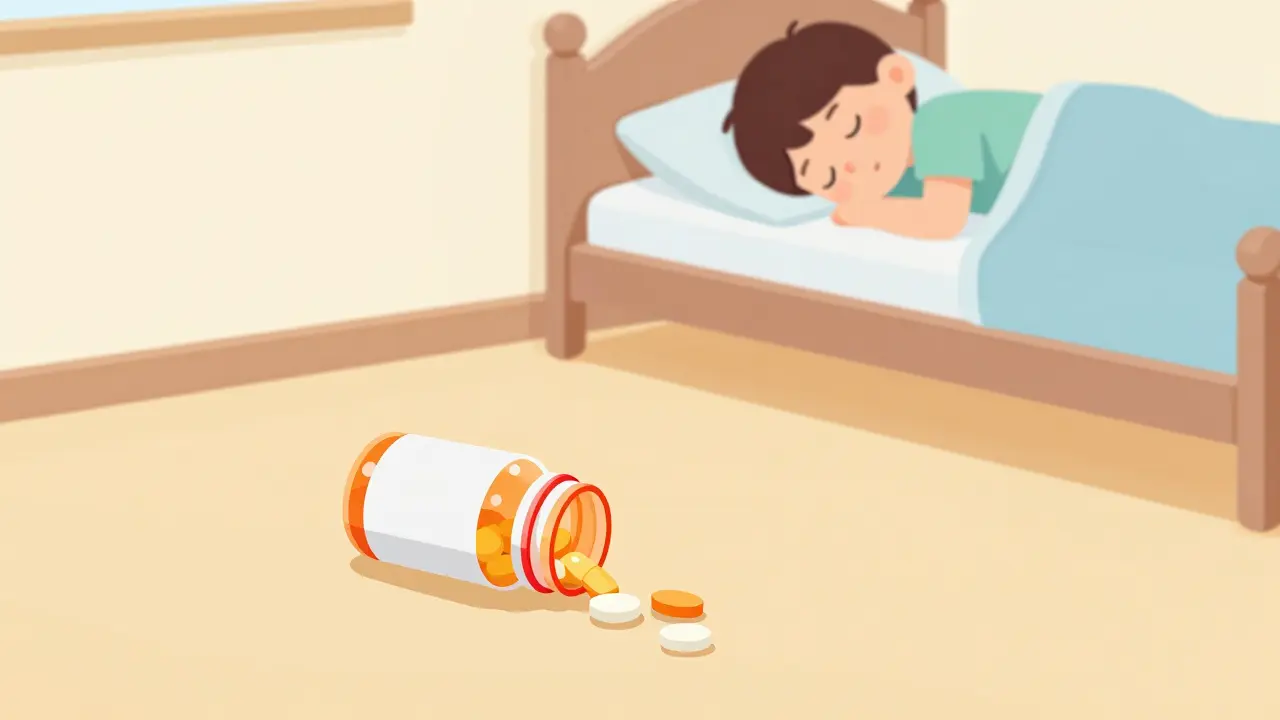
Learn the critical warning signs of pediatric medication overdose, including silent liver damage from acetaminophen and opioid markers. Know exactly when to call Poison Control vs 911.
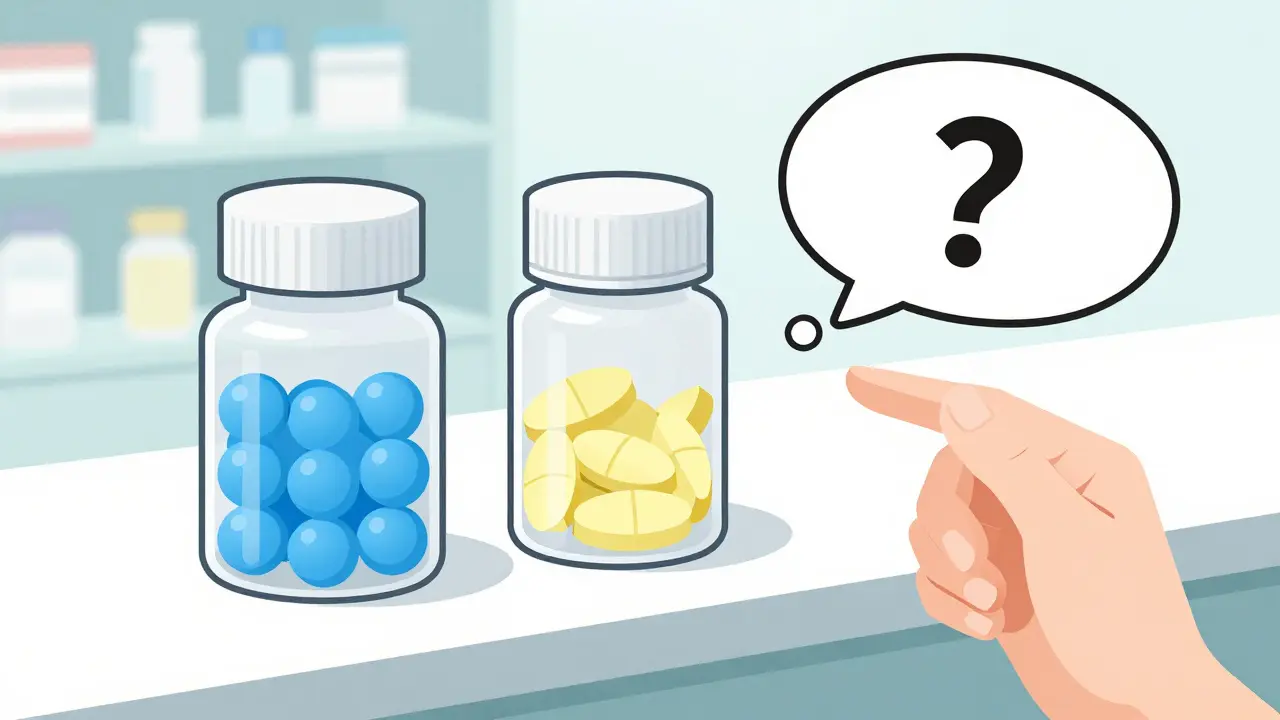
Explore how cultural beliefs and religious requirements affect the use of generic medications, and how pharmacists can improve inclusive care for diverse patients.
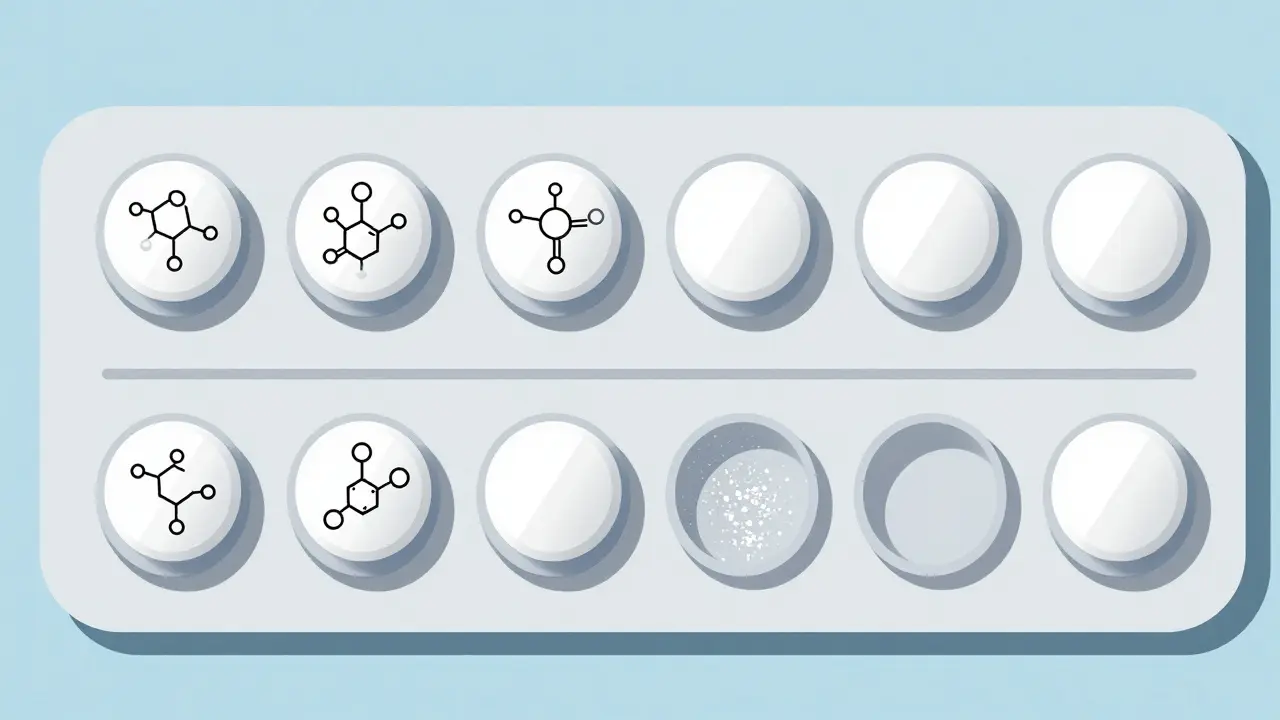
Learn how counterfeit generic drugs infiltrate the global supply chain, the hidden dangers of fake medication, and practical ways to spot and avoid unsafe pharmaceutical products.
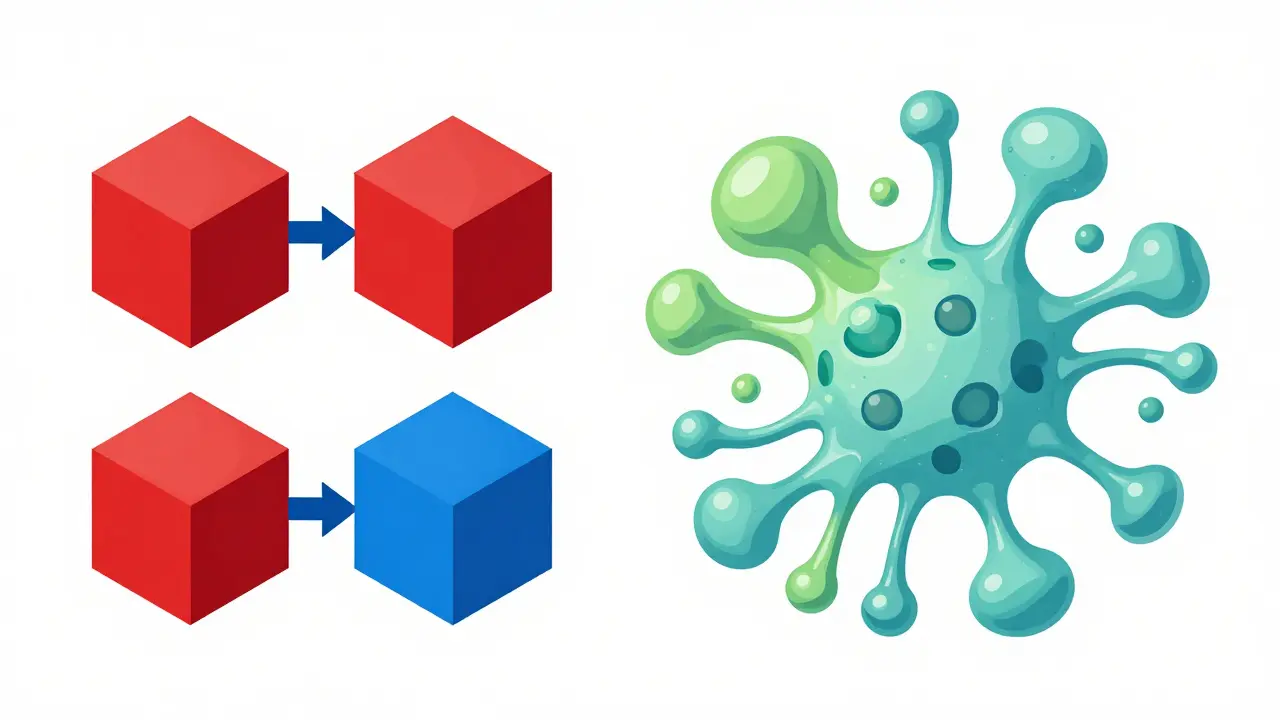
True generic vaccines do not exist due to complex biologics manufacturing. This guide explores why production barriers prevent price competition and how global supply chains affect access equity.

Learn the differences between AV fistulas, grafts, and catheters for dialysis access. Discover which option is safest, how to care for each type, and why choosing the right access can save your life.

Accidental medicine ingestion is a leading cause of pediatric emergencies. Learn the proven safety practices - locked storage, proper disposal, and travel routines - to protect children under five from poisoning.
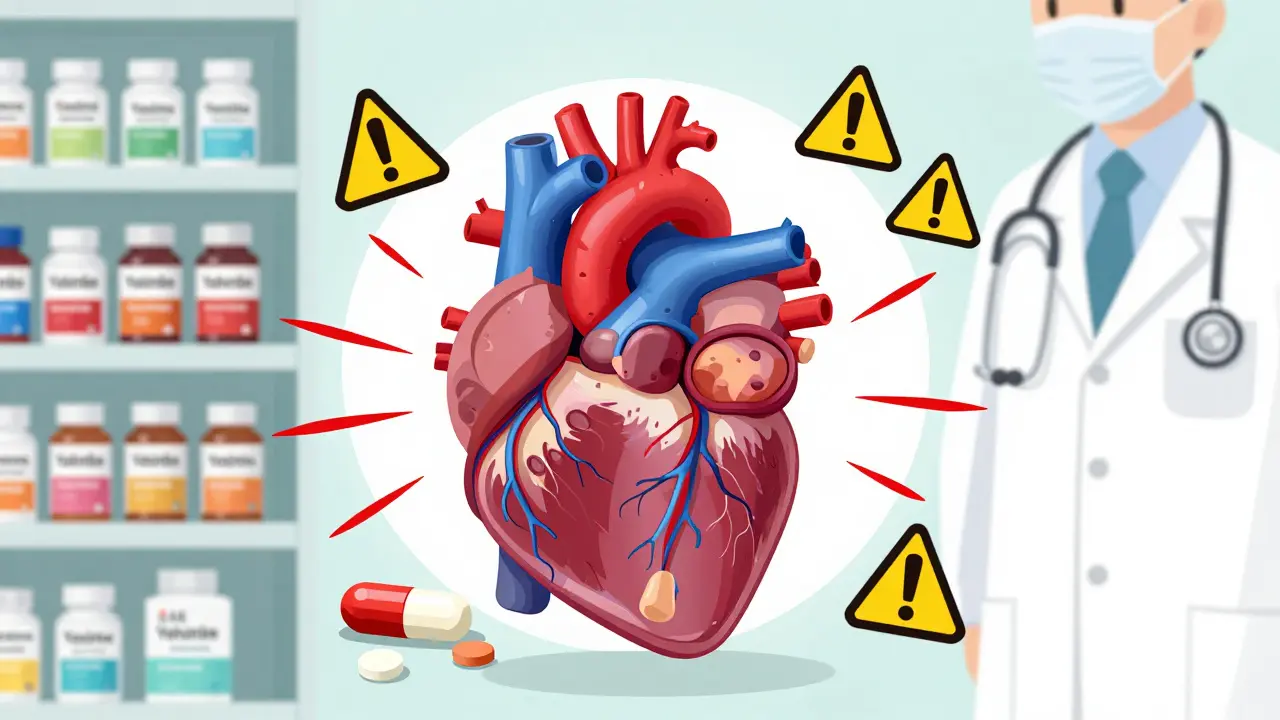
Yohimbe supplements can cause dangerous spikes in blood pressure, especially when mixed with common hypertension medications. Experts warn it's one of the riskiest herbal supplements for heart health.
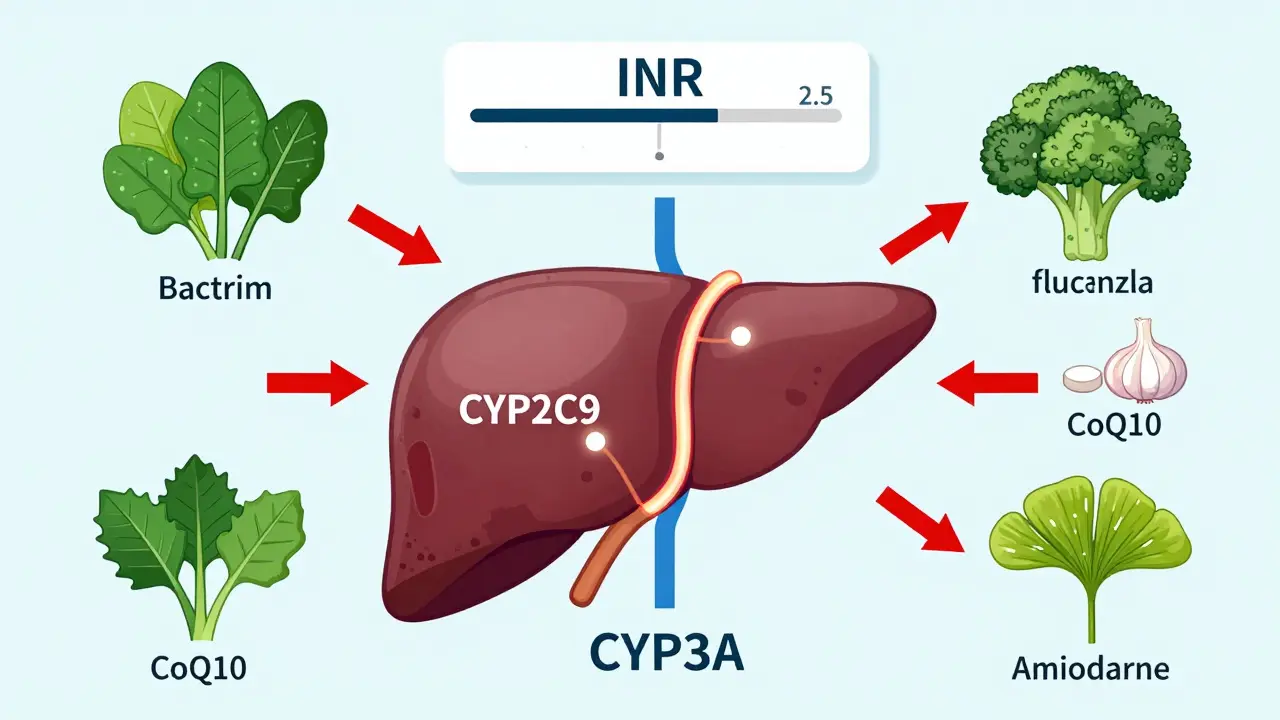
Warfarin is effective but dangerous if not managed carefully. Learn how foods, supplements, and prescription drugs can spike or drop your INR-plus what to do to stay safe.
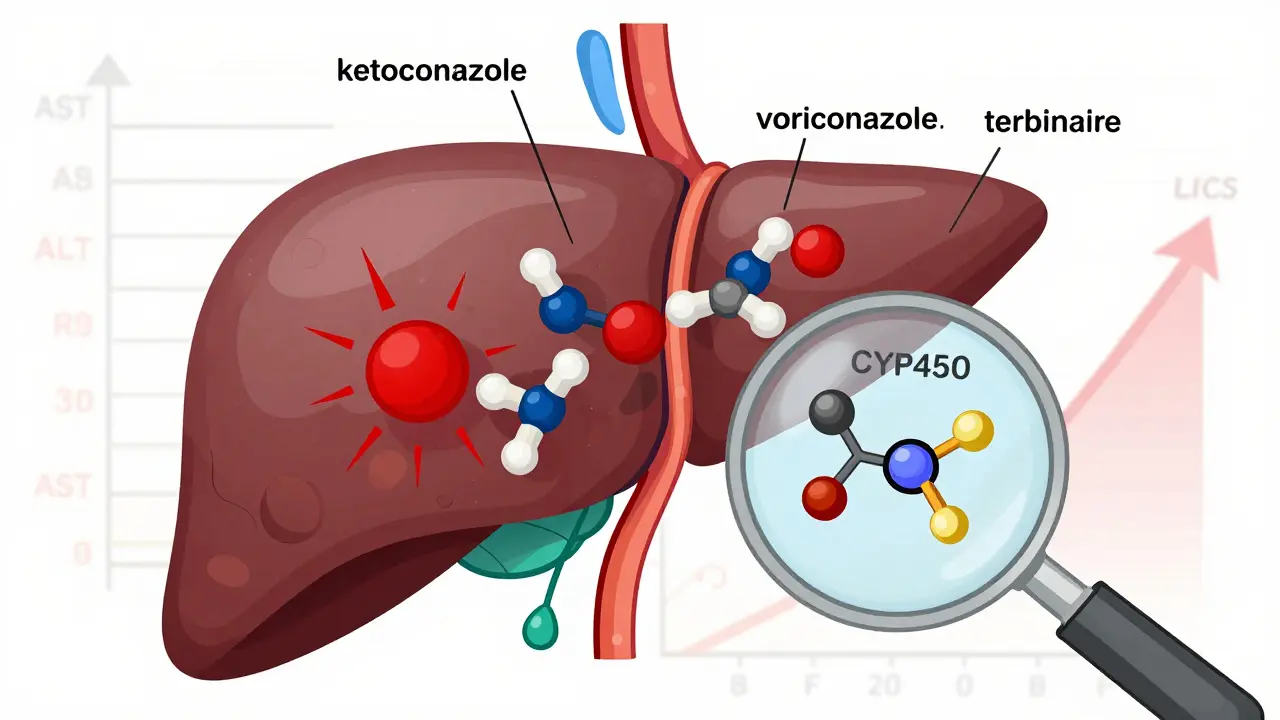
Antifungals: Liver Safety and Drug Interaction Risks
Mar, 15 2026Antifungals save lives but can cause serious liver damage. Ketoconazole, itraconazole, and voriconazole carry the highest risks, while terbinafine and echinocandins are safer-but still require monitoring. Learn how to protect your liver when using these drugs.
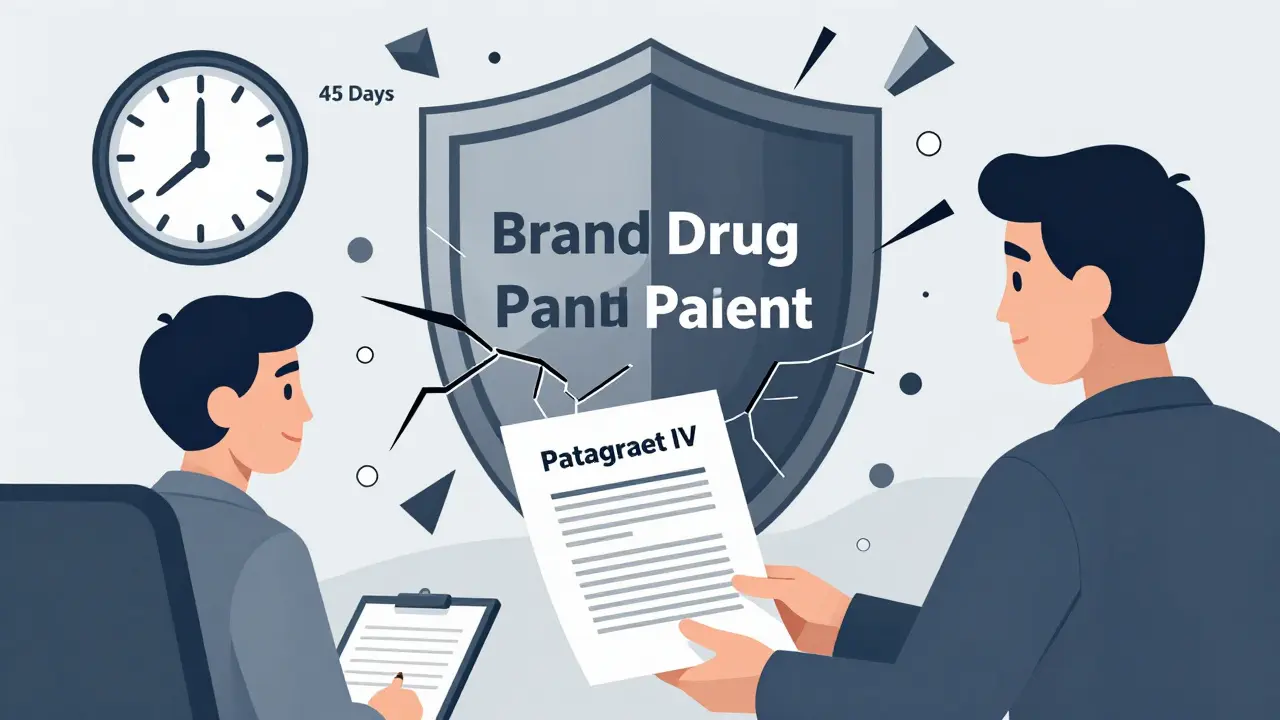
Paragraph IV certifications let generic drug makers challenge brand patents before launch, speeding up cheaper drug access. Since 1984, this system has saved consumers over $2 trillion.
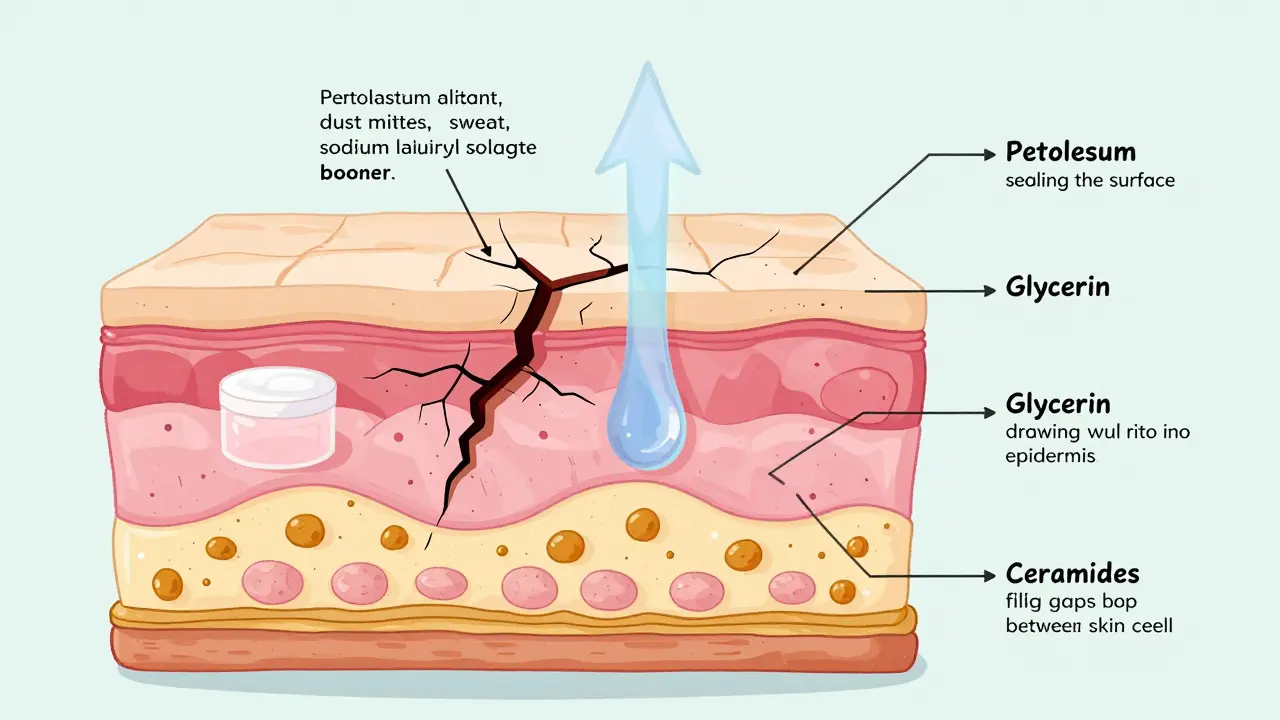
Atopic dermatitis flares are triggered by everyday factors like dry air, sweat, and harsh soaps. Emollient therapy is the cornerstone of management, repairing the skin barrier to reduce itching and prevent flare-ups. Consistent use, proper technique, and the right ingredients make all the difference.