
Why Hyperpigmentation Hits Harder in Skin of Color
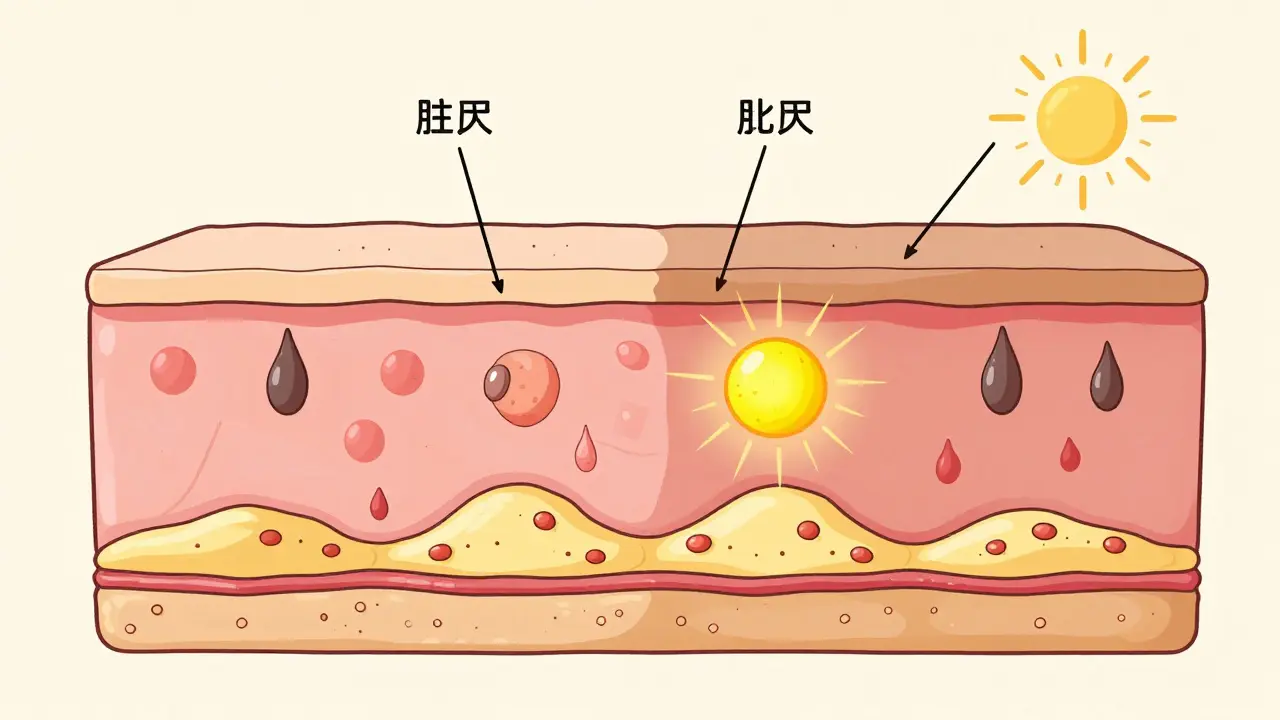
When you have darker skin, a pimple, cut, or even a scratch doesn’t just heal-it leaves behind a dark mark that can stick around for months, sometimes years. This isn’t just a cosmetic issue. For many people with skin of color, these dark spots cause real stress, affect self-esteem, and even change how they interact with the world. The reason? Higher melanin levels. While melanin protects skin from UV damage, it also makes the skin more reactive. When inflammation happens-whether from acne, eczema, or a razor burn-melanocytes go into overdrive and dump out extra pigment. That’s post-inflammatory hyperpigmentation, or PIH. It’s not rare. It’s common. And it’s often misunderstood.
Unlike lighter skin tones where redness fades quickly, darker skin turns brown or gray. These patches don’t always appear right away. Sometimes they show up weeks after the original injury. And they don’t care if you’re male or female, young or old. They just show up where your skin got irritated. Melasma, another form of hyperpigmentation, is different. It’s hormonal. It shows up as symmetrical brown or gray patches on the cheeks, forehead, or upper lip-mostly in women, especially during pregnancy or while on birth control. It’s not caused by trauma. It’s caused by hormones, sun, and genetics. And it’s stubborn.
The Sun Doesn’t Care About Your Skin Tone-But You Should
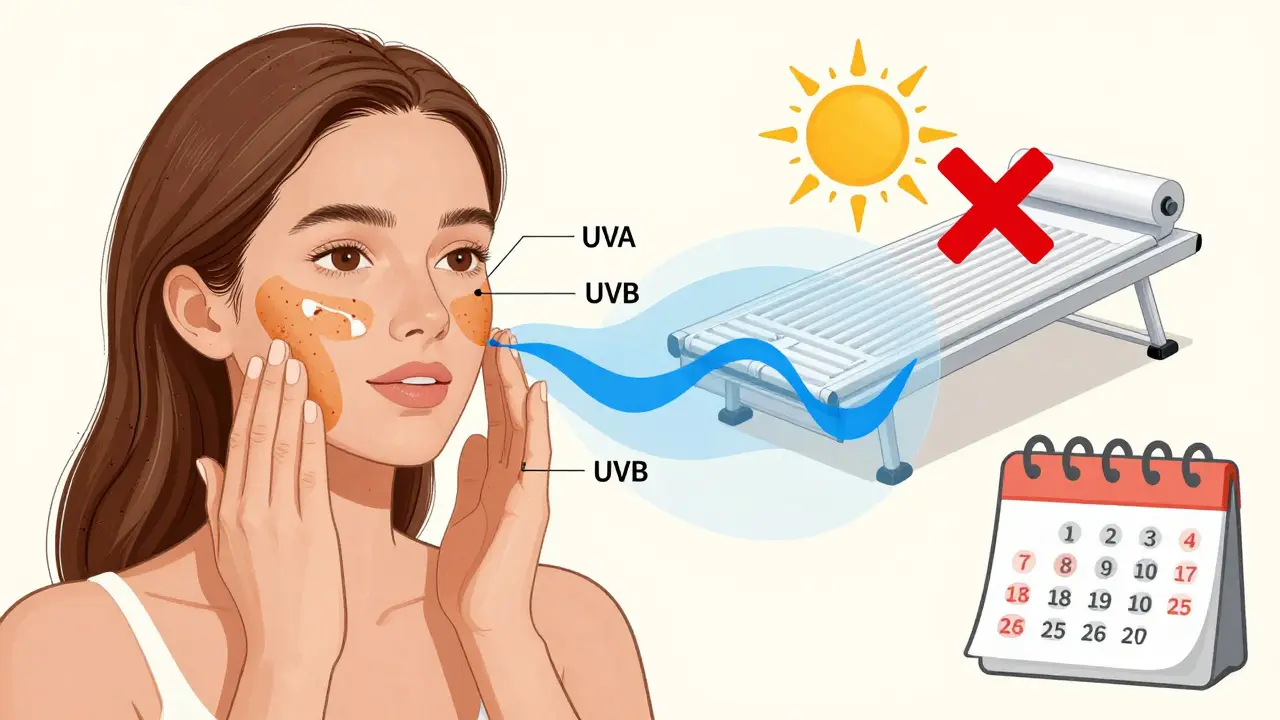
One of the biggest mistakes people make? Thinking sunscreen is only for beach days. That’s not true. Not even close. UV rays don’t need direct sunlight to trigger melanin production. Even on cloudy days, or when you’re sitting by a window, UVA rays sneak in and make dark spots darker. Blue light from phones and computers? It can too. That’s why tinted sunscreens with iron oxides are now recommended for skin of color. They block more than just UV-they shield against the full spectrum of light that fuels hyperpigmentation.
Apply sunscreen every morning. Not just your face. Your neck, chest, hands. Reapply every two hours if you’re outside. Wear wide-brimmed hats, long sleeves, sunglasses. Avoid being outdoors between 10 a.m. and 4 p.m. when the sun is strongest. Skip the tanning beds. Don’t even think about it. Sun protection isn’t optional. It’s the foundation of every treatment plan. Without it, even the best creams won’t work. And yes, that includes people who think their dark skin naturally protects them. It doesn’t. It just delays the damage.
What Actually Works-And What Doesn’t
There’s no magic cream that erases hyperpigmentation overnight. But there are proven ingredients that, when used consistently, make a real difference. First-line treatments include:
- Hydroquinone: The gold standard for lightening dark spots. Used in 2-4% concentrations, it blocks melanin production. But it’s not for long-term use. Dermatologists often cycle it with other agents to avoid side effects.
- Tretinoin: A retinoid that speeds up skin cell turnover. It fades spots and improves texture. Starts slow-can cause dryness or peeling. Use every other night at first.
- Azelaic acid: Gentle, anti-inflammatory, and safe for sensitive skin. Works well for PIH and acne. Available over-the-counter in 10% or prescription at 15-20%.
- Vitamin C: An antioxidant that brightens and protects. Best used in the morning under sunscreen.
- Kojic acid: Derived from fungi. Lightens pigment without the irritation of hydroquinone. Good for maintenance.
- Tranexamic acid: A newer player. Originally used for heavy periods, now found in topical creams and oral forms for melasma. Shows strong results with fewer side effects.
- Cysteamine cream (5%): A breakthrough for skin of color. Reduces pigmentation without bleaching or irritation. Works well where hydroquinone isn’t tolerated.
Don’t skip moisturizers. Dry skin worsens PIH. Use fragrance-free, non-comedogenic formulas. And never pick at pimples or scabs. That’s how you make the dark spot bigger.
Keloids: When Scars Refuse to Stop Growing
While hyperpigmentation leaves flat dark marks, keloids are something else entirely. They’re raised, thick, rubbery scars that grow beyond the original wound. Think of a cut from a piercing, a burn, or even an acne cyst that turns into a hard, itchy bump that keeps expanding. Keloids are more common in people with skin of color-especially those of African, Asian, or Hispanic descent. They’re not dangerous, but they’re painful, itchy, and hard to hide. And they don’t go away on their own.
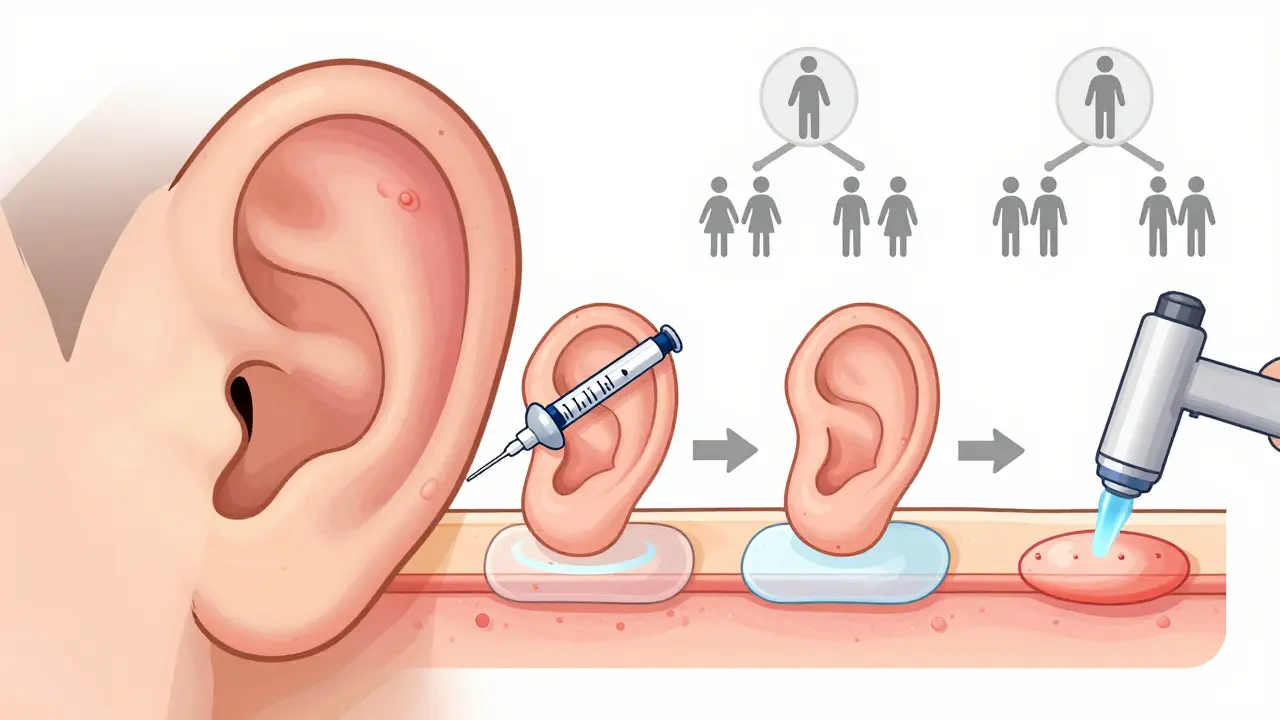
Why do they form? No one knows for sure. Genetics play a big role. If your parent had keloids, you’re more likely to get them. Trauma triggers them-even minor things like ear piercings or vaccinations. They can appear months after the injury. And once they start, they’re tough to stop.
Treatment is tricky. Over-the-counter creams don’t help. Silicone sheets can reduce itching and flatten them slightly. Corticosteroid injections are the most common first step-they shrink keloids and calm inflammation. Laser therapy can reduce redness and smooth texture. Cryotherapy freezes them, but risks lighter patches. Surgery? Risky. Cutting out a keloid without follow-up treatment often makes it come back bigger. That’s why experts combine treatments: injections first, then laser or pressure therapy, then silicone sheets. Patience is key. It takes months. Sometimes years.
When to See a Dermatologist
If you’re dealing with persistent dark spots, or if a scar keeps growing after a wound heals, don’t wait. See a dermatologist who understands skin of color. Not all dermatologists do. Ask if they’ve treated PIH or keloids in patients with darker skin before. Look for someone who uses evidence-based, tailored approaches-not one-size-fits-all treatments designed for lighter skin.
Also, if you notice sudden dark patches spreading, or if your skin changes color without injury, rule out other conditions like lichen planus pigmentosus or Addison’s disease. Don’t assume it’s just PIH. Get it checked.
Regular follow-ups matter. Hyperpigmentation and keloids are chronic. They can flare with stress, hormones, or sun exposure. A good dermatologist will help you build a long-term plan-not just a quick fix.
What to Avoid
There are a lot of products out there promising fast results. Many are dangerous. Avoid:
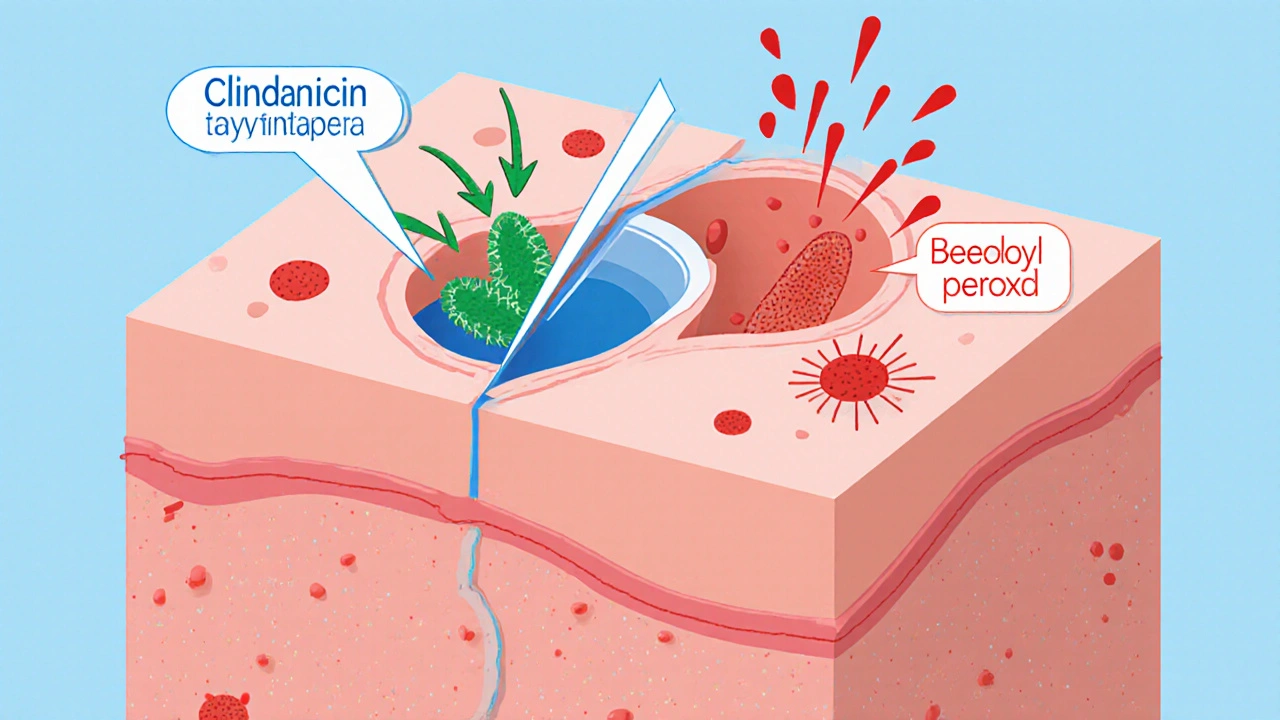
- Hydroquinone products sold online without a prescription-some contain mercury or steroids.
- Home remedies like lemon juice or baking soda. They’re acidic and can burn darker skin, making hyperpigmentation worse.
- Aggressive chemical peels or laser treatments from non-specialists. Without proper settings and experience, they can cause permanent light spots or scarring.
- Skipping sunscreen because you’re “already dark.” That’s a myth with real consequences.
And don’t compare your skin to someone else’s. What works for your friend might irritate yours. Skin of color isn’t one thing. It’s a spectrum. Your treatment should be too.
Real Progress Takes Time
Improvement doesn’t happen in weeks. It takes months. Maybe six to twelve. You’ll notice spots fading gradually. Colors soften. Texture improves. But you have to stick with it. One missed day of sunscreen. One picked pimple. One unguarded afternoon in the sun. That’s all it takes to undo progress.
Be patient. Be consistent. And be kind to your skin. Healing isn’t linear. There will be setbacks. That doesn’t mean you’re failing. It means you’re human. And your skin is responding to your care-even if you can’t see it yet.
Is hyperpigmentation permanent in skin of color?
No, hyperpigmentation is not permanent, but it can last for months or years if untreated. With consistent sun protection and the right topical treatments-like hydroquinone, azelaic acid, or tranexamic acid-most dark spots fade significantly. The key is addressing the root cause, like acne or hormonal changes, and sticking with the regimen. Patience is essential; results take time.
Can keloids be removed completely?
Keloids rarely disappear completely on their own. While treatments like corticosteroid injections, laser therapy, and silicone sheets can flatten and soften them, there’s a high chance of recurrence, especially after surgery. The most effective approach combines multiple treatments over time. For example, injections followed by pressure therapy and silicone sheeting reduce the chance of regrowth. Early intervention gives the best outcome.
Why do dark spots get darker after sun exposure?
Melanocytes in skin of color are more active and sensitive to UV and visible light. When exposed to sunlight, they produce even more melanin as a defense. This overproduction darkens existing hyperpigmentation and can trigger new spots. That’s why daily sunscreen with iron oxides-blocking UVA, UVB, and blue light-is non-negotiable for anyone with darker skin.
Are over-the-counter brightening creams safe for skin of color?
Some are, but many aren’t. Products with hydroquinone above 2% require a prescription in many countries. Others contain harsh acids or unregulated ingredients like mercury or steroids that can cause permanent damage. Look for ingredients like niacinamide, vitamin C, azelaic acid, or kojic acid. Patch test first. And if you’re unsure, consult a dermatologist who specializes in skin of color.
Can makeup help hide hyperpigmentation?
Yes, tinted moisturizers and foundations with iron oxides can help blend dark spots while offering added sun protection. Look for shades that match your undertone-cool, neutral, or warm. Mineral-based formulas are less likely to clog pores. But makeup doesn’t treat the cause. It’s a temporary cover, not a solution. Always remove it before bed and follow up with your nightly skincare routine.
Do keloids run in families?
Yes. Genetics play a major role. If one or both parents had keloids, your risk increases significantly. People of African, Asian, and Hispanic descent are more likely to develop them. If you know you’re prone, avoid unnecessary skin trauma-like ear piercings, tattoos, or aggressive acne picking. If you must get a piercing, ask your dermatologist about preventive treatments like silicone sheets or early steroid injections.





14 Comments