Getting sick feels terrible enough without the added stress of managing diabetes. But when you have a fever, vomiting, or even just a bad cold, your body reacts in ways that can throw your blood sugar control completely out of whack. The truth is, illness triggers a release of stress hormones like cortisol and adrenaline. These hormones make your body resistant to insulin, which can cause your blood glucose levels to spike by 30% to 50%, even if you aren't eating anything. This isn't just an inconvenience; it’s a serious health risk. Without proper management, this imbalance can lead to diabetic ketoacidosis (DKA), a life-threatening condition that accounts for roughly 27% of diabetes-related hospitalizations.
You might think that skipping meals means you should skip insulin, but that is one of the most dangerous myths out there. In fact, up to 30% of DKA cases happen because people incorrectly reduce or stop their insulin when they are ill. Your body still needs insulin to function, especially when it is fighting off infection. That is why having a clear set of sick day rules is not optional-it is essential for staying safe. These guidelines help you navigate the tricky balance between keeping your blood sugar stable, staying hydrated, and preventing dangerous complications.
The Physiology of Illness and Blood Sugar
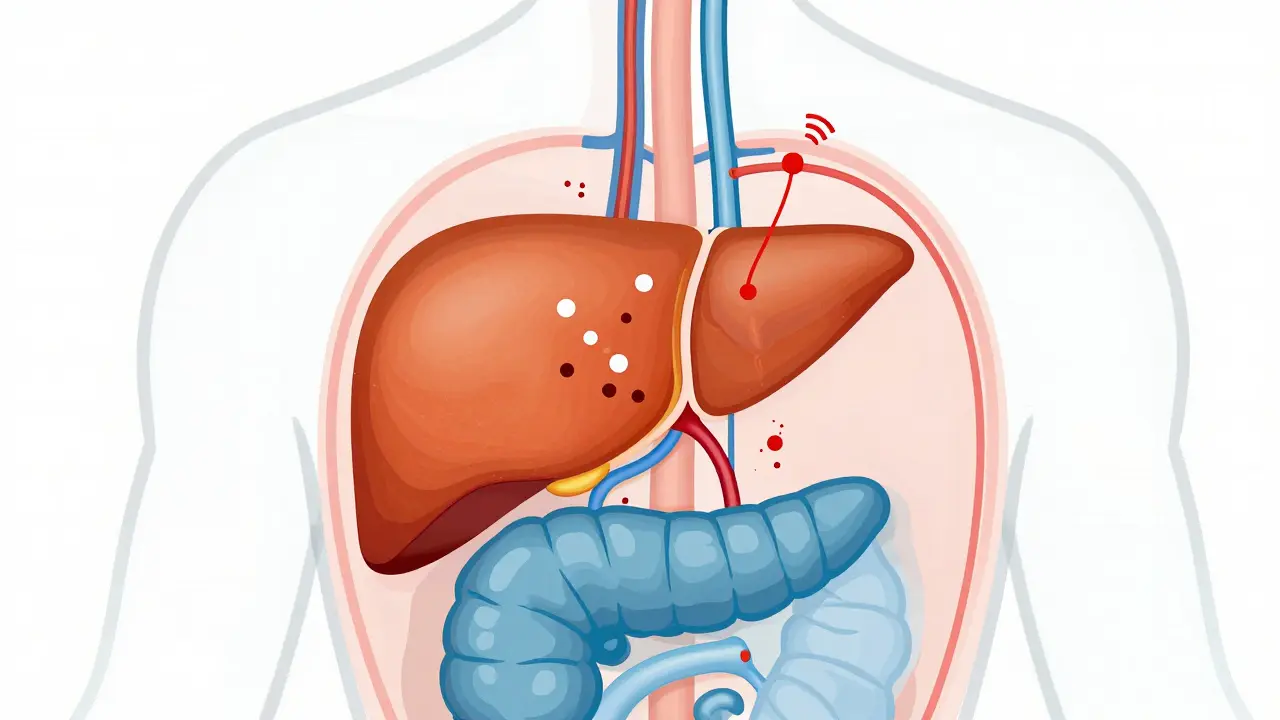
To understand why you need different rules when you are sick, you have to look at what happens inside your body. When you catch a virus or bacteria, your immune system goes into overdrive. It releases counter-regulatory hormones. Think of these hormones as emergency signals that tell your liver to dump stored glucose into your bloodstream so your body has energy to fight the infection. For someone without diabetes, their pancreas simply produces more insulin to handle this extra sugar. For you, however, your body either doesn't produce enough insulin or can't use it effectively.
This leads to hyperglycemia, or high blood sugar. If your blood sugar stays too high for too long, your body starts breaking down fat for energy instead of glucose. This process produces acidic chemicals called ketones. When ketones build up in your blood faster than your kidneys can remove them, your blood becomes acidic. This is diabetic ketoacidosis (DKA). It can develop quickly, sometimes within hours, and requires immediate medical attention. Understanding this chain reaction helps you see why monitoring is non-negotiable during illness.
Never Stop Your Basal Insulin
The single most important rule is this: never stop taking your long-acting, or basal, insulin. Whether you take injections like Lantus, Levemir, or Basaglar, or you use an insulin pump, your body still needs that background insulin to keep your metabolism running. Skipping it because you feel nauseous or aren't hungry is a recipe for disaster. Even if you haven't eaten in 24 hours, your basal insulin requirement remains.
In many cases, you may actually need *more* insulin when you are sick. Stress hormones increase insulin resistance. If you are using an insulin pump, clinical guidelines often suggest increasing your temporary basal rate by 20% for 12 hours if you have moderate or large ketones. If you are on multiple daily injections (MDI), you might need correction doses more frequently. However, do not make these changes blindly. Always follow the specific protocol your healthcare provider gave you. If you don't have a plan, call your doctor or the ADA helpline immediately. Remember, insulin keeps you alive; food just manages your comfort.
Hydration Strategies That Actually Work
High blood sugar acts like a sponge, pulling fluid from your cells and making you urinate frequently. This leads to rapid dehydration, which concentrates your blood sugar further and speeds up ketone production. Staying hydrated is critical, but it gets complicated when you are vomiting or have no appetite. You need fluids that provide hydration without spiking your blood sugar uncontrollably, unless your levels are low.
A good rule of thumb for adults is to drink 6 to 8 ounces of fluid every hour. For children, a common guideline is "age in ounces" per hour (e.g., a 10-year-old drinks 10 ounces). The type of fluid matters based on your current blood glucose reading:
- Blood glucose above 180 mg/dL: Drink sugar-free fluids like water, unsweetened tea, or broth. Avoid juice or soda.
- Blood glucose between 100 and 180 mg/dL: Alternate between sugar-free fluids and fluids with carbohydrates. A simple mix is half water and half diluted juice or sports drink like Gatorade. Aim for about 15 grams of carbs per serving.
- Blood glucose below 100 mg/dL: Drink sugary fluids to prevent hypoglycemia. Juice, regular soda, or oral rehydration solutions work well here.
If you are vomiting, try taking small sips-just a teaspoon every few minutes-rather than gulping down a full glass. Ice chips or popsicles can also help maintain hydration without triggering nausea. If you cannot keep any liquids down for more than four hours, seek emergency care. Dehydration alone can be dangerous, and combined with high blood sugar, it becomes a medical emergency.
Ketone Monitoring: Blood vs. Urine
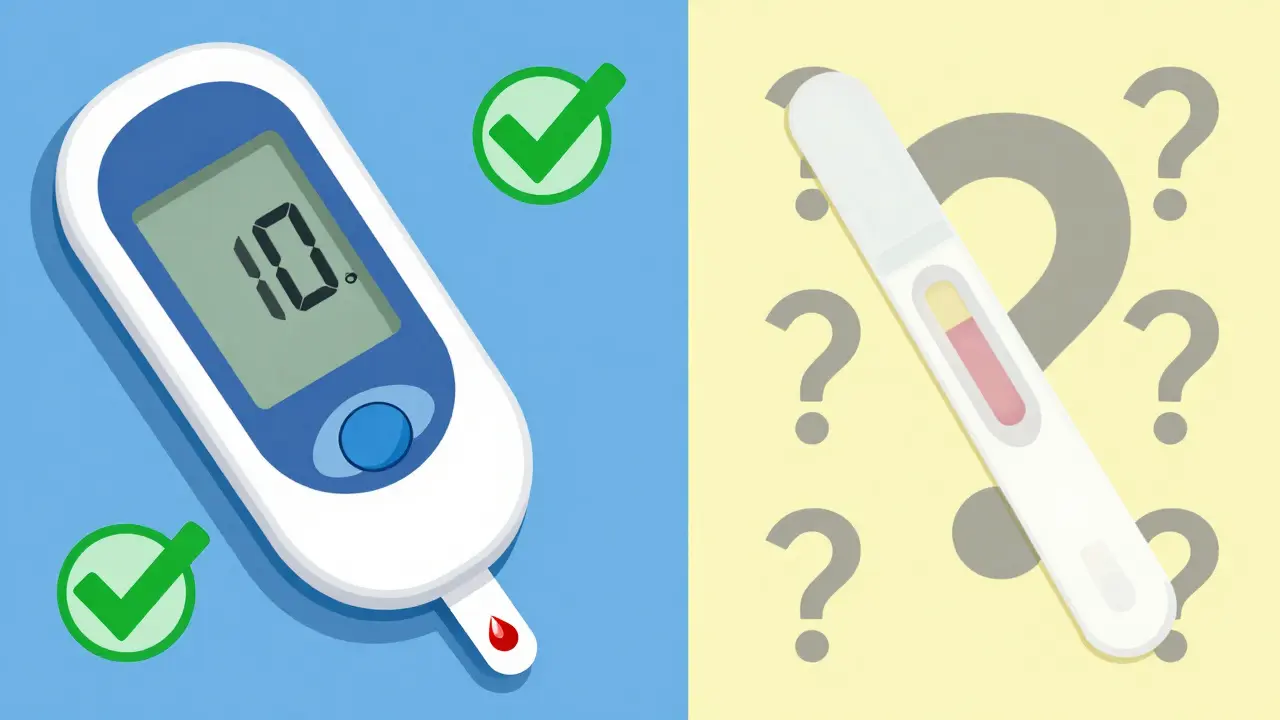
Checking for ketones is the early warning system for DKA. You should check for ketones whenever your blood glucose is consistently above 240 mg/dL, or if you are feeling unwell with symptoms like nausea, vomiting, abdominal pain, or fruity-smelling breath. While urine strips are cheaper, blood ketone meters are far more accurate and reliable. Urine strips measure ketones that were produced hours ago, giving you outdated information. Blood ketone tests show what is happening right now.
Here is how to interpret your results:
- Negative or Trace (<0.6 mmol/L): No action needed regarding ketones. Continue normal sick day care.
- Small (0.6 - 1.0 mmol/L): Monitor closely. Drink more water and recheck in 1-2 hours. Consider a small correction dose of insulin if advised by your plan.
- Moderate (1.1 - 1.5 mmol/L): Take action. Increase hydration, take a correction dose of insulin, and recheck in 1 hour. If you are on a pump, change your infusion site to ensure insulin is being absorbed.
- Large (>1.5 mmol/L): This is dangerous. Contact your healthcare provider immediately or go to the emergency room. Do not wait for symptoms to worsen.
If you only have urine strips, "Large" ketones require immediate medical attention. Keep in mind that expired test strips can give false negatives. Check the expiration date on your box before relying on them.
| Feature | Blood Ketone Meter | Urine Strip |
|---|---|---|
| Accuracy | High (real-time) | Low (delayed) |
| Cost | Higher (strips are expensive) | Lower |
| Best For | Critical decision making | Screening only |
| Threshold Alert | >1.5 mmol/L | Large |
Type 1 vs. Type 2: Different Approaches
Sick day rules apply to both Type 1 and Type 2 diabetes, but the nuances differ. For Type 1 diabetes, insulin is absolutely essential for survival. You cannot reduce your basal dose below 80% of your usual amount, even if you are fasting. Ketone monitoring is mandatory during any illness. For Type 2 diabetes, the approach depends on your medication. If you take insulin, you must treat it similarly to Type 1: never skip doses, and monitor ketones if your blood sugar exceeds 240 mg/dL.
If you manage Type 2 diabetes with oral medications like metformin or SGLT2 inhibitors, the risks are different. SGLT2 inhibitors (like Jardiance or Farxiga) carry a risk of euglycemic DKA, where ketones rise even if blood sugar is normal. During illness, doctors often recommend holding these medications temporarily. Metformin may need to be paused if you are dehydrated or unable to eat, due to the risk of lactic acidosis. Always consult your doctor before stopping any prescribed medication. Never assume that because you don't take insulin, you are safe from ketoacidosis.
Building Your Sick Day Kit
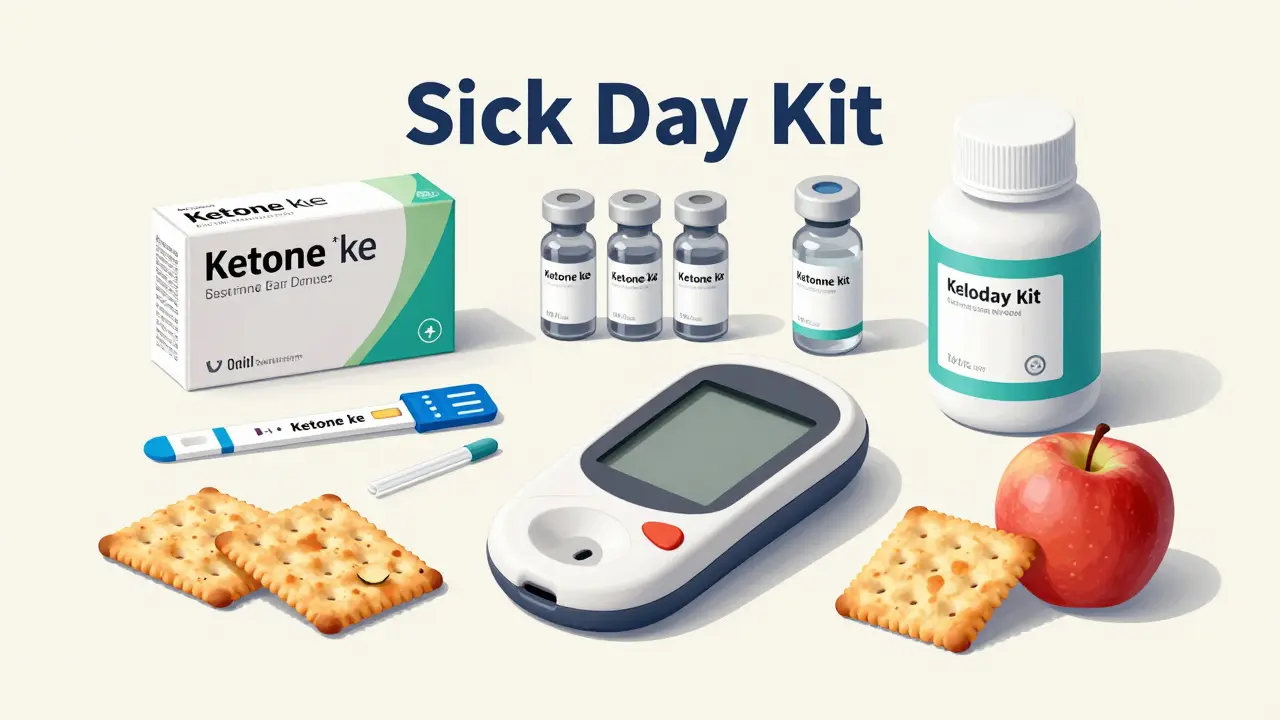
Preparation prevents panic. Assemble a "sick day kit" and keep it in an easy-to-reach place. This kit should include:
- Ketone test strips: Both blood and urine types, ensuring they are not expired.
- Glucometer and supplies: Extra batteries and lancets.
- Medications: At least a 7-day supply of all your diabetes medications, including insulin.
- Hydration aids: Oral rehydration salts, electrolyte powders, or pre-mixed sports drinks.
- Easy-to-eat carbs: Crackers, dry cereal, applesauce, or gel tubes for quick energy if you are nauseous.
- Contact list: Phone numbers for your endocrinologist, primary care provider, and local emergency services.
Review this kit every six months. Replace expired strips and top up on medications. Knowing exactly where everything is when you are feeling weak saves valuable time and reduces stress.
When to Seek Emergency Help
Knowing when to stay home and when to go to the hospital is part of the skill set. Go to the emergency room or call emergency services if:
- Your blood glucose remains above 300 mg/dL despite insulin corrections.
- Your blood ketones are greater than 1.5 mmol/L.
- You are vomiting and cannot keep fluids down for more than 4 hours.
- You experience confusion, extreme drowsiness, or difficulty breathing.
- You have severe abdominal pain.
Do not drive yourself to the hospital if you are confused or extremely dizzy. Call for an ambulance. DKA can progress rapidly, and professional medical intervention is often required to flush out ketones with IV fluids and correct electrolyte imbalances.
Managing Technology During Illness
If you use continuous glucose monitors (CGM) like Dexcom or Libre, or hybrid closed-loop systems like Omnipod or Medtronic pumps, illness adds another layer of complexity. CGMs can lag behind actual blood sugar changes, especially when levels are rising quickly. During sickness, rely on fingerstick pricks for accuracy, particularly when making insulin decisions. Closed-loop systems may struggle to adapt to the sudden insulin resistance caused by illness. You may need to suspend automation and manually adjust basal rates or take larger correction boluses. Always override automated features if your readings don't match how you feel. Your intuition and manual checks are your safety net.
Can I skip my insulin shot if I'm vomiting?
No, you should not skip your long-acting (basal) insulin even if you are vomiting. Your body still needs insulin to prevent diabetic ketoacidosis (DKA). If you cannot keep food down, focus on staying hydrated with sugar-free fluids and monitor your blood sugar and ketones closely. Contact your doctor for advice on adjusting rapid-acting insulin doses.
How often should I check my blood sugar when sick?
You should check your blood glucose every 2 to 3 hours while you are awake. If you are sleeping, set an alarm to check once during the night. More frequent monitoring helps you catch rapid changes and adjust your insulin or fluids before complications arise.
What should I eat if I have no appetite?
If you can't eat solid food, try liquid calories. Broth, diluted juice, apple sauce, or gelatin cubes are gentle on the stomach. Aim for small amounts frequently rather than large meals. If your blood sugar is high, stick to sugar-free options. If it's low, choose sugary fluids to raise it safely.
Are urine ketone strips accurate enough?
Urine strips are less accurate than blood ketone meters because they measure past ketone excretion, not current levels. They can miss early signs of DKA. If possible, invest in a blood ketone meter for precise, real-time data during illness.
When should I call my doctor during a sick day?
Call your doctor if your blood sugar stays above 240 mg/dL despite treatment, if you have moderate or large ketones, if you are vomiting for more than 4 hours, or if you feel confused or unusually tired. Don't wait until symptoms become severe.