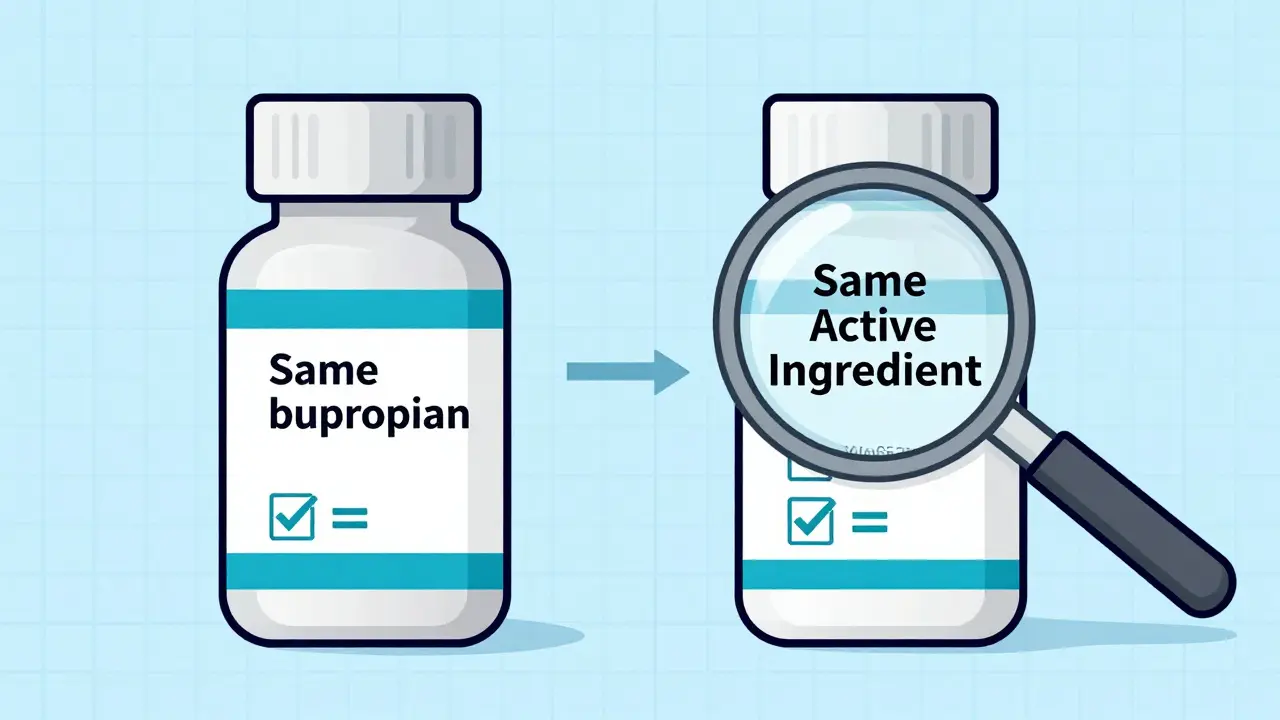
When you think about medicine, you probably picture a pill. You might even grab a bottle of generic aspirin off the shelf and assume it works exactly the same way as the brand name version because the active ingredient is identical. But vaccines are different. In fact, they are completely different animals in the medical world. There is no such thing as a 'generic vaccine' in the same legal or practical sense as a generic drug. Understanding why this distinction exists is crucial when we talk about saving lives globally.
If you look at the data, you see a stark contrast. Generic Drugs account for about 90% of prescriptions filled in the United States, yet they represent only 20% of pharmaceutical spending. Small-Molecule Pharmaceuticals can be copied relatively easily once patents expire. A lab can synthesize the molecule, show bioequivalence through standard tests, and get approved via an Abbreviated New Drug Application a regulatory pathway established by the U.S. FDA since 1984 allowing simplified approval for copies of previously approved drugs. For vaccines, that shortcut doesn't exist. You cannot copy-paste biology.
The Science Barrier: Biologics vs. Chemistry
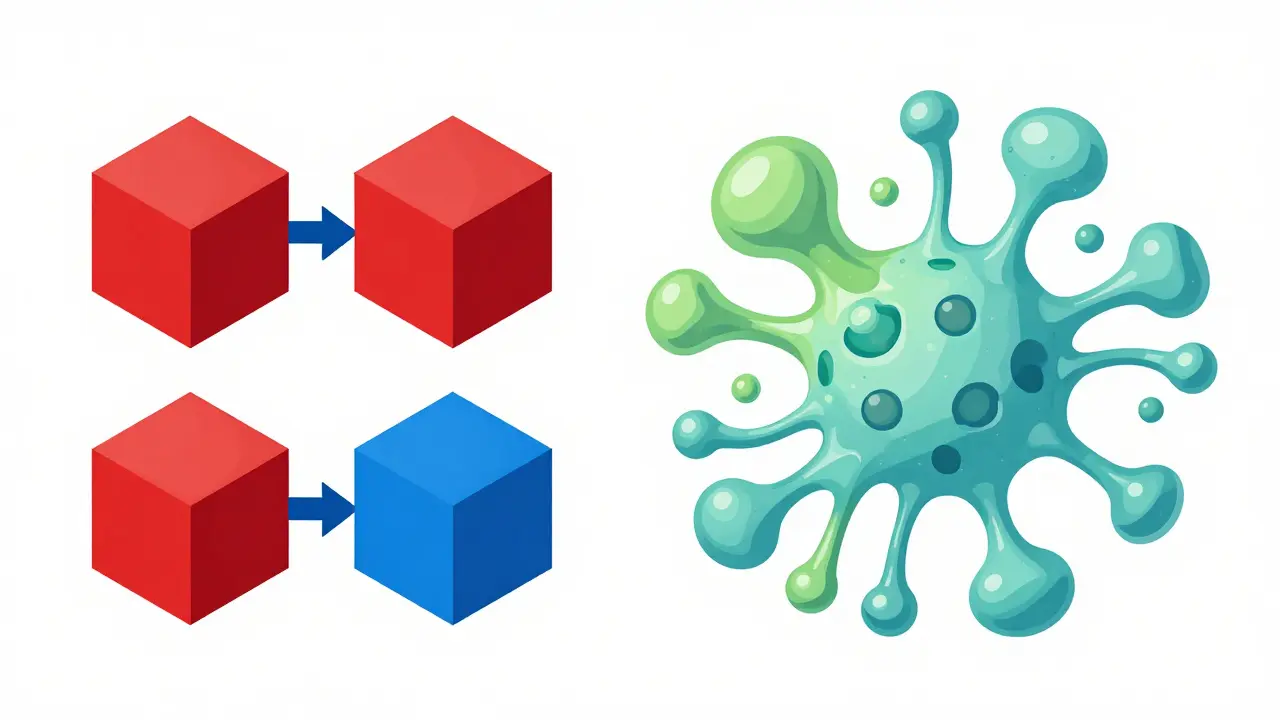
To understand the problem, we have to look at what vaccines actually are. Unlike chemical compounds made from simple atoms, vaccines are biologics. They are grown living things or derived from living cells. Think of it like baking bread versus building a Lego set. A Lego set is precise; every piece fits perfectly. If you make another one, it's identical. Bread is different. Even if you follow the exact recipe, slight changes in temperature, yeast batch, or flour humidity change the final product.
This biological complexity means there is no way to prove two vaccines are chemically identical using current standards. That is why the regulatory bodies require a full Biological License Application a complete submission required by regulators for new biologic products demonstrating safety and efficacy through extensive clinical trials. instead of the abbreviated pathway used for pills. Every single time a company wants to make a vaccine, even for a known disease, they essentially have to start from scratch in terms of regulatory proof. The Bill & Melinda Gates Foundation a global health organization explicitly stating that there is no generics vaccine market comparable to drugs due to capital requirements. has noted that this intensive requirement prevents a traditional generic market from forming naturally.
| Feature | Traditional Generic Drugs | Vaccines (Biologics) |
|---|---|---|
| Approval Pathway | ANDA (Abbreviated) | BLA (Full Biological License) |
| Production Complexity | Synthetic Chemistry | Cell Culture/Living Systems |
| Price Reduction | 80-90% after competitors enter | Minimal, often takes-it-or-leaves-it pricing |
| Market Share | High volume, low margin | Concentrated among top 5 companies (approx 70%) |
Because the process is so rigorous, the number of companies making vaccines stays low. Historically, five multinational giants-GSK, Merck, Sanofi, Pfizer, and Johnson & Johnson-controlled about 70% of a $38 billion market back in 2020. When you compare that to antibiotics or painkillers, where dozens of factories compete, the monopoly effect is huge.
The Financial Wall: Building Capacity
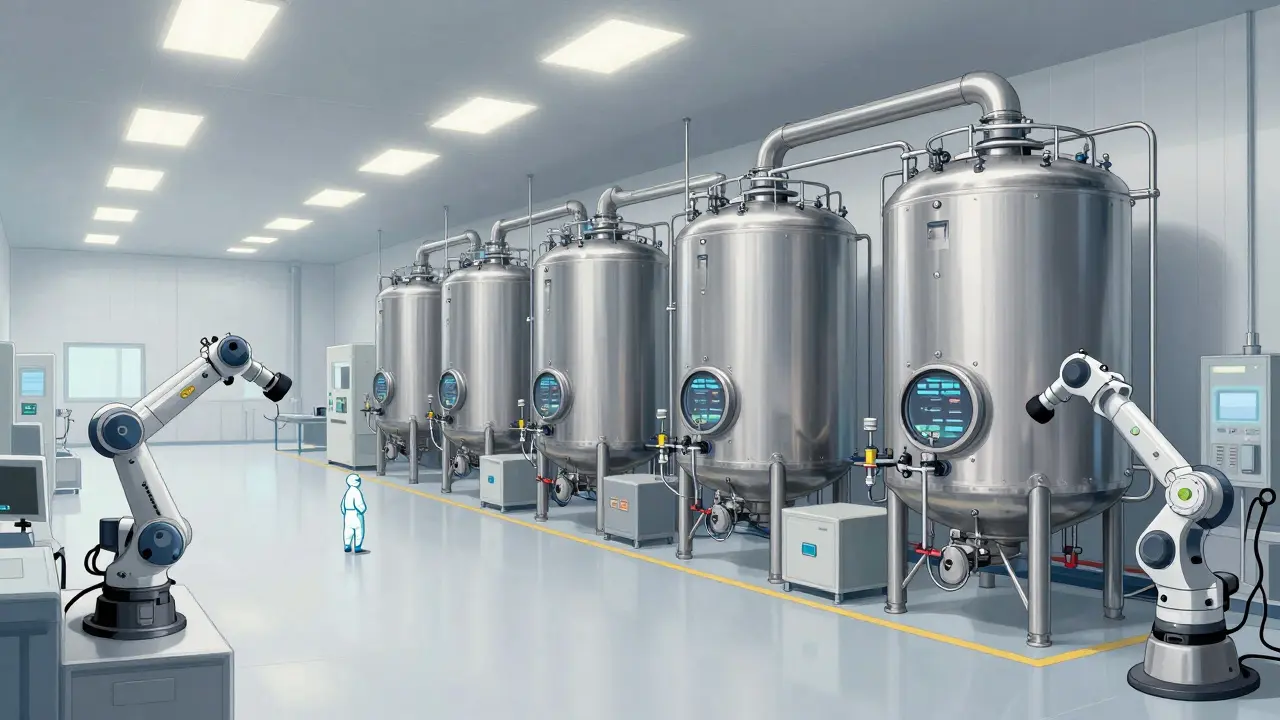
You might ask, "Why can't countries just build their own plants?" It sounds logical. If everyone needs flu shots, surely a country should produce them locally. The issue isn't just interest; it's the sheer scale of investment required. Setting up a facility capable of producing modern vaccines costs between $200 million and $500 million per manufacturing line. To put that in perspective, that is more than the GDP of many smaller nations.
And building it doesn't happen overnight. The timeline usually runs 5 to 7 years. During that waiting period, your population isn't getting immunized. This financial barrier is why most production happens in wealthy nations or specific export hubs. Take India, for example. India supplies roughly 60% of global vaccine production by volume. Their Serum Institute of India the world's largest vaccine manufacturer by volume operating 11 facilities with capacity of 1.5 billion doses annually. alone makes enough doses to cover billions of people. Yet, despite this massive output, margins remain thin. Producing the AstraZeneca COVID-19 vaccine cost them $3 to $4 per dose, while Western manufacturers charged $15 to $20. However, the overhead of running those high-security labs eats up almost all the profit.
Even with capacity, supply chains are fragile. A modern mRNA vaccine requires specialized raw materials like lipid nanoparticles. Globally, only 5 to 7 suppliers provide these critical ingredients. If one factory shuts down or one supplier faces customs issues, production halts everywhere else. We saw this play out during the second wave of the SARS-CoV-2 pandemic when export restrictions threatened to cut global production by half.
Access Inequity: The Global Split
The lack of a competitive generic market directly impacts who gets vaccinated. Ideally, prices drop when more people make the same product. With vaccines, prices stay sticky. Organizations like Gavi, the Vaccine Alliance an alliance that works to increase vaccination access in low-income countries through differential pricing models. negotiate lower prices for poor nations, but the base price doesn't crash like it does for generic medicines. During the initial phase of the COVID response, high-income countries secured 86% of the first doses available, even though they only represented 16% of the world's population.
Africa highlights the irony of this situation. The continent imports 99% of its vaccines despite being part of the global health community. African health ministers noted that while Asia developed its generics industry starting in the 1980s, Africa is still at the early stage. The Africa CDC organization leading continental coordination for public health emergencies. Director, Dr. John Nkengasong, pointed out this lag clearly. Even with initiatives like COVAX attempting to distribute fairly, logistics failed. In April 2021, 83% of doses sent to Africa went to just 10 countries, leaving other nations with nothing.
Technology Transfer: A Proposed Solution?
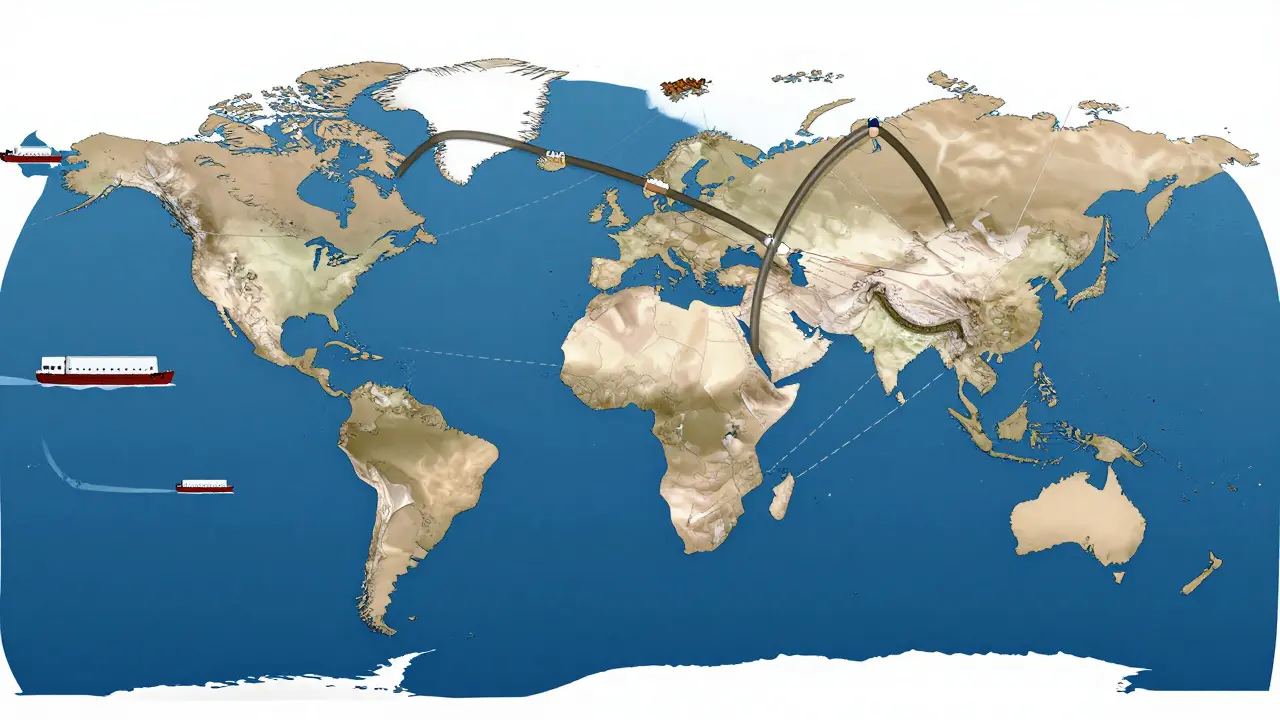
If you can't compete on generics, the next best option is sharing secrets. Technology transfer involves teaching one manufacturer how to build a vaccine to the standards of another. The World Health Organization global agency coordinating international public health efforts including vaccine standardization. set up an mRNA vaccine technology transfer hub in South Africa to try to jumpstart local production. It was a bold move. BioNTech, the German company behind a major COVID shot, agreed to help. However, progress was slow. The hub took 18 months just to figure out how to source specialized equipment and materials before making a single batch.
By late 2023, the hub began producing, aiming for 100 million doses a year. While that sounds impressive, it represents less than 1% of global needs. Scaling up to meet real demand would take decades and billions more. The African Union regional intergovernmental union aiming to increase regional vaccine production capacity. estimates it would need $4 billion and a decade to reach 60% self-sufficiency. This shows that simply having a plan isn't enough without consistent funding and political will.
In 2025, the U.S. Food and Drug Administration launched a pilot program to prioritize domestic generic drug manufacturing inspections. While this focuses on pills, it signals a growing recognition that relying too much on foreign supply lines creates risks. Dr. George Tidmarsh, an FDA director, warned that overreliance on foreign testing creates vulnerabilities for national security. Similar pressure could eventually force vaccine regulations to loosen, but for now, the barrier remains high.
Do generic vaccines exist for diseases like polio or measles?
No, not legally. Multiple companies may manufacture vaccines for the same disease, such as polio or measles, but they must each go through full testing approval rather than a generic copy process. This keeps prices stable but limits competition.
Why does India produce so many vaccines if it's hard to make them?
India has long-standing infrastructure and legacy relationships with international health organizations. Companies like Serum Institute of India operate at a massive scale with thin margins, serving as the primary supplier for WHO demands like DPT and BCG vaccines.
Can developing countries build their own vaccine factories?
Yes, but it is expensive and slow. Establishing a new facility requires $200-$500 million and 5-7 years. The main bottleneck isn't just money, but the ability to train workers and secure specialized raw material supply chains.
How did the COVID-19 pandemic expose these issues?
It highlighted that rich countries bought stock first, leaving low-income nations waiting. Even when doses were donated, cold chain storage issues meant many expired before administration in places without reliable electricity.
What is a Biological License Application (BLA)?
A BLA is the regulatory submission required to market a biologic product. It is much more complex than a drug application because it involves proving the consistency of living organisms used in manufacturing processes.