Medication overdoses are rarely just about taking too much of a pill. Often, they happen because the way a drug is delivered-whether through a patch on your skin, a liquid in a cup, or a tablet designed to last all day-is misunderstood or manipulated. When you change how a medication enters your body, you change its speed and intensity. That shift can turn a routine dose into a life-threatening emergency.
If you take opioid medications or care for someone who does, understanding these delivery systems is not optional-it’s a survival skill. The risks associated with transdermal patches, liquid formulations, and extended-release tablets are distinct. Ignoring them doesn't make them go away; it just makes an overdose more likely. Let's look at exactly where things go wrong and how to keep yourself or your loved ones safe.
The Hidden Danger of Transdermal Patches
Fentanyl patches and other transdermal delivery systems are designed to release medication slowly through the skin over 72 hours. They are incredibly effective for chronic pain management because they provide a steady level of drug in the bloodstream without the peaks and valleys of oral dosing. However, this slow-release mechanism is also their biggest vulnerability when misused.
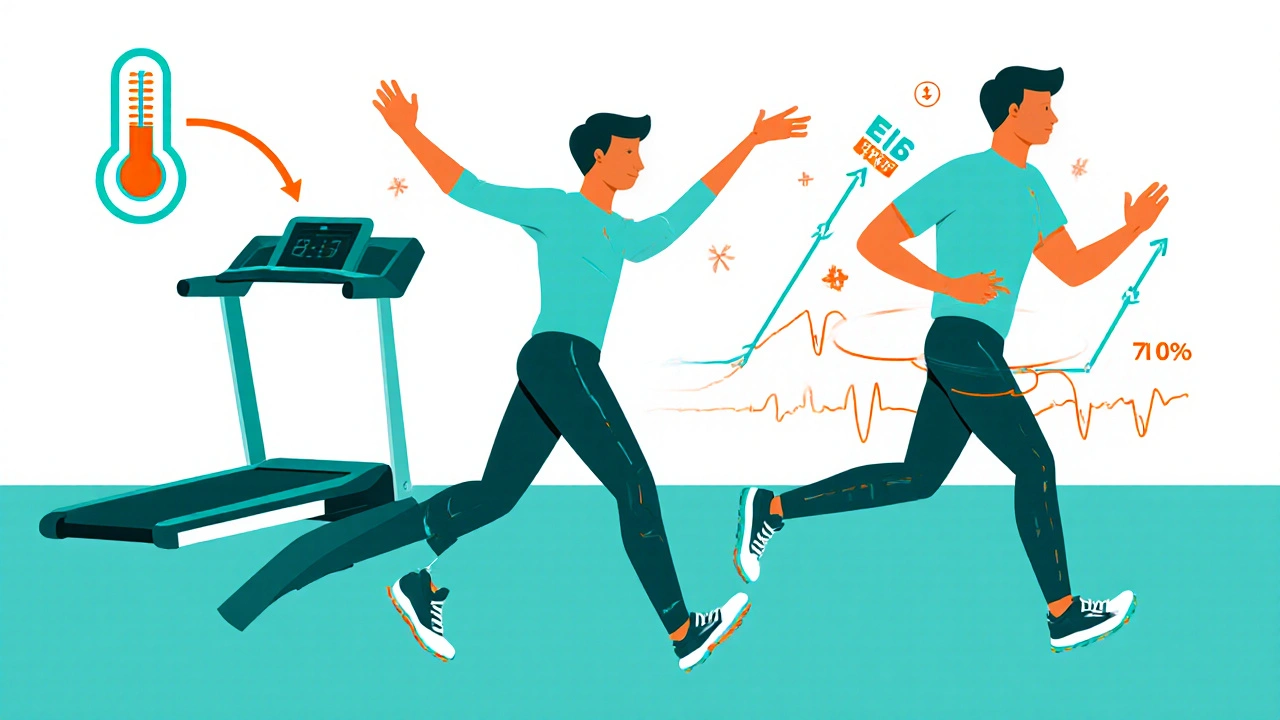
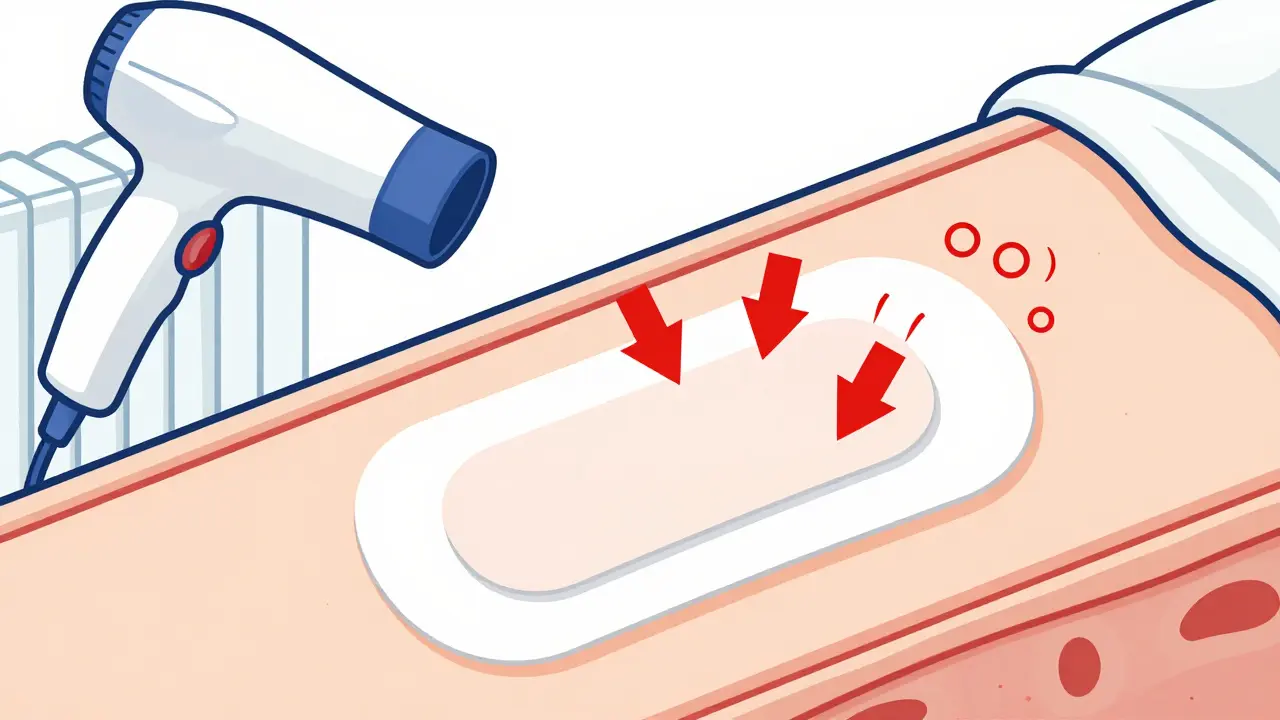
The most common mistake people make with patches is trying to speed up the process. Heating a patch with a hairdryer, placing it near a radiator, or even covering it with plastic wrap increases blood flow to that area of skin. This forces the medication to absorb much faster than intended. Instead of a gentle trickle, you get a flood. For someone with low tolerance, this sudden surge can cause respiratory depression-the slowing or stopping of breathing-within minutes.
Another critical risk is sharing. A patch might look like it has "some left" after three days, but the reservoir still contains a significant amount of active drug. Applying a used patch to another person, or cutting a patch in half to share doses, bypasses the safety mechanisms of the device. Cutting a patch destroys the rate-controlling membrane, releasing the entire remaining contents at once. Never cut, chew, or heat a patch. If you need to dispose of one, fold it sticky-side together and flush it if instructed by the packaging, or place it in a disposal lockbox.
Liquid Medications: Precision Is Everything
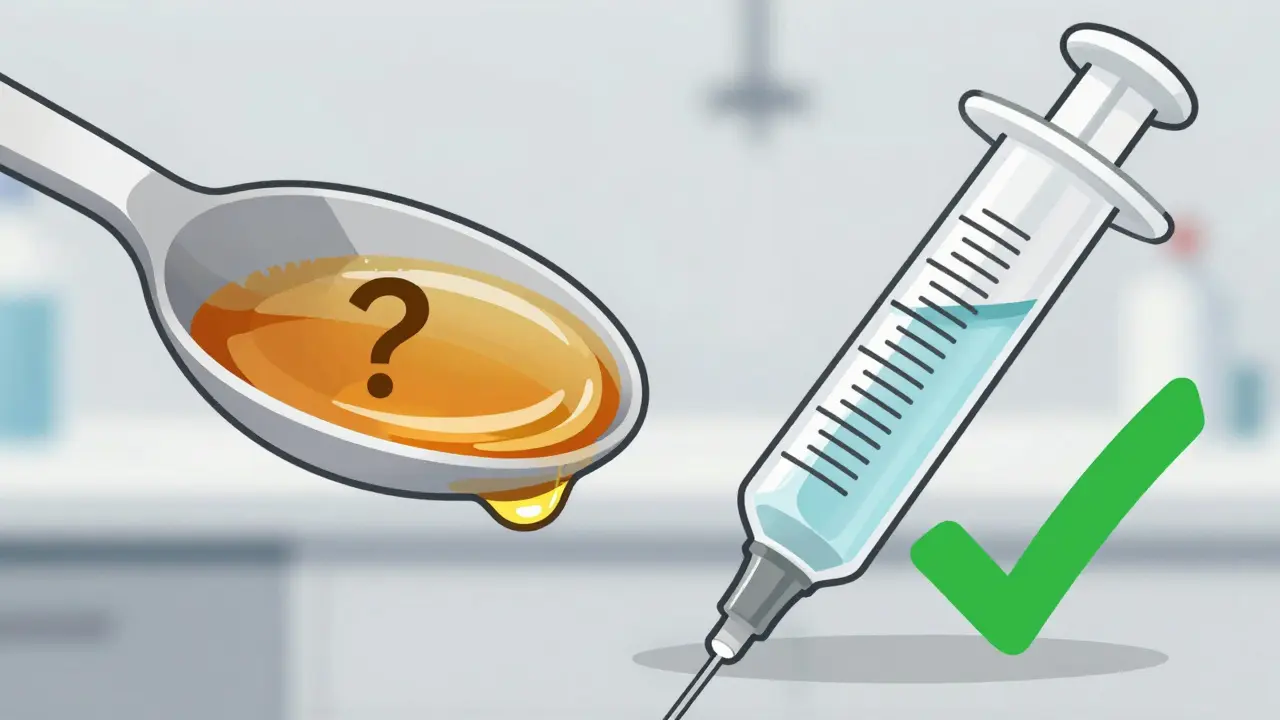
Liquids feel safer because they are easier to swallow, but they are actually one of the most dangerous forms for accidental overdose. Why? Because measuring liquids is imprecise unless you have the right tools. Using a kitchen teaspoon instead of a calibrated oral syringe or dosing cup can lead to massive dosage errors. A standard kitchen spoon holds anywhere from 4 to 6 milliliters, while a medical dose might require exactly 5 mL. That small difference adds up quickly over multiple doses.
Confusion between similar-looking liquids is another major hazard. Prescription cough syrups containing codeine or hydrocodone often look identical to non-prescription versions. In households with children or elderly relatives, grabbing the wrong bottle can be fatal. Always check the label twice. Better yet, store prescription liquids in a locked cabinet separate from over-the-counter remedies.
Potency variability is a serious concern with illicit or compounded liquids. Unlike manufactured pills, which have strict quality controls, homemade or black-market liquid opioids can vary wildly in strength from batch to batch. One sip might be mild; the next could be lethal. If you are using liquid medications prescribed by a doctor, stick strictly to the volume specified on the prescription label. Never estimate. Use the syringe provided by the pharmacy, and draw the liquid to the exact line marked on the barrel.
Extended-Release Tablets: Don’t Break the Seal
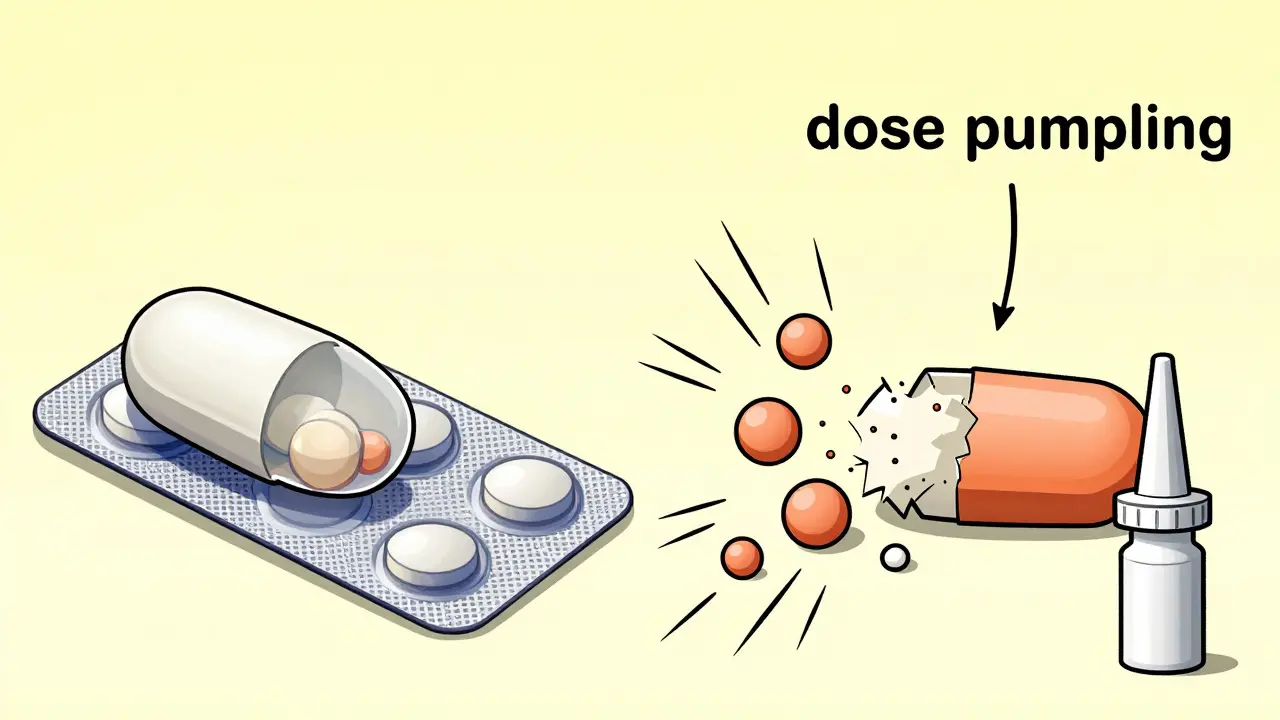
Extended-release (ER) or sustained-release (SR) tablets are engineered to dissolve gradually over 12 to 24 hours. Brands like OxyContin or MS Contin contain the full day’s worth of medication in a single pill. The coating or matrix inside the tablet acts as a gatekeeper, letting small amounts of drug out at regular intervals.
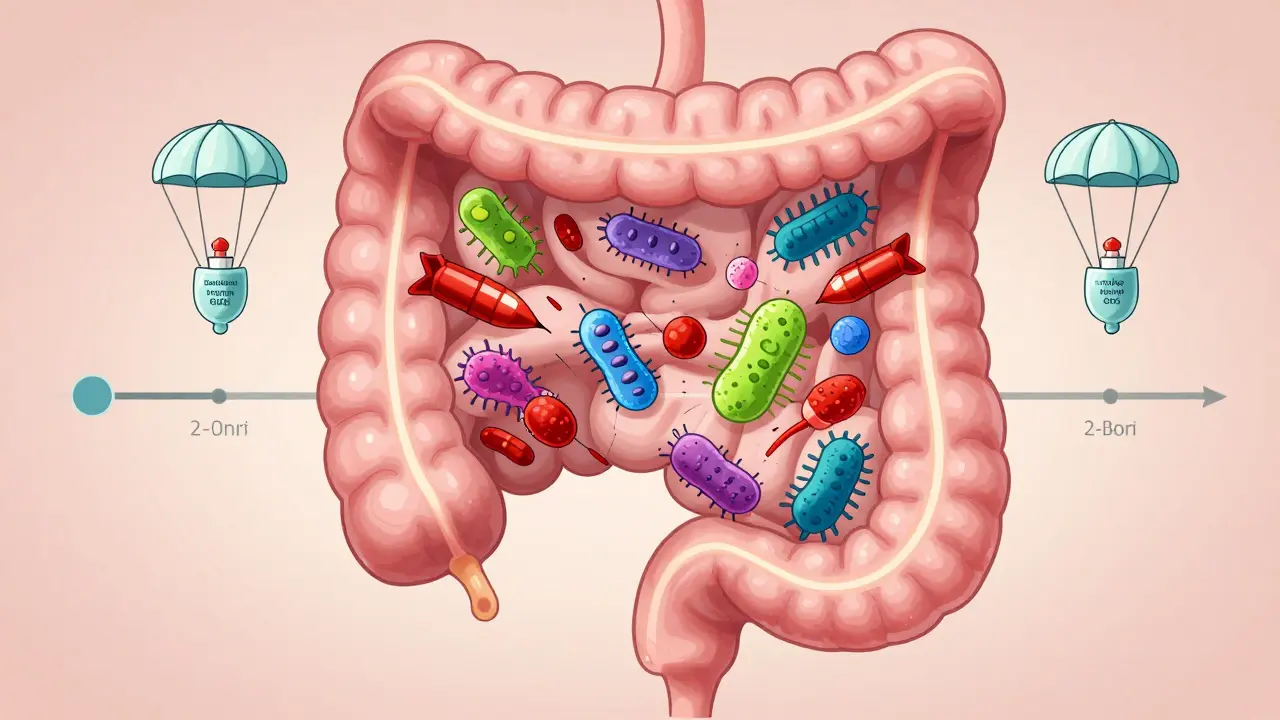
When you crush, chew, or break an ER tablet, you destroy that gatekeeper. You are no longer taking a slow-release dose; you are dumping the entire day’s supply into your system at once. This is called "dose dumping," and it is a leading cause of opioid overdose deaths among people who misuse prescription painkillers. The resulting spike in blood concentration overwhelms the brain’s respiratory centers, causing breathing to stop.
Even swallowing an ER tablet with certain foods or alcohol can alter its release profile. High-fat meals might delay absorption, while alcohol can sometimes accelerate it or increase sedation effects. Always follow the specific instructions on your prescription label regarding food and drink. If you miss a dose, do not double up to "catch up." Take the next scheduled dose at the regular time. Doubling up defeats the purpose of the extended-release formulation and creates a high-risk window for overdose.
Naloxone: Your Safety Net
No matter how careful you are, accidents happen. Naloxone (Narcan) is the antidote for opioid overdose, and it should be part of your safety plan if you use any form of opioid medication. It works by binding to opioid receptors in the brain, kicking the opioid off and restoring normal breathing.
Here’s the catch with extended-release medications: naloxone wears off faster than the drug itself. Naloxone’s effects last 30 to 90 minutes, but an ER tablet can continue releasing opioids for 12 hours or more. This means a person might wake up after receiving naloxone, only to slip back into overdose as the medication continues to enter their bloodstream. This is known as renarcotization. If you administer naloxone, you must call emergency services immediately. Do not assume the person is safe once they start breathing again. They may need repeated doses of naloxone until professional help arrives.
For patches and liquids, the risk of renarcotization is lower but still present, especially if the patch was heated or a large volume of liquid was consumed. Keep naloxone accessible at home, in your car, and at work. Many pharmacies sell it without a prescription, and community health programs often distribute it for free. Learn how to use both the nasal spray and the injectable forms so you’re prepared for any situation.
Building a Personal Safety Plan
Preventing overdose isn’t just about knowing the facts; it’s about creating habits that protect you every day. Start by writing down a simple safety plan. Include the names and phone numbers of trusted friends or family members who know where you live and what medications you take. Tell them to check in on you regularly.
Avoid using alone. If you must take medication by yourself, set a timer or ask someone to call you in an hour to ensure you’re okay. Mixing opioids with other central nervous system depressants-like alcohol, benzodiazepines (Xanax, Valium), or sleep aids-multiplies the risk of respiratory failure. These substances work together to slow down your brainstem, making it harder to breathe even at therapeutic doses.
Store all medications securely. Keep patches, liquids, and ER tablets in a locked box or high shelf out of reach of children and pets. Dispose of unused medications properly through take-back programs or authorized drop-off sites. Flushing is recommended for certain high-risk opioids like fentanyl patches if no other option exists, as leaving them in the trash poses a danger to anyone who might find them.
Comparison of Overdose Risks by Formulation
| Formulation | Primary Misuse Risk | Key Prevention Strategy | Naloxone Consideration |
|---|---|---|---|
| Transdermal Patch | Heating, cutting, sharing | Never manipulate the patch; dispose of used ones safely | Standard duration; monitor for continued absorption |
| Liquid | Inaccurate measuring, potency variation | Use calibrated syringes; never estimate doses | Rapid onset; quick response needed |
| Extended-Release Tablet | Crushing, chewing, dose dumping | Swallow whole; never split or grind | High risk of renarcotization; multiple doses may be needed |
Frequently Asked Questions
Can I cut a fentanyl patch in half to save money?
No, you should never cut a fentanyl patch. Cutting it destroys the controlled-release mechanism, causing the entire remaining dose to be absorbed rapidly. This can lead to a fatal overdose. Patches are designed for individual use and should be disposed of properly after the prescribed period.
What happens if I crush an extended-release opioid tablet?
Crushing an extended-release tablet causes "dose dumping," where the full day’s supply of medication is released into your system at once. This sudden spike in drug concentration can stop your breathing and cause death. Always swallow these tablets whole.
Is a kitchen spoon accurate enough for liquid medication?
No, kitchen spoons are not standardized and can hold significantly more or less than the prescribed dose. Always use the oral syringe or dosing cup provided by your pharmacist to ensure accuracy. Even small measurement errors can lead to toxicity over time.
Why do I need multiple doses of naloxone for extended-release opioids?
Naloxone wears off in 30-90 minutes, but extended-release opioids continue to enter the bloodstream for many hours. Once the naloxone fades, the remaining opioid can overwhelm your system again, causing you to stop breathing. This is called renarcotization, and it requires ongoing monitoring and potentially more naloxone until emergency help arrives.
Can heating a patch really cause an overdose?
Yes, applying heat to a transdermal patch increases blood flow to the skin, which accelerates drug absorption. This can turn a slow, steady dose into a rapid, dangerous surge. Never use hot water bottles, heating pads, or hairdryers on areas where a patch is applied.