
Paroxetine Weight Gain Risk Calculator
This tool estimates your risk of significant weight gain while taking paroxetine based on factors like dose, duration, and BMI. The American Diabetes Association reports that 25.5% of patients gain at least 7% of their body weight on paroxetine over 6 months.
Note: This is for informational purposes only. Always consult your healthcare provider before making medication changes.
Your Estimated Risk
Personalized Recommendations:
When you start taking paroxetine - known by brand names like Paxil or Seroxat - you’re often hoping for relief from anxiety, depression, or panic attacks. And for many people, it works. But after a few months, something unexpected happens: the scale starts creeping up. Not a little. Sometimes, a lot. You’re eating the same, maybe even exercising more, yet pounds stick on. That’s not your imagination. It’s a well-documented side effect of paroxetine, and it’s more common than most doctors let on.
Why Paroxetine Makes You Gain Weight
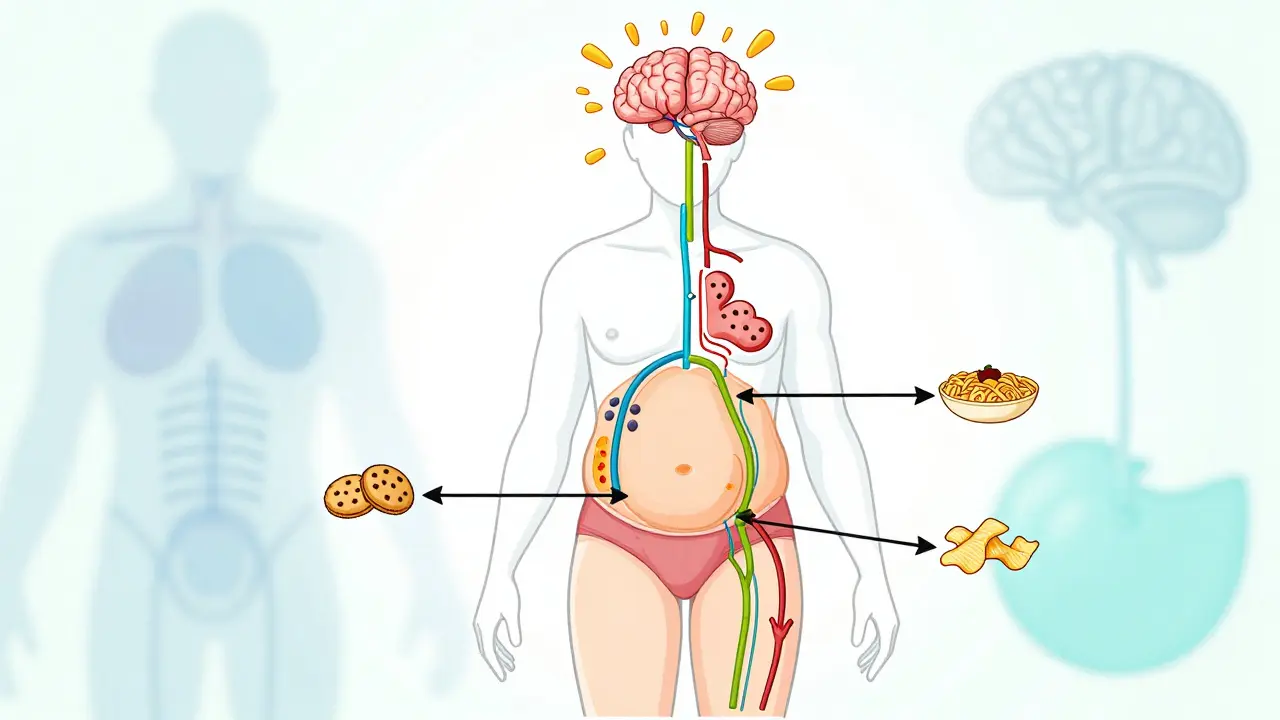
Paroxetine is an SSRI, a type of antidepressant that boosts serotonin in the brain. That helps stabilize mood. But serotonin doesn’t just affect your emotions - it also controls appetite, cravings, and how your body stores fat. When paroxetine floods your system with extra serotonin, it can trigger intense cravings for carbs and sweets. You might not even feel hungrier - you just suddenly want cookies, pasta, or chips. And once you eat them, your body holds onto the calories more easily. Studies show this isn’t random. In a 2014 study of over 1,000 patients, 25.5% of people on paroxetine gained at least 7% of their body weight over six months. Compare that to sertraline (Zoloft), where only 4.2% saw that much gain. Fluoxetine (Prozac) users? Barely any change at all. The difference isn’t small. For someone who weighs 150 pounds, paroxetine could mean gaining around 5.4 pounds over six months, while other SSRIs might add just 1.5 pounds - or even cause slight loss. The longer you take it, the worse it gets. In the first 12 weeks, weight changes are usually minor. But after six months? That’s when the real shift happens. One long-term study tracking patients for 2.5 years found the average weight gain was over 3.5 pounds - and nearly 15% of users gained more than 7% of their starting weight. That’s not just a few extra pounds. That’s a noticeable, often distressing change in how your body looks and feels.Who’s Most at Risk?
Not everyone gains weight on paroxetine. Some people stay the same. A few even lose a little. But certain factors make weight gain more likely:- Higher doses: People on 40 mg or more are more likely to gain than those on 10-20 mg.
- Longer treatment: After six months, the risk jumps significantly.
- Pre-existing metabolic issues: If you already have prediabetes, high cholesterol, or a BMI over 25, paroxetine can make things worse.
- Gender: Women report weight gain more often than men, possibly due to hormonal interactions.
- Genetics: New research shows certain gene variants (like 5-HT2C receptor changes) make some people far more sensitive to paroxetine’s appetite effects.
How It Compares to Other Antidepressants
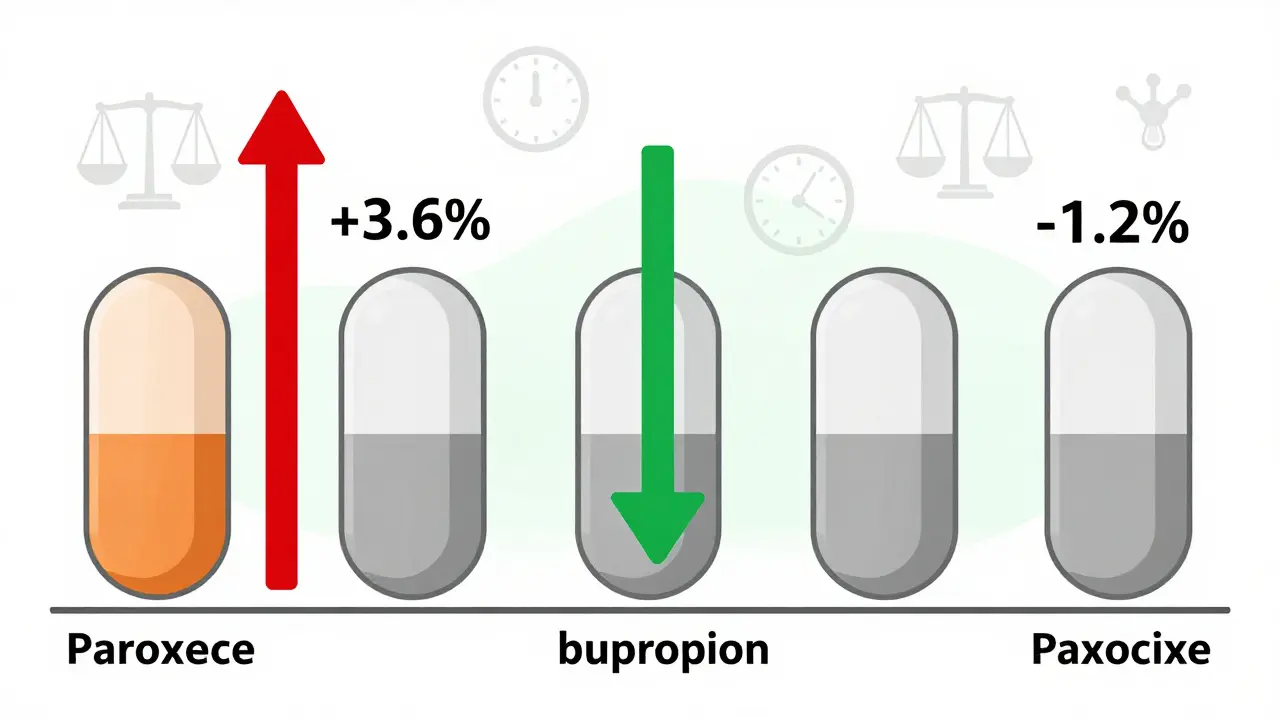
Not all antidepressants treat weight the same way. Here’s how paroxetine stacks up:| Medication | Typical Weight Change | Long-Term Risk |
|---|---|---|
| Paroxetine (Paxil) | +3.6% average | High - increases over time |
| Sertraline (Zoloft) | +1.0% average | Low |
| Fluoxetine (Prozac) | -0.2% average | Very Low |
| Bupropion (Wellbutrin) | -1.2% average | Weight loss common |
| Mirtazapine (Remeron) | +4.5% average | High - especially early on |
| Escitalopram (Lexapro) | +0.5% average | Low |
What You Can Do: Practical Strategies
If you’re on paroxetine and noticing weight gain, you don’t have to just accept it. Here’s what actually works:- Track your weight monthly. Don’t wait until you’ve gained 15 pounds to say something. Start monitoring at week 8. If you gain more than 2-3% of your body weight by six months, talk to your doctor.
- Move more - but not just for calories. Aim for 150 minutes of brisk walking, cycling, or swimming each week. Exercise doesn’t just burn fat - it helps regulate serotonin and reduces cravings.
- Try time-restricted eating. A 2023 study found that limiting food intake to an 8-hour window (like 10 a.m. to 6 p.m.) cut paroxetine-related weight gain by 62%. You’re not dieting - you’re just not eating late at night, when cravings hit hardest.
- Reduce refined carbs and sugar. Your brain is wired to crave them on paroxetine. Swap white bread, pasta, and sweets for whole grains, beans, vegetables, and lean protein. It won’t stop cravings entirely, but it stops the spike-and-crash cycle.
- Ask about metformin. This diabetes medication has been shown in clinical trials to reduce SSRI-induced weight gain by over 5 pounds over six months. It’s not a magic pill, but for some, it’s a game-changer.
Should You Switch Medications?
If weight gain is affecting your mental health - because you’re feeling worse about your body, avoiding social situations, or losing motivation - switching might be the best move. Many people lose 5 to 10 pounds within six months after switching from paroxetine to fluoxetine or bupropion. Bupropion is especially helpful because it’s one of the few antidepressants that often causes weight loss. But don’t switch on your own. Paroxetine has withdrawal symptoms - dizziness, brain zaps, nausea - if stopped too quickly. Your doctor needs to taper you slowly, then introduce the new medication gradually. The American Psychiatric Association now recommends avoiding paroxetine in patients with a BMI over 25 or metabolic syndrome. That’s not just a suggestion - it’s becoming standard practice. If you’re overweight or have high blood pressure, high cholesterol, or prediabetes, your doctor should be discussing alternatives before even starting you on paroxetine.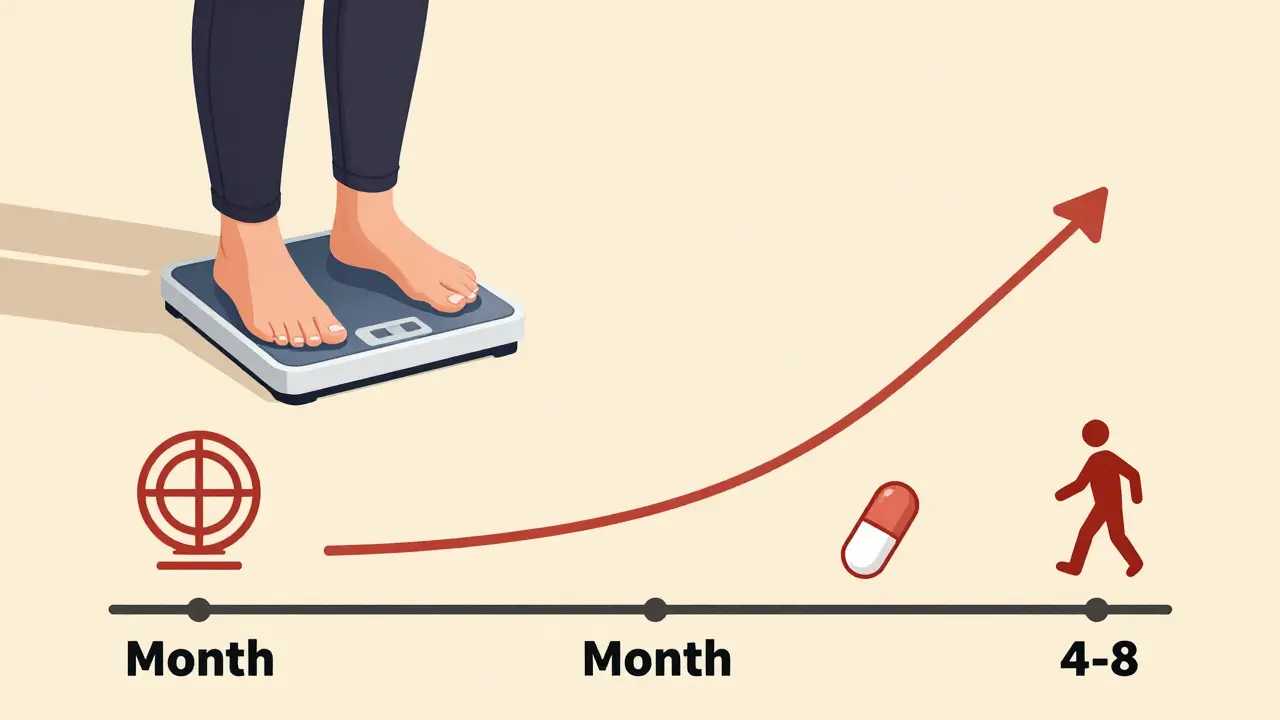
What If You Can’t Switch?
Sometimes, paroxetine is the only thing that works. Maybe other SSRIs made your anxiety worse. Maybe you’ve tried everything. In those cases, you still have options:- Work with a dietitian who understands psychiatric medications - they know how to design meals that fight cravings without triggering guilt.
- Consider adding cognitive behavioral therapy (CBT) focused on food behavior. Many people on paroxetine develop emotional eating patterns. CBT helps break that cycle.
- Ask about lower doses. Sometimes 20 mg is just as effective as 40 mg for anxiety - with less weight gain.
Final Thoughts: It’s Not Your Fault
Gaining weight on paroxetine isn’t about willpower. It’s biology. Your brain chemistry changed. Your appetite changed. Your metabolism changed. You didn’t fail. The medication did - in this one specific way. The good news? You’re not alone. And you’re not stuck. There are ways to manage it - whether you stay on paroxetine or switch. The key is acting early. Don’t wait until you’ve gained 30 pounds. Talk to your doctor now. Ask about alternatives. Ask about metformin. Ask about diet strategies. Your mental health matters. So does your physical health. You deserve both.Does paroxetine cause weight gain in everyone?
No. About 25% of people gain 7% or more of their body weight on paroxetine, but many others see little to no change. Some even lose weight. Genetics, dose, duration, and lifestyle all play a role. If you’ve been on it for less than six months, you may not have seen the full effect yet.
How soon does weight gain start on paroxetine?
Most people don’t notice weight changes in the first 4-12 weeks. The real shift usually happens between months 4 and 8. By six months, the risk of significant gain (7% or more) becomes much higher. That’s why monitoring your weight monthly after month 3 is critical.
Can I lose the weight after stopping paroxetine?
Yes - many people do. Studies show that switching to fluoxetine or bupropion often leads to natural weight loss of 5-10 pounds within 6 months, even without dieting. Your appetite and metabolism usually return to baseline once the drug is out of your system. But it takes time. Don’t expect immediate results.
Is weight gain from paroxetine permanent?
Not if you act. Weight gain becomes harder to reverse the longer you stay on paroxetine - especially if you’ve gained over 10% of your body weight. But even then, combining a medication switch with lifestyle changes can lead to significant loss. The key is not waiting until you’re overwhelmed.
Are there any antidepressants that don’t cause weight gain?
Yes. Bupropion (Wellbutrin) is the most consistent - it often causes slight weight loss. Fluoxetine (Prozac) usually has minimal effect. Escitalopram (Lexapro) and sertraline (Zoloft) are also low-risk. If weight gain is a major concern, these are better first choices - unless your doctor has a specific reason to pick paroxetine.
Should I avoid paroxetine if I’m overweight?
Current guidelines from the American Psychiatric Association and American Diabetes Association recommend avoiding paroxetine in people with BMI over 25 or metabolic syndrome. It increases the risk of worsening insulin resistance and fat accumulation. If you’re overweight and need an antidepressant, ask about sertraline, escitalopram, or bupropion first.
Can diet and exercise prevent weight gain on paroxetine?
They can help - but not always prevent it. Exercise reduces cravings and improves metabolism. Eating whole foods and avoiding sugar helps. But because paroxetine directly alters brain signals around appetite, some people still gain weight despite strict diets. That’s why combining lifestyle changes with medication adjustments often works best.




11 Comments