
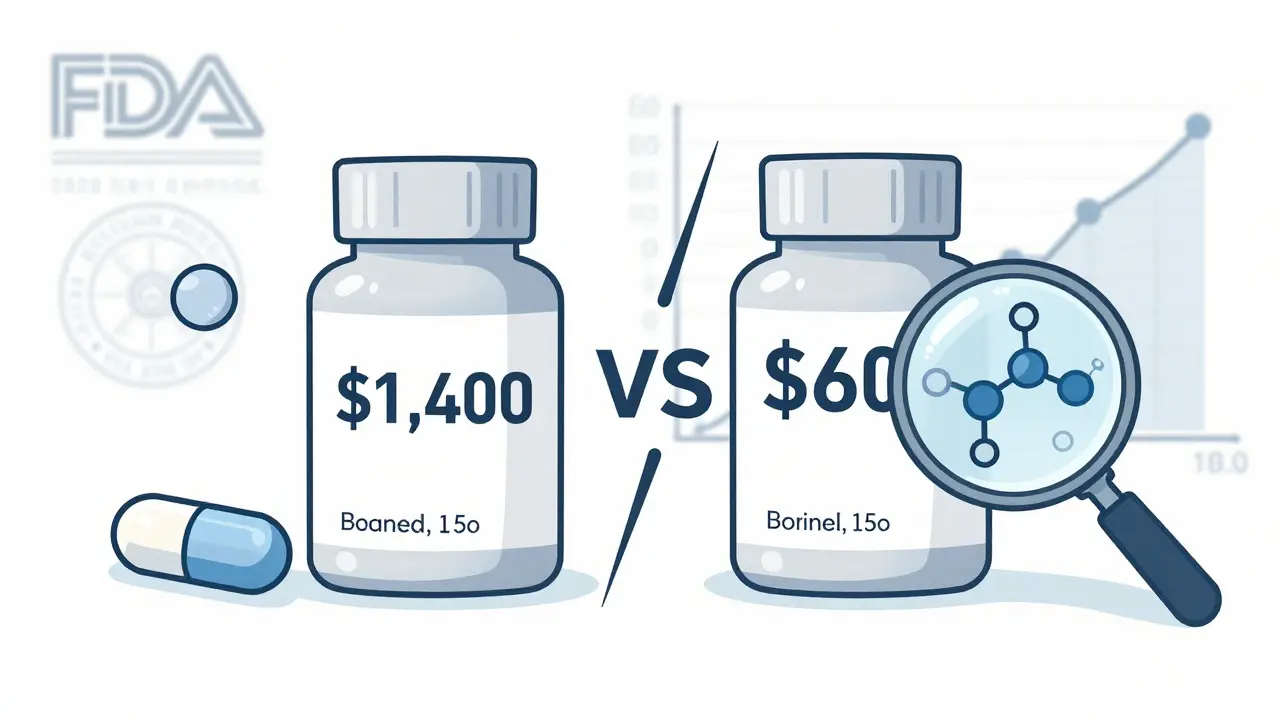
Every year, millions of Americans skip doses, split pills, or go without needed medications because they can’t afford them. The cost of brand-name drugs has skyrocketed - some prescriptions now run over $1,000 a month. But there’s a simple, proven way to cut those costs by 80% or more: generic medications.
What Exactly Are Generic Medications?
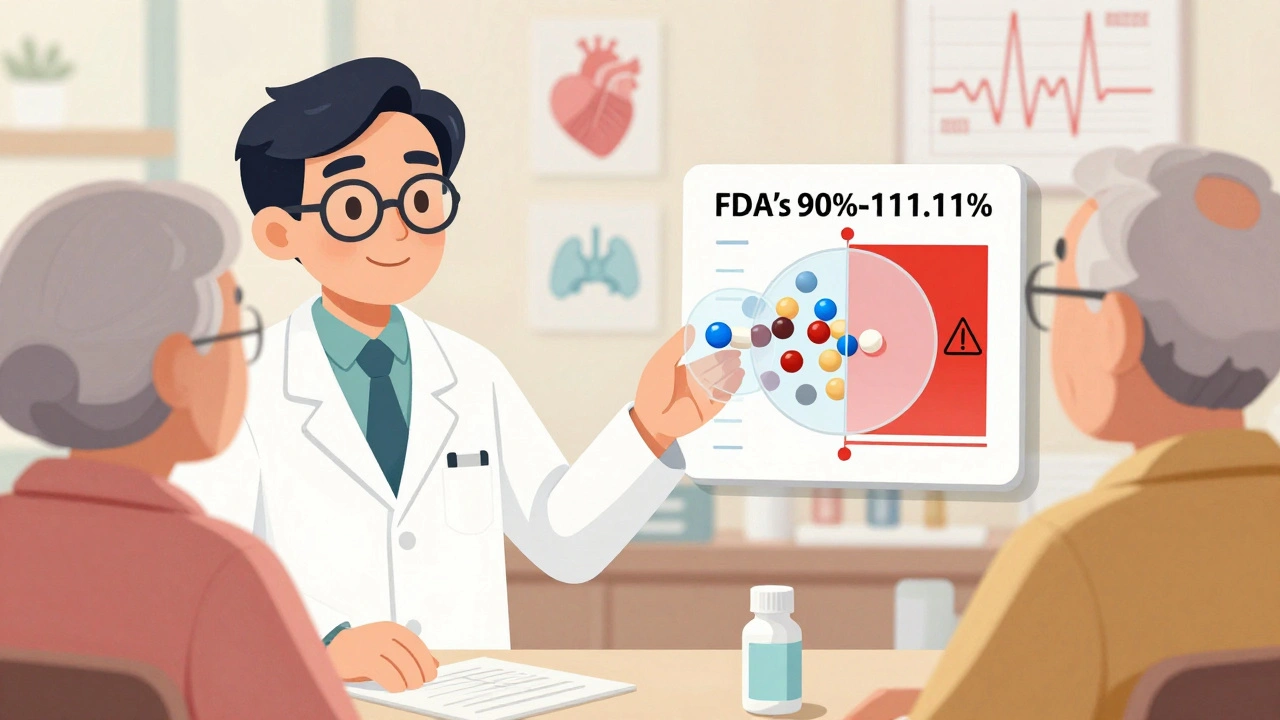
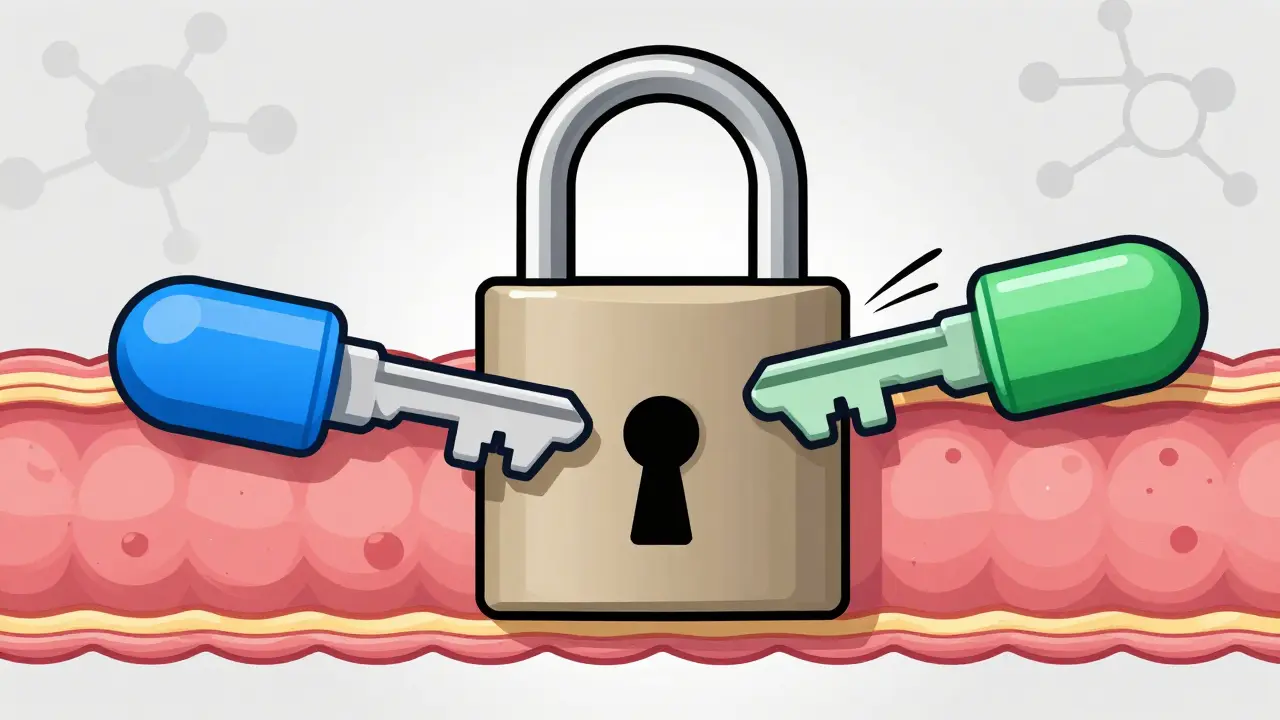
Generic medications are exact copies of brand-name drugs in every way that matters: same active ingredient, same strength, same dosage form, same way they work in your body. The only differences are in the color, shape, flavor, or inactive ingredients - things like fillers or dyes that don’t affect how the drug works. They’re sold under their chemical names, not flashy brand names like Lipitor or Nexium. The U.S. Food and Drug Administration (FDA) requires generics to prove they deliver the same amount of active ingredient into your bloodstream at the same rate as the brand-name version. This is called bioequivalence. If a generic doesn’t meet that standard, it doesn’t get approved. There’s no shortcut. No exceptions. You might wonder: if they’re so similar, why are they so much cheaper? Because generic manufacturers don’t have to pay for the original research, clinical trials, or marketing campaigns that cost brand-name companies billions. They just need to prove their version works the same way. That’s it.How Much Money Can You Really Save?
The numbers speak for themselves. On average, generic drugs cost 85% less than their brand-name equivalents. Over the last decade, generic medications have saved U.S. patients more than $2.2 trillion. That’s not a guess. That’s an official FDA and Alliance for Patient Access figure. Take a real example: a brand-name drug that cost $47 per pill dropped to under $2 per pill once a generic hit the market. For a 30-day supply, that meant a drop from $1,400 to under $60. Another drug fell from $88 per milliliter to under $10 - cutting a monthly cost from $3,800 to $500. That’s over $3,300 saved per person, every month. Even small savings add up. A 2023 study in JAMA Health Forum found that the median savings per generic prescription was $4.96. For uninsured patients, it was $6.08. For Medicare users, $4.64. That might not sound like much, but if you’re taking five medications a month, that’s $25-$30 saved every 30 days. Over a year? $300-$360. For someone on insulin, statins, or blood pressure meds, the savings can be thousands.Are Generic Drugs Really as Good as Brand-Name Ones?
Yes. And the science backs it up. The FDA inspects generic drug manufacturing plants the same way it inspects brand-name ones. Same standards for purity, stability, and quality. Same rules. No special treatment. In fact, many brand-name companies actually make their own generic versions - they just sell them under a different label. Some patients report feeling different on a generic - maybe less energy, or a change in side effects. But in nearly every case, studies show this isn’t because the active ingredient is different. It’s often because of the inactive ingredients. A different dye might cause a mild reaction. A different filler might change how fast the pill dissolves slightly - but not enough to affect how well it works. One exception is drugs with a narrow therapeutic index - where even tiny changes in blood levels can matter. Levothyroxine (for thyroid) is the most common example. Some doctors prefer to stick with one brand for these, but the FDA still considers generic versions safe and effective. If you’re on one of these drugs and notice a change after switching, talk to your doctor. But don’t assume the generic is the problem without checking. Dr. Aaron Kesselheim, a professor at Harvard Medical School, calls generics “one of the most successful public health interventions in modern history.” He’s not exaggerating. Millions of people who couldn’t afford their meds before are now taking them regularly - and living healthier lives because of it.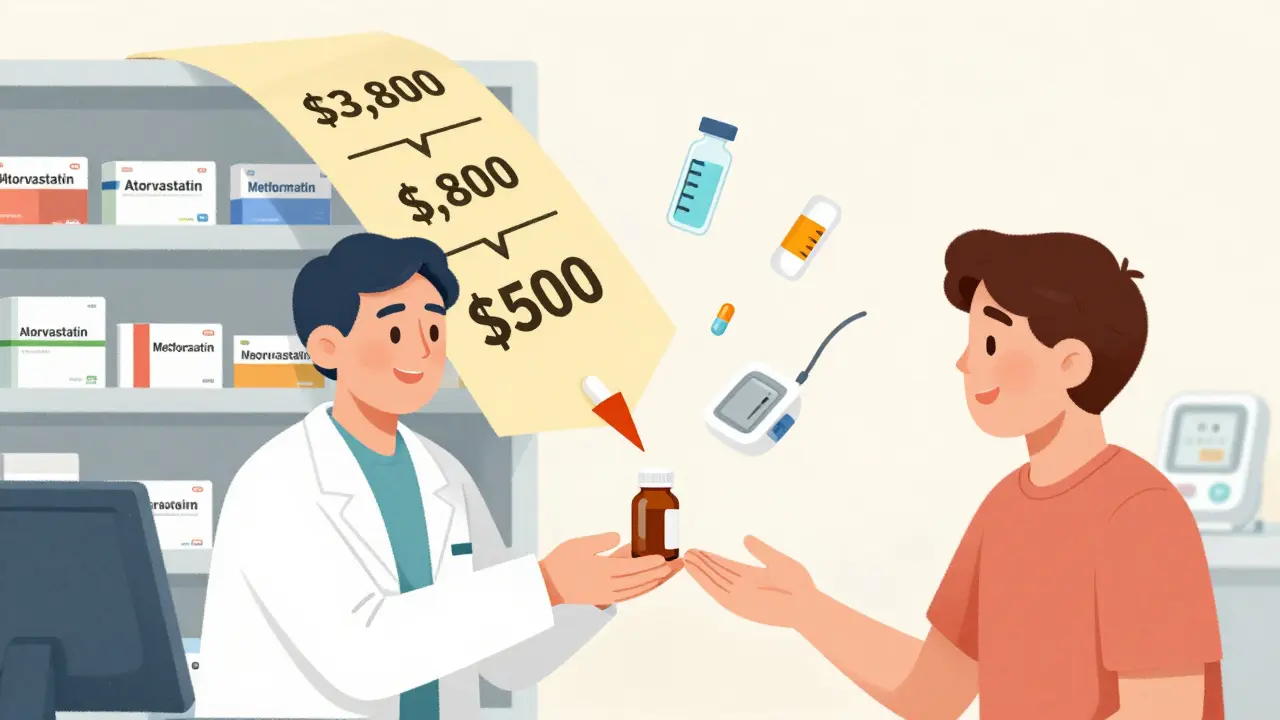
How to Get Generic Medications - And Save Even More
You don’t need a special plan or a referral. If a generic exists for your drug, your pharmacist is legally allowed to substitute it - unless your doctor writes “dispense as written” or “no substitution.” But here’s the trick: don’t just accept the first price you’re quoted. Insurance copays aren’t always the cheapest option. Many pharmacies - especially Costco, Walmart, and Target - sell common generic medications for under $20 for a 30-day supply, even if you have insurance. A 2018 study found that 90% of the top 184 most-prescribed generics could be bought at Costco for less than $20. That’s cheaper than most insurance copays. The Mark Cuban Cost Plus Drug Company (MCCPDC), launched in 2022, offers transparent pricing: what the drug costs to make, plus 15% and a $3 pharmacy fee. No middlemen. No hidden markups. For many drugs, it’s the lowest price you’ll find anywhere. Use tools like GoodRx or SingleCare to compare prices across pharmacies. Sometimes the cash price is lower than your insurance copay. Always ask: “Is there a generic? And what’s the cash price?”What If Your Insurance Won’t Cover the Generic?
Sometimes, your insurance plan’s formulary (the list of covered drugs) still pushes brand-name drugs - even when generics are available. This is rare, but it happens. If your doctor prescribes a brand-name drug and you want the generic, ask them to write the prescription for the generic name. Or ask your pharmacist to switch it. If your insurer denies it, you can file a prior authorization appeal. Many insurers will approve the generic if you show it’s the same drug. Some plans even have tiered pricing: generics are Tier 1 (lowest cost), brand-name drugs are Tier 3 or 4 (much higher). If you’re paying more than $20 for a generic, your plan might be misconfigured. Call customer service. Ask why you’re not getting the lowest tier.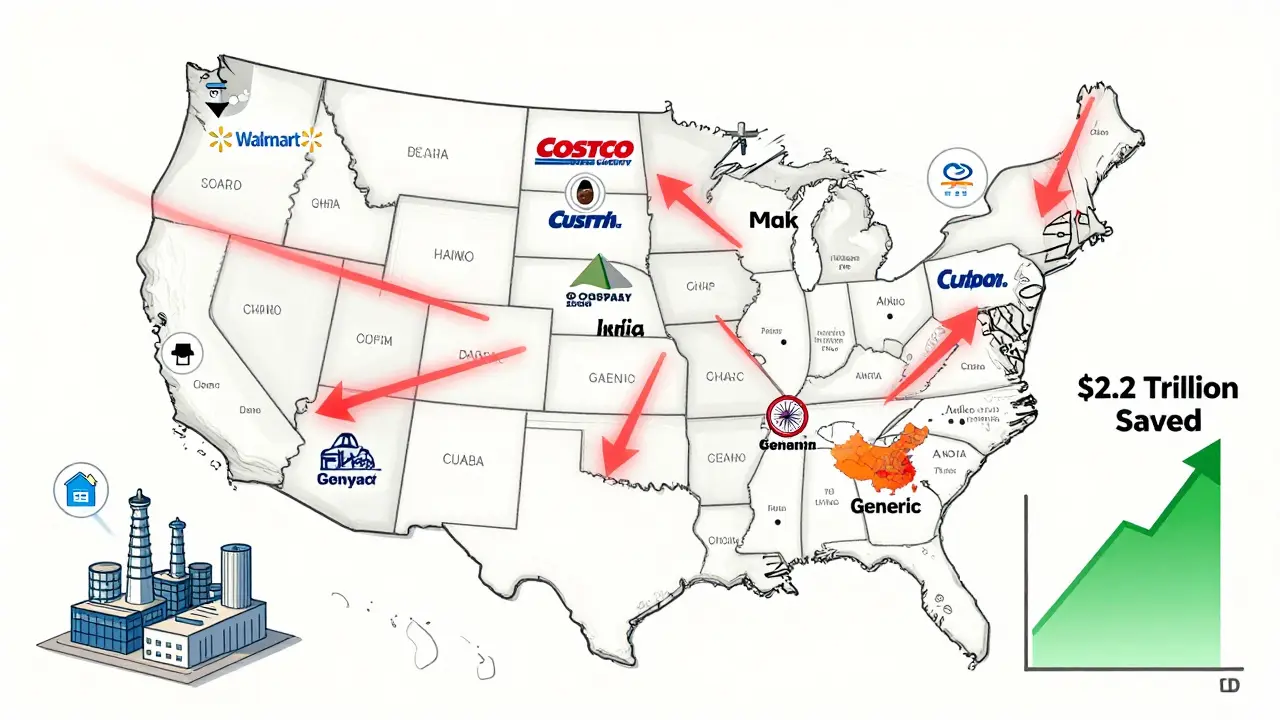
Common Myths About Generic Medications
- Myth: Generics are made in lower-quality factories. Truth: The same FDA rules apply. Many U.S. brand-name plants also make generics. Some generics are made in India or China - but those factories are inspected by the FDA too.
- Myth: Generics take longer to work. Truth: Bioequivalence means they enter your bloodstream at the same rate. If you feel a difference, it’s likely psychological or due to inactive ingredients.
- Myth: Only poor people use generics. Truth: 90% of all prescriptions filled in the U.S. are generics. That’s not just low-income patients. That’s Medicare recipients, private insurance holders, and even people with employer plans.
- Myth: Generics aren’t as safe. Truth: The FDA monitors adverse events for both brand and generic drugs equally. No significant safety differences have been found.
What’s Next for Generic Drugs?
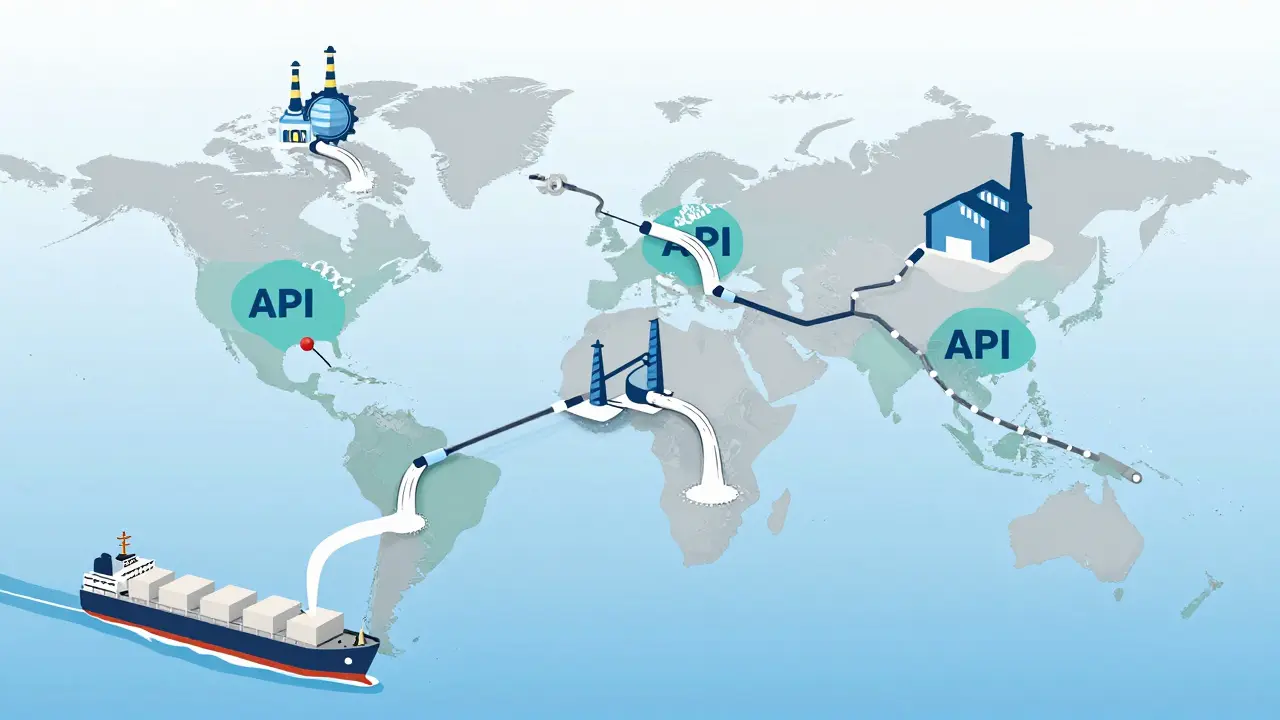
More drugs are going generic every year. In 2022 alone, the FDA approved hundreds of new generics. Drugs like Humira, which cost over $2,000 a month, are now seeing biosimilar versions - the next generation of generics for complex biologic drugs. These aren’t exact copies, but they’re close enough to cut prices by 50-80%. The big challenge? Manufacturing consolidation. A few big companies now make most of the world’s generic pills. If one plant shuts down - like what happened with some antibiotics a few years ago - shortages can occur. That’s why experts urge the FDA to keep approving new generic manufacturers to keep competition high. But for now, the message is clear: if you’re paying high prices for prescriptions, you’re likely overpaying. The generic version is just as safe. Just as effective. And often 10 times cheaper.Are generic medications as effective as brand-name drugs?
Yes. The FDA requires generics to prove they deliver the same active ingredient in the same amount and at the same rate as the brand-name version. This is called bioequivalence. Thousands of studies and real-world use have confirmed that generics work just as well. The only differences are in inactive ingredients, color, or shape - none of which affect how the drug treats your condition.
Why are generic drugs so much cheaper?
Generic manufacturers don’t have to repeat expensive clinical trials or pay for massive advertising campaigns. Once a brand-name drug’s patent expires, other companies can produce the same active ingredient. Because there’s competition - often dozens of makers - prices drop dramatically. The FDA estimates generics cost 85% less on average.
Can I switch from a brand-name drug to a generic without asking my doctor?
In most cases, yes. Pharmacists are allowed to substitute a generic unless your doctor specifically writes “dispense as written” or “no substitution.” If you’re unsure, ask your pharmacist or doctor. For most medications, switching is safe and common. For drugs with a narrow therapeutic index (like levothyroxine), your doctor may recommend sticking with one version for consistency.
Is it safe to buy generic drugs from online pharmacies?
Only if the pharmacy is licensed and verified. Avoid websites that don’t require a prescription, or that offer drugs from unknown countries. Stick to U.S.-based pharmacies with a physical address and a licensed pharmacist on staff. Look for the VIPPS seal (Verified Internet Pharmacy Practice Sites). The FDA warns that many online sellers offer counterfeit or unsafe products - even if they claim to sell generics.
What if I don’t have insurance? Can I still afford generics?
Absolutely. Many common generic medications cost less than $10 for a 30-day supply at pharmacies like Walmart, Costco, or Target - even without insurance. Programs like the Mark Cuban Cost Plus Drug Company offer transparent pricing, often under $5 per month for basic prescriptions. Use tools like GoodRx to compare cash prices across local pharmacies. You don’t need insurance to get affordable meds.




12 Comments