

Parents often reach for antihistamines when their child has allergies, hives, or a runny nose. But giving the wrong dose-or the wrong type-can be dangerous. Not all antihistamines are made the same, especially for kids. What’s safe for a 10-year-old might be risky for a 1-year-old. The key isn’t just choosing a brand-it’s matching the medication to your child’s age, weight, and specific symptoms.
Why Age Matters More Than You Think
Children aren’t small adults. Their bodies process medicine differently. A baby’s liver and kidneys aren’t fully developed, so they clear drugs slower. Their blood-brain barrier is more permeable, which means some medications can cause stronger side effects. First-generation antihistamines like diphenhydramine (Benadryl) cross into the brain easily, leading to drowsiness, confusion, or even agitation in young children. In some cases, this can slow breathing-a serious risk for infants under two.The FDA has been clear since 2008: don’t give diphenhydramine to children under two unless a doctor says so. Even then, it’s only for emergencies like severe allergic reactions. Yet, many parents still use it for colds or to help kids sleep. That’s not just ineffective-it’s risky. Studies show that using antihistamines as sleep aids increases overdose risk by 300% in children under two.
Second-Generation Antihistamines: The Safer Choice
Second-generation antihistamines like cetirizine (Zyrtec) and loratadine (Claritin) are now the go-to for most pediatric allergies. They don’t cross the blood-brain barrier as easily, so they cause far less drowsiness. In fact, only 10-15% of kids on cetirizine feel sleepy, compared to 50-60% on diphenhydramine. That makes them better for daily use, especially for kids with ongoing allergies like hay fever or eczema.Doctors at Boston Children’s Hospital, Children’s Hospital Colorado, and St. Louis Children’s Hospital all recommend these as first-line treatments. The American Academy of Allergy, Asthma & Immunology (AAAAI) echoed this in 2024, saying cetirizine should replace diphenhydramine for infants with hives. Why? Because it works just as well-and it’s safer.
Dosing by Age: What to Give and How Much
Dosing isn’t one-size-fits-all. It depends on age, weight, and the specific drug. Here’s what experts recommend as of 2025:- Infants 6-11 months: Cetirizine at 0.25 mg/kg/day (split into two doses if needed). For an 8 kg baby, that’s about 2 mg total per day-roughly 1 mL of liquid (1 mg/mL). Some doctors start lower at 0.125 mg/kg/day if symptoms are mild.
- Children 1-2 years: Cetirizine 2.5 mg daily (½ teaspoon of 5 mg/5 mL liquid). Loratadine is not FDA-approved until age two, so cetirizine is preferred.
- Children 2-5 years: Cetirizine 2.5-5 mg daily, or loratadine 5 mg daily (1 teaspoon of liquid). Chewable tablets come in 5 mg or 10 mg-always check the label.
- Children 6-11 years: Cetirizine 5-10 mg daily. Loratadine 5 mg daily. If symptoms aren’t controlled, increase cetirizine to 10 mg.
- Children 12+ years: Cetirizine 10 mg daily, loratadine 10 mg daily. Same as adult doses.
Diphenhydramine, if used at all, is strictly weight-based:
- 38-49 lbs: 7.5 mL liquid (12.5 mg) every 6 hours, max 6 doses in 24 hours
- 50-99 lbs: 10 mL liquid (12.5 mg) every 6 hours
- Over 100 lbs: 15 mL liquid (12.5 mg) every 6 hours
Never use adult tablets for kids. A 10 mg loratadine tablet is too strong for a 3-year-old. And never guess the dose-use the measuring cup or syringe that comes with the bottle. Kitchen spoons vary by 20-50%, and that’s enough to cause an overdose.

What to Avoid at All Costs
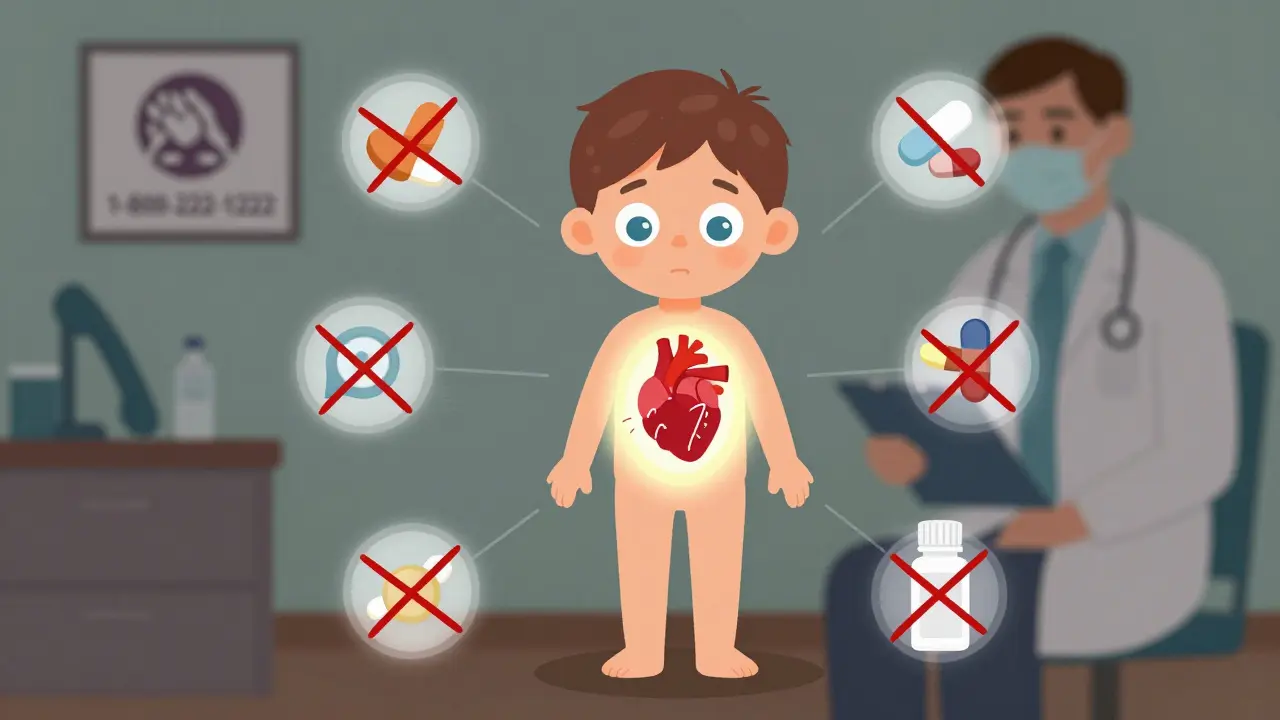
There are several common mistakes that put kids at risk:- Using decongestant combos: Products like Claritin-D or Benadryl Allergy & Sinus contain pseudoephedrine or phenylephrine. These are not approved for children under six and can raise heart rate or cause agitation.
- Using antihistamines as sleep aids: Even if your child seems drowsy, don’t give it to help them sleep. It doesn’t improve sleep quality-it just masks symptoms and increases overdose risk.
- Assuming all chewables are the same: Some children’s chewables are 5 mg, others are 10 mg. Always check the package. A parent giving a 10 mg tablet thinking it’s 5 mg can cause serious side effects.
- Giving medicine without checking weight: Dosing by age alone isn’t enough. A small 4-year-old may need less than a larger 4-year-old. Always use weight when possible.
When to Call a Doctor or Poison Control
Antihistamine overdoses can be serious. Signs include:- Extreme drowsiness or difficulty waking up
- Racing heart or flushed skin
- Confusion, hallucinations, or seizures
- Difficulty urinating or dry mouth
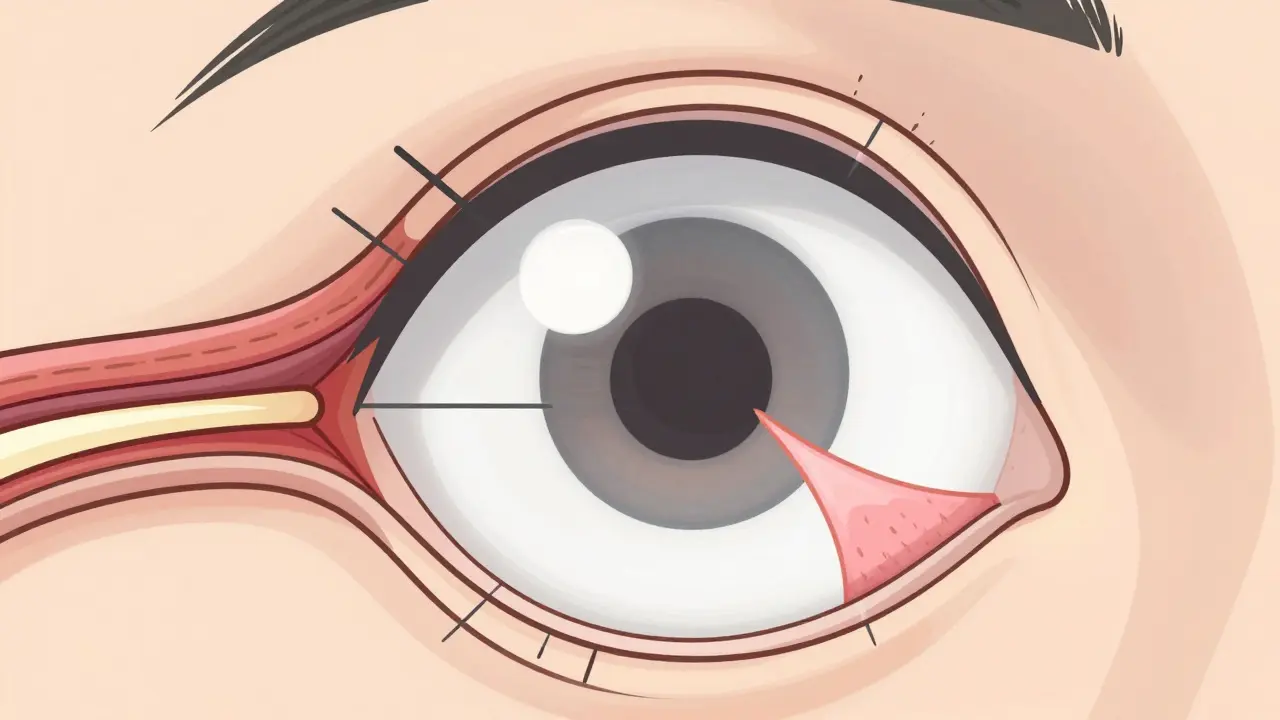
- Dilated pupils or blurred vision
If you suspect an overdose, call Poison Control immediately at 1-800-222-1222. Don’t wait for symptoms to get worse. Even small overdoses in young children can lead to hospitalization.
Also, call your pediatrician if:
- Your child is under 6 months and has hives or allergies
- You’re unsure about the right dose
- Symptoms don’t improve after 3-5 days
- Your child develops new symptoms like wheezing, swelling, or trouble breathing
What’s Changing in 2025 and Beyond
Research is still evolving. The FDA is requiring more safety studies for antihistamines in children under two. Results from ongoing trials are expected by 2025. One trial (NCT04567821) is looking at cetirizine use in infants under six months-potentially leading to official approval by 2026.Right now, doctors are using cetirizine off-label for babies under six months, starting at 0.125 mg/kg/day. But this isn’t something to try at home. It should only be done under a pediatric allergist’s supervision.
Meanwhile, prescription rates for second-generation antihistamines have risen 17.3% each year since 2018. More hospitals are standardizing protocols around cetirizine. And pediatric allergists are moving away from diphenhydramine entirely-for routine use, it’s simply outdated.
Final Takeaway: Safer Choices, Better Outcomes
The best antihistamine for your child isn’t the one you remember from your childhood. It’s the one backed by current science: cetirizine for most kids over six months, loratadine for those over two. Avoid diphenhydramine unless it’s an emergency. Always measure carefully. Never use it to help your child sleep. And when in doubt, talk to your doctor.Antihistamines can be helpful-but only when used correctly. Getting it right means fewer side effects, better symptom control, and peace of mind for you.
Can I give my 4-month-old Benadryl for allergies?
No. The FDA warns against giving diphenhydramine (Benadryl) to children under two years without a doctor’s supervision. For infants under six months, even cetirizine (Zyrtec) is used off-label and only under specialist guidance. Never give any antihistamine to a baby under six months without consulting a pediatrician.
Is Zyrtec safe for toddlers?
Yes, cetirizine (Zyrtec) is FDA-approved for children 6 months and older. For toddlers (1-2 years), the standard dose is 2.5 mg once daily. It’s much safer than Benadryl because it causes less drowsiness and doesn’t affect breathing. Always use the liquid form with the provided measuring device.
How do I know if I’m giving the right dose?
Always check the label on the bottle for concentration (e.g., 5 mg per 5 mL). Use only the measuring cup or syringe that came with the medicine. Weigh your child if possible, and match the dose to weight-based charts from trusted sources like Boston Children’s Hospital or the AAP. When in doubt, call your pediatrician or pharmacist.
Can I use children’s Claritin for a 1-year-old?
Loratadine (Claritin) is only approved for children 2 years and older. For a 1-year-old, cetirizine (Zyrtec) is the preferred option. Never give Claritin to a child under two unless your doctor specifically prescribes it.
What if my child accidentally takes too much?
Call Poison Control immediately at 1-800-222-1222. Don’t wait for symptoms. Signs of overdose include extreme drowsiness, confusion, fast heartbeat, dry mouth, or trouble urinating. Keep the medicine bottle handy when you call so you can tell them exactly what was taken.
Are chewable antihistamines safer than liquids?
They’re not safer-they’re just different. Chewables can be easier for older kids, but the risk comes from dosing errors. Some are 5 mg, others are 10 mg. Always check the label. A 10 mg chewable given to a 3-year-old is a double dose. Liquids are more precise for young children because you can measure exactly.
Why do some doctors still prescribe Benadryl?
Diphenhydramine is still used for acute allergic reactions-like sudden hives or swelling-because it works faster (within 15-30 minutes). But it’s not for daily use. Second-generation antihistamines like cetirizine are better for ongoing allergies because they last 24 hours and have fewer side effects. Most pediatric allergists now reserve Benadryl for emergencies only.
Can I give my child antihistamines with other cold medicine?
No. Many cold and flu medicines already contain antihistamines or decongestants. Giving extra antihistamines can lead to double dosing and overdose. Always check the active ingredients on every label. If you’re unsure, ask your pharmacist.



8 Comments