
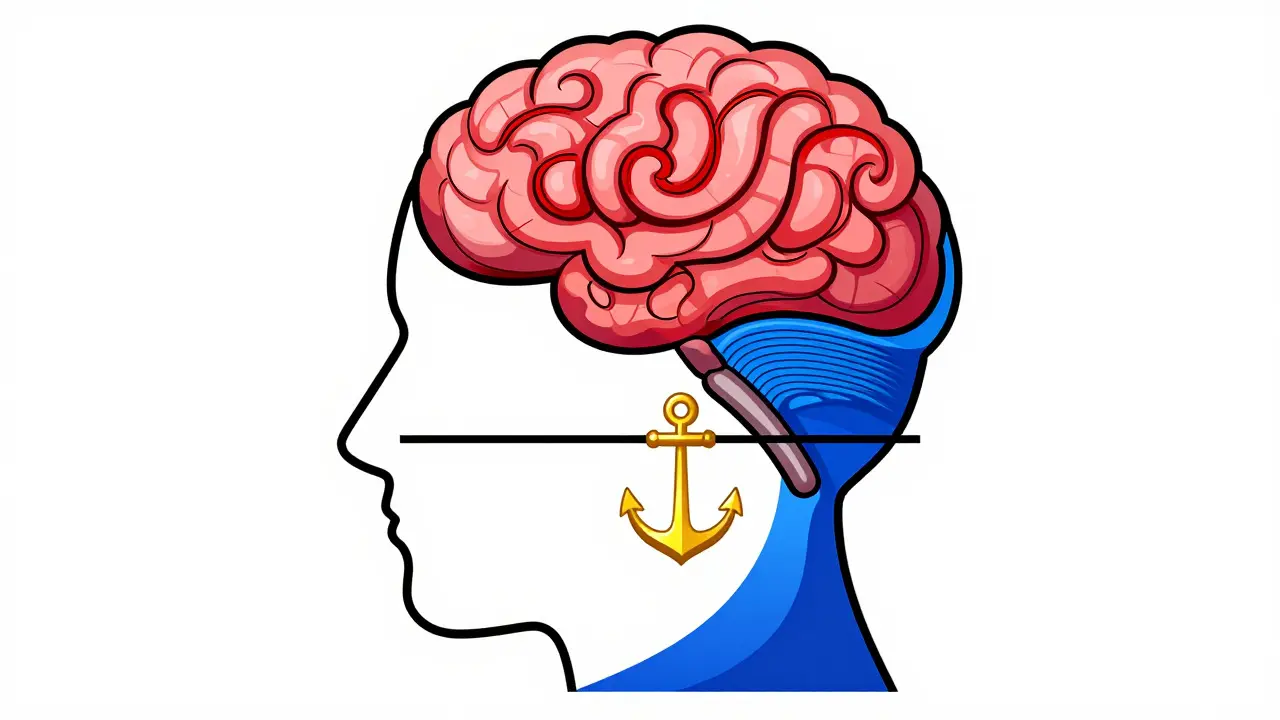
Living with bipolar disorderis a challenge that affects over 5 million adults in the US alone, causing dramatic shifts between manic highs and depressive lows. Finding the right medication balance is not just about stopping episodes; it’s about reclaiming your daily life without drowning in unbearable side effects. You want stability, yes, but you also want to feel like yourself-not a zombie on heavy pills. This guide breaks down exactly how doctors manage bipolar medications, what the latest data says about mood stabilizers versus antipsychotics, and how to handle the tricky stuff like toxicity and weight gain.
Quick Takeaways
- Lithium remains the gold standard for long-term safety, reducing suicide risk by up to 80% compared to placebo.
- Antipsychotics like quetiapine work faster for acute mania but carry higher risks of metabolic issues like diabetes.
- Nearly 40% of patients stop medication within a year due to side effects, making symptom management critical.
- Blood tests are mandatory for lithium users, checking levels weekly during start-up and quarterly once stable.
- Newer agents like lumateperone offer better weight profiles but may lack decades of long-term outcome data.
How Bipolar Medications Work Together
Treating bipolar disorder isn’t usually about one magic pill. It involves balancing two main classes of drugs: mood stabilizersmedications designed to dampen extreme mood swings without sedating you completely. and antipsychoticsdrugs originally for schizophrenia but now repurposed to control acute mania and depression in bipolar cases.. Think of mood stabilizers as the foundation-they keep you grounded over years-while antipsychotics are often the rescue team when things get out of hand quickly. Current guidelines from the American Psychiatric Association suggest starting with mood stabilizers for maintenance, but combining them with antipsychotics significantly boosts success rates for difficult-to-treat cases.
The math gets interesting here. Studies show that combination therapy-pairing a stabilizer with an antipsychotic-can hit a 70% response rate in stubborn cases. However, stacking meds isn't free. Adding drugs increases the side effect burden by about 25%. Your doctor has to weigh the benefit of fewer mood spikes against the cost of more physical symptoms. For instance, you might take lithium for general protection and add a short course of olanzapine just to calm down a severe manic episode. Once the storm passes, the goal is usually to taper off the stronger antipsychotic to keep your body healthy long-term.

Mood Stabilizers: The Long-Term Defense
Lithium sits at the top of this list. It was the first drug approved specifically for bipolar disorder back in 1970, and despite new competitors, it hasn't lost its crown. Why? Because nothing else reduces suicide risk quite like it. Research by Baldessarini et al. indicates an 80% drop in suicide attempts among patients on lithium compared to those on placebo. That is a massive statistic that keeps psychiatrists reaching for it. To make it work, you need precise blood levels. Too low (under 0.6 mmol/L) and it won't stop mania; too high (above 1.2 mmol/L) and you risk toxicity. Maintenance targets sit between 0.6 and 1.0 mmol/L, which means regular blood draws are non-negotiable.
| Medication | Primary Use | Common Side Effects | Relapse Prevention |
|---|---|---|---|
| Lithium | Mania & Suicide Prevention | Tremor, Kidney issues, Thirst | High (47% vs 23% placebo) |
| Valproate | Rapid Cycling Mania | Weight gain, Hair loss, Liver strain | Moderate |
| Lamotrigine | Bipolar Depression | Serious rash risk (SJS), Nausea | Strong for Depression (47% response) |
Beyond lithium, valproatean anticonvulsant that stabilizes mood by calming nerve firing. is popular for people who cycle moods rapidly. It hits hard on the manic side but is less protective against suicide. Then there's lamotrigine, the hero for depressive phases. Unlike lithium or valproate, it doesn't cause much weight gain, which makes it a favorite for those worried about their metabolism. However, it comes with a serious caveat: about 10% of patients can develop a dangerous rash called Stevens-Johnson Syndrome. Doctors usually ramp up the dose very slowly-over several weeks-to lower this risk.
Antipsychotics: Acute Control and Risks
Atypical antipsychotics have changed the game in the last two decades. Drugs like quetiapineoften used for sleep and anxiety alongside mood stabilization. received FDA approval for bipolar depression in 2006. If you wake up in a deep depressive slump with no energy, quetiapine can lift that fog faster than traditional antidepressants. Clinical trials showed a 50% response rate for depression compared to 31% for a sugar pill. But the trade-off is sedation. About 60-70% of users report feeling sleepy or groggy, which impacts your ability to drive or focus on work.
Weight gain is another elephant in the room. Olanzapine, for example, causes an average gain of 4.6 kilograms in just six weeks for many users. In contrast, ziprasidone causes almost zero weight change. This matters because untreated obesity leads to type 2 diabetes, heart disease, and premature death-which is ironic since we're treating mental health. Experts recommend monitoring waistlines and fasting glucose every quarter. Newer drugs like lumateperone (Caplyta) are attempting to solve this, offering minimal metabolic impact, though they haven't been on the market as long as the older generation. If you choose the heavier hitters, doctors might prescribe metformin to help counteract the blood sugar spikes.

Navigating Side Effects and Toxicity
Side effects are the primary reason 40% of people quit treatment. You aren't alone if you hate the nausea from lithium or the shakes. Practical strategies exist to make things bearable. Taking lithium with food cuts stomach upset significantly. Splitting doses throughout the day keeps blood levels smoother and prevents peaks that trigger jitteriness. If thirst becomes unmanageable-some users drink liters of water just to survive the dryness-it might signal you need a dose adjustment or a switch to a different class of medication entirely.
Toxicity is a real danger, especially with lithium. Signs include slurred speech, coordination loss, and confusion. These aren't subtle; they require an immediate ER visit. Blood tests must happen weekly when starting the drug and every few months after stability. Interactions add complexity. NSAIDs (like ibuprofen) can spike lithium levels by up to 60% by clogging kidney excretion. Even coffee habits matter-caffeine affects lithium clearance, so sudden changes in caffeine intake can alter your drug levels unpredictably.
Personalized Medicine and Future Outlook
We are moving toward an era where guessing with meds ends. Pharmacogenomic testing, such as Genomind's Precision Medicine Alliance, analyzes your DNA variants (specifically CYP2D6 and CYP2C19) to predict how your liver metabolizes drugs. Data suggests this improves selection accuracy by 30%, potentially saving you months of trial and error. As of 2026, experts estimate that personalized genetic screening will become standard practice by 2027.
Digital tools are also stepping in. Therapeutics like reSET-BD combine with medication to reduce relapse by 22% through behavioral tracking and reminders. We are seeing a shift from just "treat and forget" to continuous monitoring. Whether it's long-acting injectables like aripiprazole Maintena that require only monthly visits, or rapid-acting glutamate blockers derived from ketamine, the goal remains the same: maximum stability with minimum burden. For now, the best approach remains a transparent partnership with your psychiatrist-reporting every symptom, even the embarrassing ones, because the right adjustment can mean the difference between surviving and thriving.
How long does it take for lithium to work?
Lithium typically takes 1 to 3 weeks to show noticeable benefits for mania. Full stabilization of mood often requires 4 to 6 weeks of consistent dosing at therapeutic blood levels.
Can I stop taking mood stabilizers suddenly?
No, never stop abruptly. Rapid discontinuation carries a high risk of rebound mania or seizures. Doses should be tapered slowly under medical supervision over several weeks.
Will antipsychotics make me gain weight forever?
Weight gain is common but not guaranteed. Some drugs like olanzapine carry high risk, while others like ziprasidone or lurasidone are neutral. Lifestyle interventions and switching medications can mitigate this.
Is bipolar II treated differently than bipolar I?
Yes, bipolar II focuses more on preventing hypomania and depression. Lamotrigine is often preferred for bipolar II depression, whereas lithium or antipsychotics prioritize full mania control in bipolar I.
What are the warning signs of lithium toxicity?
Watch for coarse tremors (shaking hands), vomiting, diarrhea, confusion, or slurred speech. Blood levels above 1.2 mmol/L indicate toxicity requiring immediate medical attention.





13 Comments