Imagine forgetting your spouse’s name. Or worse, forgetting who you are. For millions of families, this isn’t a distant fear-it is their daily reality. Alzheimer’s disease is a progressive neurodegenerative disorder that erodes memory, thinking skills, and eventually the ability to carry out simple tasks. It is not just "normal aging." It is a biological thief that steals moments, then memories, then identity.
As of 2024, an estimated 6.9 million Americans aged 65 and older live with this condition. That number is projected to nearly double by 2060. If you are caring for someone with Alzheimer’s, or if you see warning signs in yourself or a loved one, understanding the journey ahead is your first line of defense. This guide breaks down the clinical stages, the specific nature of memory decline, and practical survival strategies for caregivers.
The Biology Behind the Decline
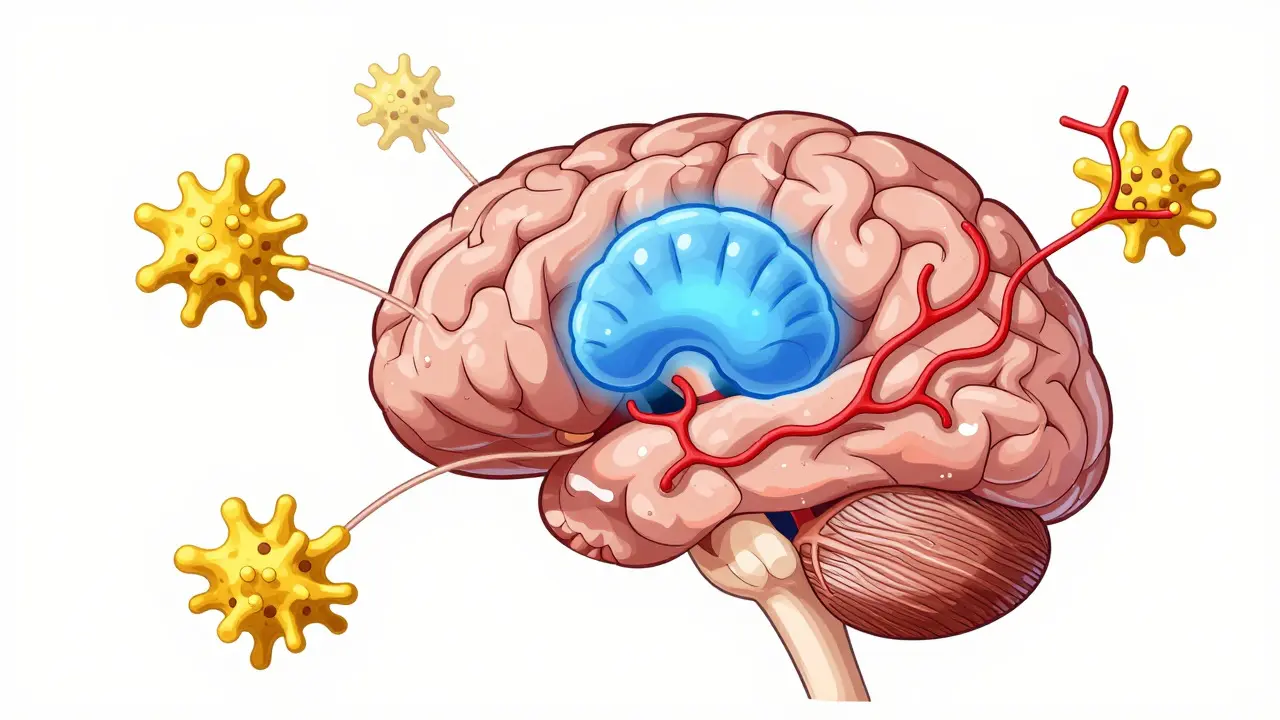
To understand why memory fades, we have to look inside the brain. Alzheimer’s is defined by two physical changes: amyloid-beta plaques and neurofibrillary tangles. Plaques are clumps of protein fragments that build up between nerve cells. Tangles are twisted fibers of tau protein that form inside cells. These structures disrupt communication between neurons, leading to cell death.
This damage starts in the hippocampus, the part of the brain critical for forming new memories. As the disease spreads to other areas, like the entorhinal cortex and frontal lobes, language, reasoning, and behavior follow. Crucially, these biological changes begin 15 to 20 years before any visible symptoms appear. This explains why early detection is so difficult-and why current treatments often feel like they arrive too late.
Decoding the Stages of Alzheimer’s
Doctors and researchers use staging frameworks to track progression. While every person’s journey is unique, the general trajectory follows a predictable pattern. The Mayo Clinic uses a five-stage model, while the NHS and Practical Neurology offer more granular views of cognitive decline. Here is how those stages translate into real life.
| Stage | Key Symptoms | Care Needs |
|---|---|---|
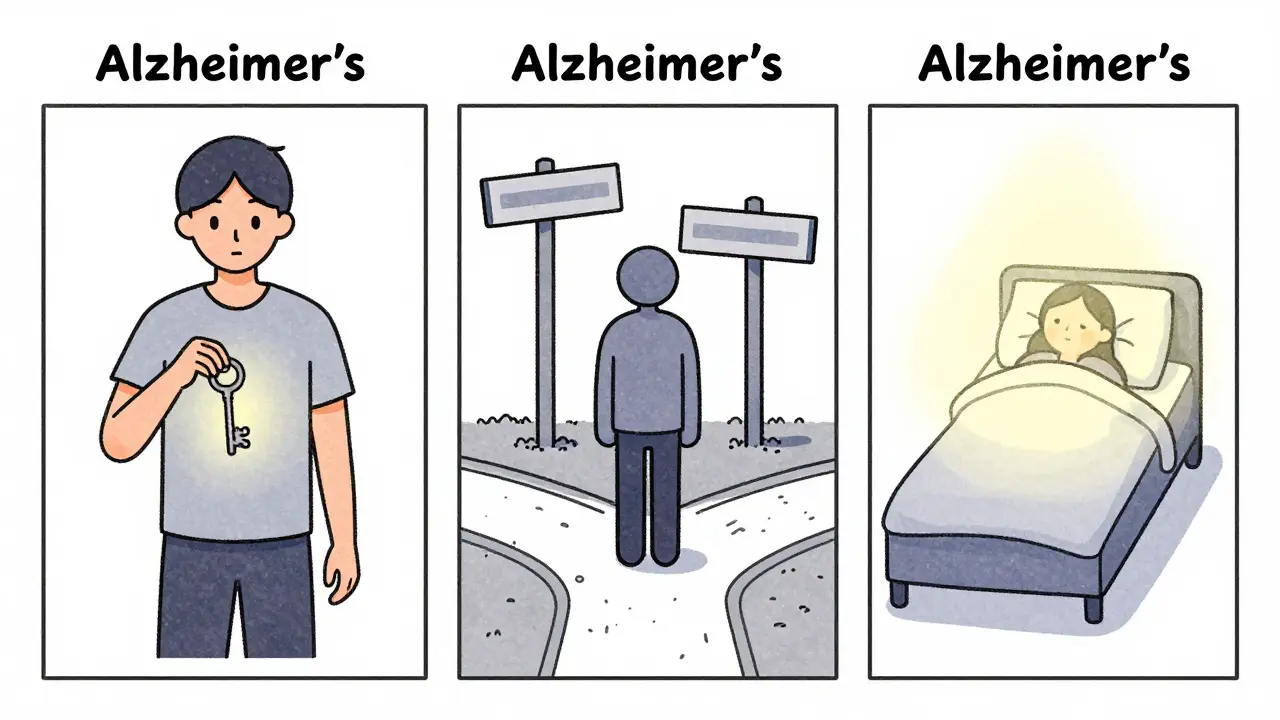
| Preclinical / Early Mild | Forgetting recent conversations, misplacing items, trouble finding words. Mood changes like anxiety may occur. | Minimal assistance. Focus on maintaining independence through reminders and routines. |
| Moderate (Middle) | Confusion about time/place, getting lost in familiar areas, repetitive questioning, behavioral changes (aggression, delusions), sleep disruption. | Significant help with daily activities (dressing, bathing). Safety-proofing home. Managing behavioral symptoms. |
| Severe (Late) | Loss of verbal communication, inability to control movement, loss of bowel/bladder control, becoming bedbound. | 24/7 care. Assistance with all activities of daily living. Comfort-focused care (pain management, pressure ulcer prevention). |
Early Stage: The Silent Shift
In the beginning, it’s subtle. A patient might forget a fact they just learned, especially recent events or names, but still recognize familiar faces. Formal testing reveals reduced word-list learning curves and lower-than-expected delayed recall. Family members often report repeated questions or frequent misplacement of keys or glasses. At this stage, individuals can often still drive, work, and socialize, though they may need emotional support for their growing frustration.
Middle Stage: The Longest Haul
This stage typically lasts the longest-often several years. It is also widely considered the most emotionally taxing for caregivers. Memory loss becomes severe, affecting both short-term and long-term recall. Patients may forget personal history details like their own address or phone number. Behavioral changes emerge: suspicion, delusions, aggression, or compulsive behaviors like hand-wringing. Sleep patterns disrupt, leading to nighttime wandering. As one caregiver noted on the Alzheimer’s Association forums, "Middle stage was hardest... she would accuse me of stealing her things daily and try to leave the house at 3am."”
Late Stage: Total Dependence
In the final stage, patients lose the ability to respond to their environment. They may become mute, unresponsive to verbal requests, and unable to walk or sit without support. Physical complications arise, including difficulty swallowing (dysphagia) and increased risk of infections like aspiration pneumonia. Care shifts entirely to comfort and dignity. Surprisingly, many caregivers report that while late-stage care is physically demanding, it is emotionally less draining than the middle stage because the complex behavioral challenges have subsided.
Treatment Options: Symptom Management vs. Disease Modification
For decades, treatment focused solely on managing symptoms. Standard-of-care drugs include cholinesterase inhibitors (such as donepezil, rivastigmine, and galantamine) and NMDA receptor antagonists (like memantine). These medications help maintain neurotransmitter levels, providing temporary relief from cognitive decline but doing nothing to stop the underlying disease process.
A major shift occurred in January 2023 when the FDA approved lecanemab (Leqembi), the first true disease-modifying therapy. Lecanemab targets amyloid plaques directly. In clinical trials, it showed a 27% reduction in cognitive decline over 18 months. Another drug, donanemab, is also under review. However, these treatments come with caveats. They require regular MRIs to monitor for ARIA (amyloid-related imaging abnormalities), which occurred in 12.5% of lecanemab trial participants. Additionally, access remains limited due to cost and infrastructure requirements.
Survival Guide for Caregivers
Caring for someone with Alzheimer’s is a marathon, not a sprint. The emotional toll is immense: 39% of dementia caregivers rate their stress as high or very high, and 30% report significant physical strain. On average, family caregivers spend 27 hours per week providing care. Here is how to protect your well-being while providing effective support.
Communication Strategies by Stage
- Early Stage: Use gentle reminders and written notes. Engage them in conversation about recent events to stimulate memory pathways.
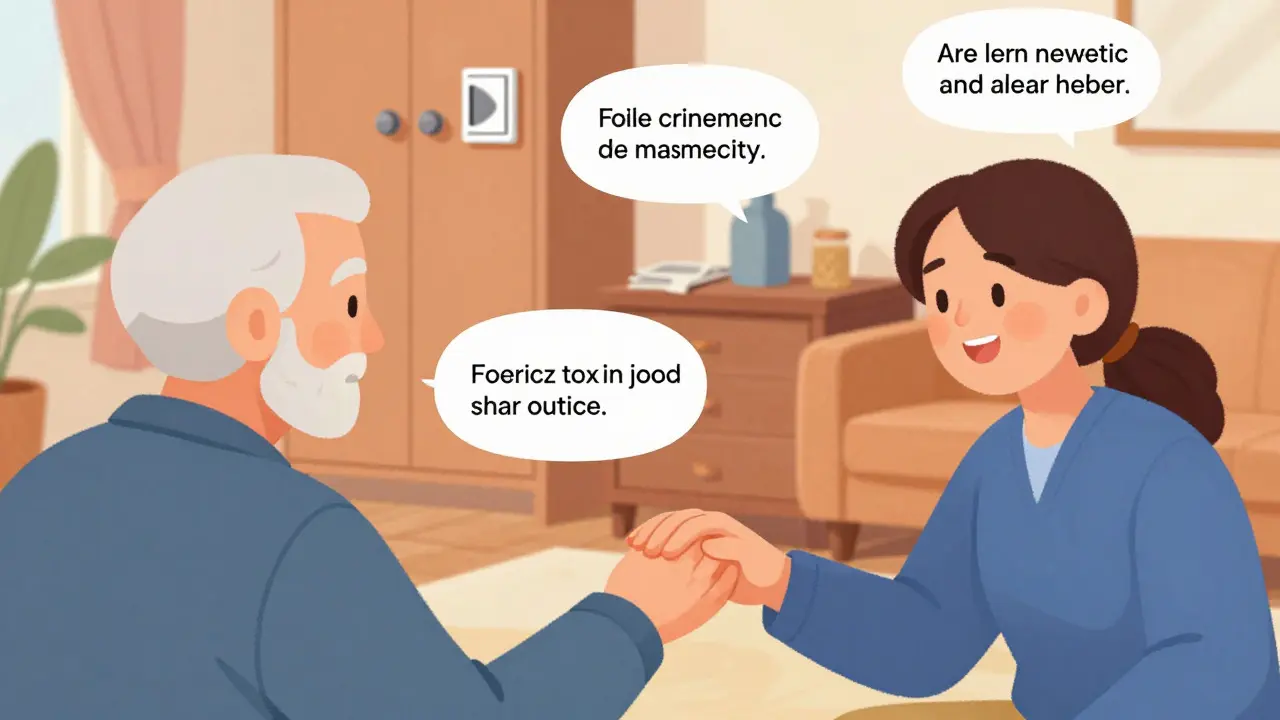
- Middle Stage: Avoid confrontation. If they ask a question they’ve asked ten times, answer calmly again. Use simple, one-step instructions. Validation therapy-accepting their reality rather than correcting facts-reduces agitation.
- Late Stage: Rely on nonverbal communication. Touch, eye contact, and tone of voice matter more than words. Music therapy can often reach patients even when speech has failed.
Safety and Home Modifications
As confusion increases, the home must adapt. Remove tripping hazards, install locks on cabinets containing cleaning supplies or medications, and consider door alarms to prevent wandering. In the late stage, focus on preventing pressure ulcers by changing positions regularly and managing dysphagia with modified diets.
Utilizing Support Systems
You cannot do this alone. Sixty-one percent of home caregivers utilize respite care services. Medicare covers up to 5 days of inpatient respite care per benefit period for hospice-eligible patients. Join local support groups or online communities. Sharing experiences with others who understand the unique grief of "ambiguous loss"-losing a person while they are still alive-is invaluable.
Looking Ahead: Early Detection and Equity
Research is moving rapidly toward earlier intervention. Experts predict that within five years, blood tests will detect Alzheimer’s pathology with 95% accuracy, allowing treatment before significant cognitive decline occurs. However, equity remains a challenge. Current biomarker tests cost $3,000 to $5,000, making them inaccessible to many globally. As Dr. Kenzie Donnan of the University of Toronto cautions, "We must address the equity gap... making them inaccessible to most globally."”
Until universal access to advanced diagnostics and therapies becomes reality, knowledge and compassionate care remain our most powerful tools. Understanding the stages helps set realistic expectations. Preparing for the behavioral shifts reduces crisis moments. And prioritizing caregiver health ensures that love and patience last as long as possible.
What are the earliest signs of Alzheimer's disease?
The earliest signs typically involve short-term memory loss, such as forgetting recent conversations, misplacing common items, and repeating questions. You may also notice difficulty finding the right words, poor judgment in financial matters, and mood changes like increased anxiety or agitation. These symptoms are distinct from normal age-related forgetfulness because they interfere with daily life.
How long does each stage of Alzheimer's last?
There is no fixed timeline, as progression varies significantly by individual. Generally, the preclinical stage can last 15-20 years before symptoms appear. After diagnosis, people may live 4 to 8 years, though some survive 20+ years. The middle stage is usually the longest, lasting several years, while the late stage involves total dependence until death.
Can Alzheimer's disease be cured?
Currently, there is no cure for Alzheimer's disease. Treatments like cholinesterase inhibitors and memantine manage symptoms temporarily. Newer disease-modifying therapies like lecanemab (Leqembi) target amyloid plaques and can slow cognitive decline by approximately 27% over 18 months, but they do not reverse existing damage or stop the disease entirely.
Why is the middle stage of Alzheimer's considered the hardest for caregivers?
The middle stage is often the most challenging due to pronounced behavioral changes. Patients may exhibit aggression, delusions, suspicion, repetitive behaviors, and sleep disruptions. They require significant assistance with daily activities like dressing and bathing, yet may resist care. This combination of physical demands and emotional complexity leads to high stress levels for caregivers.
What is ARIA, and why is it important for patients taking Leqembi?
ARIA stands for Amyloid-Related Imaging Abnormalities. It refers to swelling or micro-bleeding in the brain that can occur as a side effect of anti-amyloid treatments like lecanemab. About 12.5% of participants in clinical trials experienced ARIA. Most cases are mild and resolve on their own, but regular MRI monitoring is required to detect and manage these risks promptly.
How can I make my home safer for someone with moderate Alzheimer's?
Focus on reducing confusion and preventing accidents. Install locks on cabinets containing hazardous items like cleaning supplies or sharp objects. Use door alarms to alert you if the patient wanders. Remove tripping hazards like loose rugs. Label drawers and doors clearly with pictures or words to aid recognition. Ensure good lighting throughout the house to reduce shadows that may cause visual misinterpretation.
What is validation therapy, and how does it help?
Validation therapy involves accepting the patient's reality rather than correcting their false beliefs or memories. Instead of arguing that "your mother died ten years ago," you might say, "Tell me about your mother." This approach reduces anxiety and agitation by acknowledging the patient's feelings, fostering connection rather than conflict during the middle stages of the disease.
Are there blood tests available for Alzheimer's diagnosis now?
While highly accurate blood tests are expected within the next five years, they are not yet standard clinical practice for widespread diagnosis. Currently, diagnosis relies on clinical evaluation, cognitive testing, and sometimes PET scans or CSF analysis. Emerging blood tests show promise in detecting amyloid and tau proteins with high accuracy, potentially revolutionizing early detection.