
Yohimbe Safety Checker
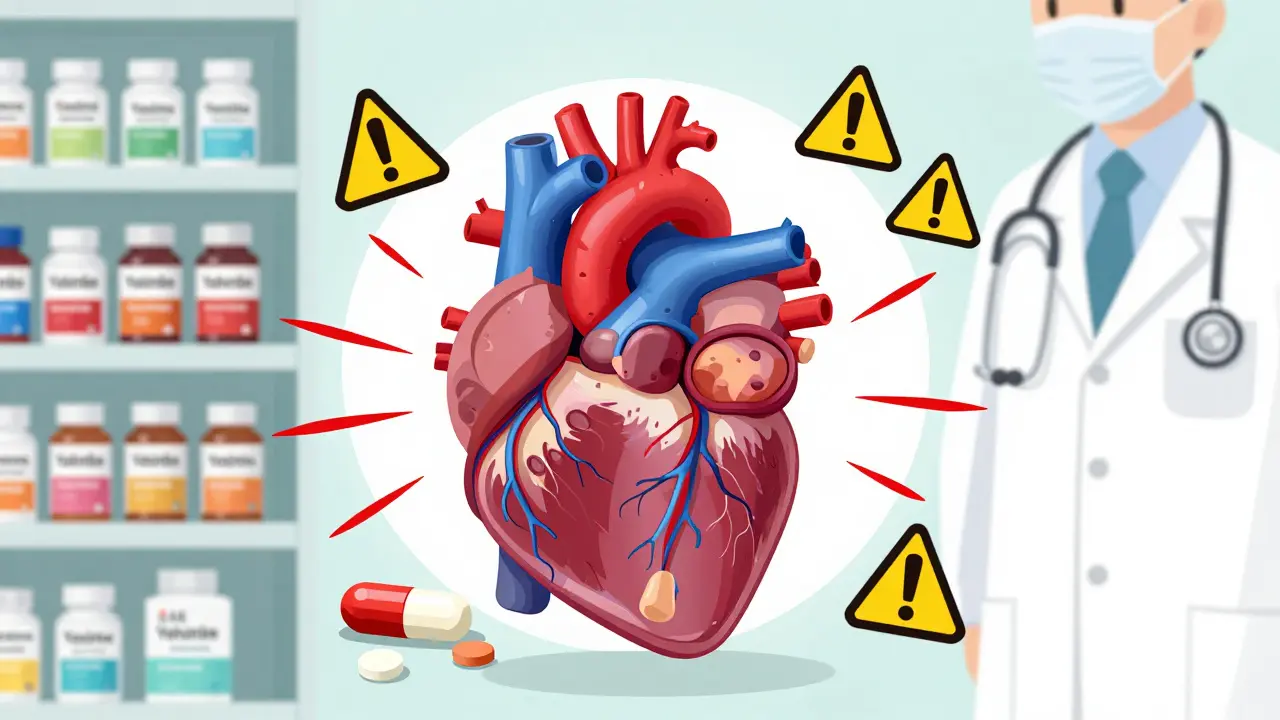
Yohimbe can dangerously interact with blood pressure medications. This tool helps you determine if your specific medication could interact with yohimbe.
When you’re trying to improve your energy, sex drive, or lose weight, it’s easy to be drawn to supplements that promise quick results. One of them is yohimbe-a bark extract sold as a natural remedy. But if you’re taking medication for high blood pressure, this supplement isn’t just risky-it could be life-threatening.
What Exactly Is Yohimbe?
Yohimbe comes from the bark of a tree native to West Africa. Its active ingredient, yohimbine, was first isolated in 1896 and later approved by the FDA in 1989 as a prescription drug for erectile dysfunction. But today, it’s mostly sold as an over-the-counter supplement. Companies market it for weight loss, athletic performance, and sexual health. Yet there’s little solid science backing those claims.
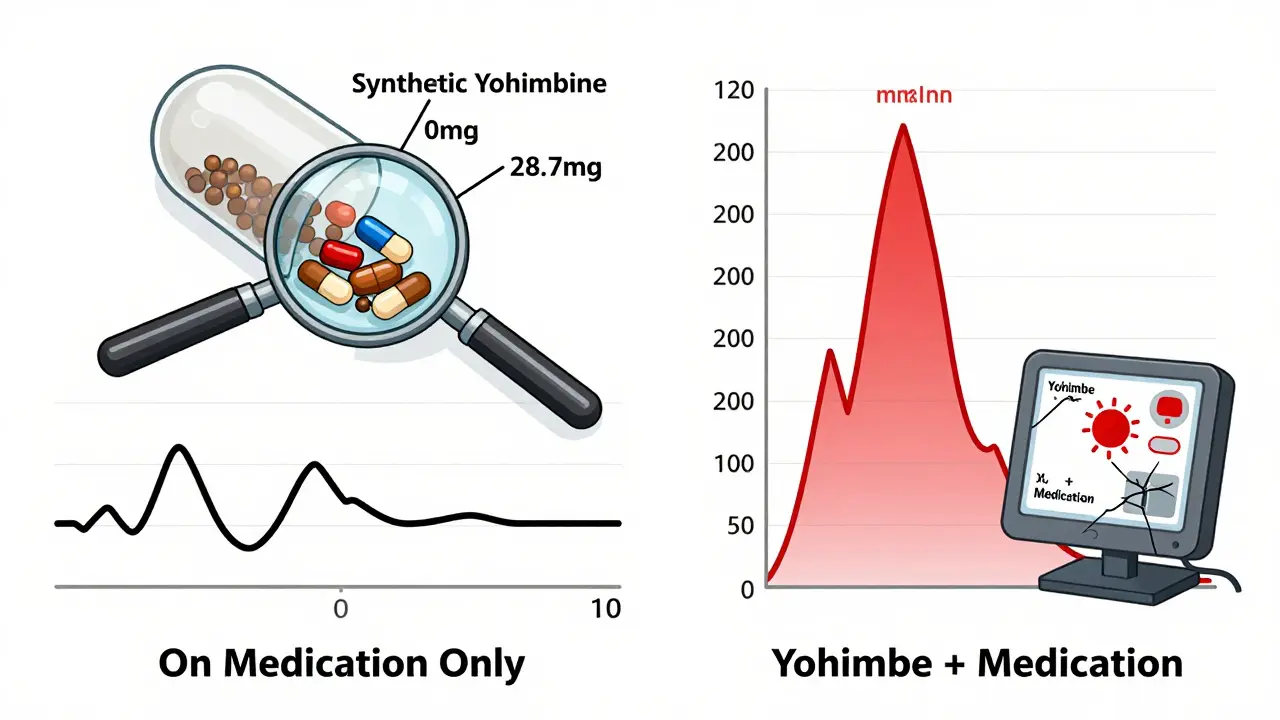
What’s worse, the amount of yohimbine in these supplements varies wildly. A 2015 analysis of 49 U.S. brands found some contained no yohimbine at all, while others had over six milligrams per serving-far more than the labeled 5 mg. Worse still, 30% of products didn’t even use natural yohimbe; they added synthetic yohimbine to cut costs. This means you never know how much you’re actually taking.
How Yohimbe Affects Your Blood Pressure
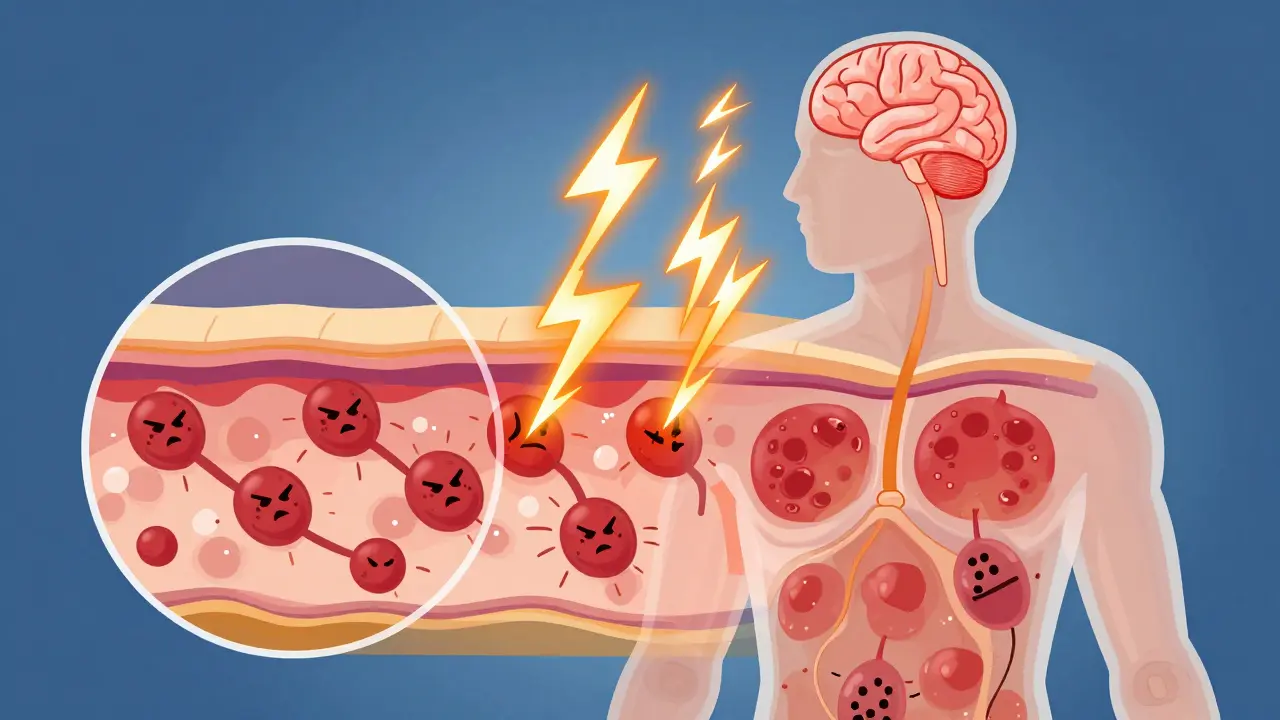
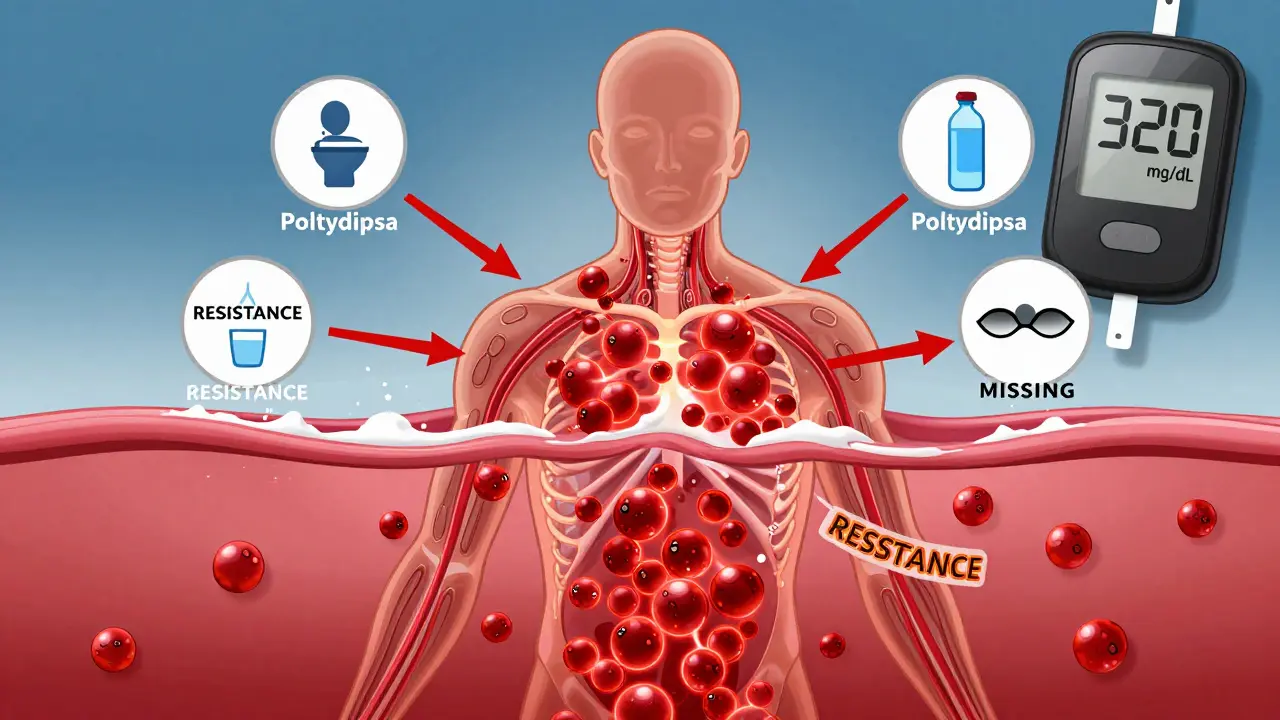
Yohimbine works by blocking alpha-2 receptors in your nervous system. Normally, these receptors help keep your blood pressure in check by slowing down the release of norepinephrine-a hormone that tightens blood vessels and speeds up your heart. When yohimbine blocks them, norepinephrine floods your system. That causes your heart to race and your blood pressure to spike.
Studies show yohimbine can raise systolic blood pressure by 20 to 30 mmHg in people who are sensitive to it. That’s not a small jump. For someone with hypertension, that’s the difference between a manageable reading and a hypertensive crisis.
One 2023 meta-analysis reviewed 34 studies and found that people taking blood pressure meds who used yohimbe were 4.7 times more likely to suffer a hypertensive crisis. That’s not a guess. That’s a statistically proven risk.
Why Combining Yohimbe With Blood Pressure Meds Is Dangerous
If you’re on medication to lower your blood pressure, yohimbe doesn’t just add risk-it directly fights your treatment.
Take clonidine (Catapres), for example. It works by stimulating alpha-2 receptors to calm your nervous system and lower blood pressure. Yohimbine does the exact opposite-it blocks those same receptors. When taken together, they cancel each other out. The result? Blood pressure can surge by 30 to 50 mmHg in a matter of hours.
This isn’t theoretical. The Mayo Clinic’s 2025 drug database lists yohimbe as interacting dangerously with 12 major classes of blood pressure medications:
- Beta-blockers (like metoprolol and atenolol)
- ACE inhibitors (like lisinopril and enalapril)
- Calcium channel blockers (like amlodipine and diltiazem)
- Diuretics (like hydrochlorothiazide)
- Alpha-2 agonists (like guanfacine and guanabenz)
And it doesn’t stop there. Yohimbine also interacts with antidepressants like amitriptyline and venlafaxine, which increase norepinephrine levels. A 2022 study documented 17 cases of emergency room visits due to severe hypertension (systolic BP over 180 mmHg) after people combined these drugs with yohimbe.
Real Stories, Real Consequences
Behind the numbers are real people who got hurt.
On WebMD, 87% of 214 users with high blood pressure who tried yohimbe reported negative effects. Over 60 of them described sudden, dangerous spikes in blood pressure. One Reddit thread titled “Yohimbe nearly killed me while on lisinopril” had 147 comments-32 people shared how their systolic pressure soared past 200 mmHg after taking the supplement.
The California Poison Control System tracked yohimbe-related calls from 2000 to 2007. In 78% of those cases, medical intervention was needed. Most were under 40 years old-much younger than the typical hypertension patient. That means even people who think they’re “fine” or “young and healthy” aren’t safe.
What the Experts Say
The American Heart Association called yohimbe a “high-risk” supplement for people with heart conditions. Their 2022 report cited 43 documented cases of dangerous blood pressure spikes between 2015 and 2021.
Dr. David Kiefer from the University of Arizona put it bluntly in a 2023 JAMA review: “Yohimbe represents one of the most dangerous herbal supplements for patients with hypertension due to its unpredictable dose-response relationship and significant interaction potential.”
The FDA has issued two public health warnings since 2010. The most recent, in March 2021, cited 127 adverse events-including 19 hospitalizations for hypertensive crisis. In January 2023, the FDA recalled 17 yohimbe brands after testing showed some products contained nearly six times the labeled dose.
Why You Can’t Trust Supplement Labels
ConsumerLab.com tested 25 yohimbe products in 2022. Two-thirds failed accuracy standards. Some had 200% less yohimbine than claimed. Others had 400% more. One product labeled as 5 mg actually contained 28.7 mg.
That’s not a mistake. That’s a gamble with your life. You can’t know what you’re taking. You can’t predict how your body will react. And if you’re on blood pressure meds, even a single pill could trigger a stroke or heart attack.
What Should You Do?
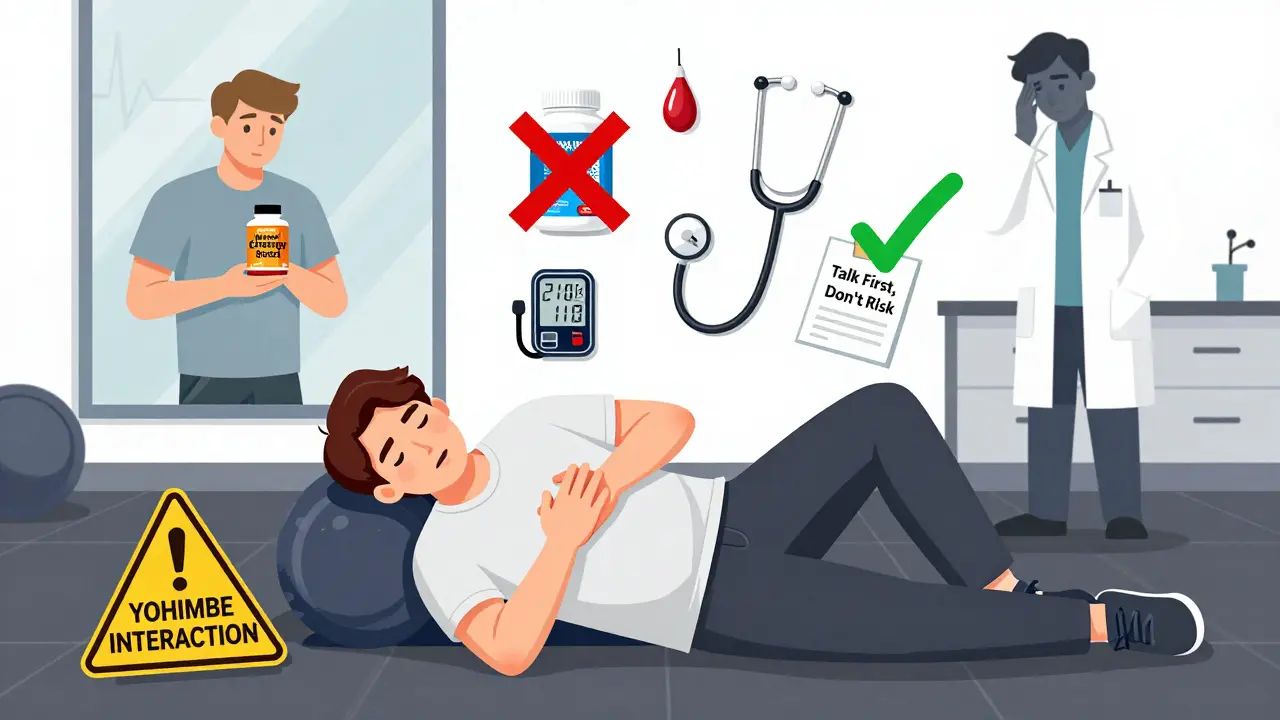
If you’re taking any medication for high blood pressure, heart disease, or arrhythmia-avoid yohimbe completely.
Even if you think you’re healthy, even if you’ve taken it before without problems, the risk is too high. The variability in dosing, the lack of regulation, and the deadly interaction potential make it a no-go.
If you’re already using yohimbe, stop. Talk to your doctor. Don’t just quit cold turkey-some people experience withdrawal symptoms like anxiety or mood swings. Your provider can help you taper safely.
And if you’re thinking about starting it? Ask yourself: Is a temporary boost in energy or libido worth risking a heart attack? The answer should be obvious.
Regulatory Trends and What’s Coming
Yohimbe is banned in Canada, Australia, and most of Europe. The European Medicines Agency banned it in 2018. Health Canada followed in 2020. In the U.S., it’s still legal-but under heavy scrutiny.
The FDA’s 2023-2025 enforcement plan lists yohimbe as a “high-risk supplement.” Draft guidance released in August 2023 proposes mandatory warning labels: “WARNING: May cause dangerous increases in blood pressure, especially when taken with blood pressure medications. Not for use by persons with heart disease or hypertension.”
Market analysts predict U.S. yohimbe sales will drop 18-22% per year through 2027. As more people get hurt and more doctors speak up, the tide is turning.
For now, the safest choice is simple: don’t take it. Your heart doesn’t need the risk.
Can yohimbe raise blood pressure even if I don’t have hypertension?
Yes. Even people without diagnosed high blood pressure can experience dangerous spikes after taking yohimbe. Studies show it can raise systolic pressure by 20-30 mmHg in sensitive individuals. This can push someone from a normal reading into the hypertensive range, increasing the risk of stroke, heart attack, or arrhythmia.
Is there a safe dose of yohimbe for people on blood pressure meds?
No. There is no safe dose. Even 5 mg of yohimbine has triggered hypertensive emergencies in people taking common blood pressure medications like lisinopril or metoprolol. The interaction is unpredictable, and the risk is not worth taking. Experts recommend complete avoidance.
What are the signs I’ve had a bad reaction to yohimbe?
Watch for sudden symptoms like a pounding headache, chest pain, rapid heartbeat (over 100 bpm), dizziness, blurred vision, or shortness of breath. These can indicate a hypertensive crisis. If you’re taking yohimbe and experience any of these, seek emergency care immediately. Don’t wait.
Are there safer alternatives to yohimbe for weight loss or sexual health?
Yes. For weight loss, focus on proven methods: balanced nutrition, regular exercise, and sleep hygiene. For sexual health, consult your doctor. FDA-approved treatments like sildenafil (Viagra) or lifestyle changes (improving circulation, managing stress) are far safer and better studied than unregulated supplements. There’s no shortcut that justifies risking your heart.
Why is yohimbe still sold in the U.S. if it’s banned elsewhere?
The U.S. regulates dietary supplements differently than prescription drugs. Under the Dietary Supplement Health and Education Act (DSHEA), manufacturers don’t need FDA approval before selling products-only after harm is proven. That means yohimbe stays on shelves until enough people get hurt and the FDA acts. That’s why it’s still available, despite being banned in Canada, Australia, and most of Europe.
If you’re managing blood pressure, your health is too important to gamble on unregulated supplements. Stick to science-backed treatments. Talk to your doctor before adding anything new. And if you’ve been using yohimbe, don’t wait for a crisis to stop.




15 Comments