
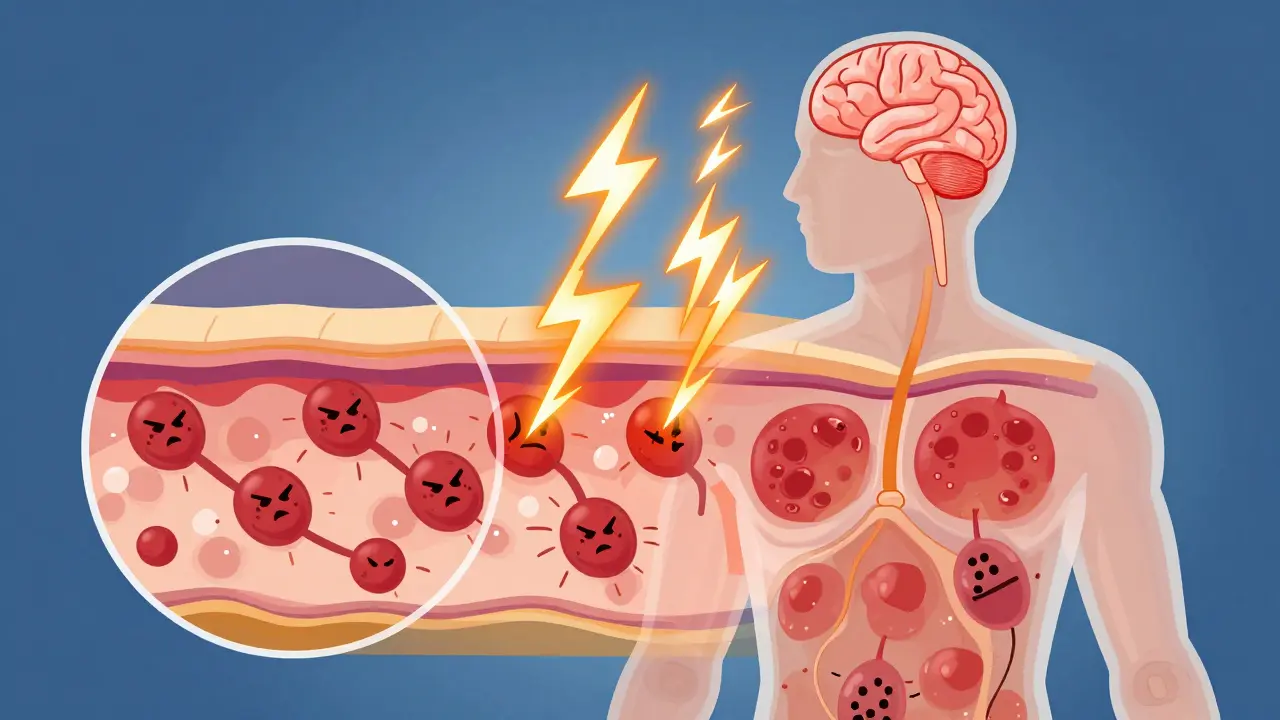
One moment your skin is manageable, and the next, thick red patches appear out of nowhere. If you live with psoriasis, a chronic autoimmune condition where the immune system speeds up skin cell growth, this sudden shift feels personal. It’s easy to blame yourself or think you did something wrong. But flare-ups usually have specific biological causes. Understanding what sets off your immune system isn’t just about comfort; it’s about control.
You don't need to guess why your skin reacts. Research shows that three main factors drive most flares: psychological stress, infections (especially viral and bacterial), and damage to your skin's protective barrier. By identifying which of these hits hardest for you, you can stop waiting for the next outbreak and start preventing it.
The Stress-Psoriasis Loop: More Than Just "In Your Head"
Stress is widely reported as the number one trigger for psoriasis flares. But it’s not just about feeling anxious. When you are stressed, your body releases cortisol and other inflammatory chemicals. These chemicals activate the "fight-or-flight" response, which directly stimulates the immune cells involved in psoriasis.
This creates a vicious cycle. Dr. Peter Lio from Northwestern University explains that the onset of psoriasis causes stress, which then causes more psoriasis. It’s a bidirectional relationship. For example, a patient might experience a major life event-like losing a job or moving cities-and see their plaques spread within weeks. Even positive stress, like starting a new role, can spark a reaction because the body responds to change with inflammation.
- Cortisol spike: High stress levels increase cortisol, which disrupts immune balance.
- Inflammatory cytokines: Stress activates specific immune signals that tell skin cells to divide too fast.
- Barrier disruption: Chronic stress reduces the skin’s ability to hold moisture, making it easier for irritants to enter.
If you notice flares following high-pressure periods at work or home, stress is likely your primary trigger. Breaking this loop requires managing mental health as part of your skincare routine, not separate from it.
Infections: The Hidden Spark for Guttate and Plaque Psoriasis
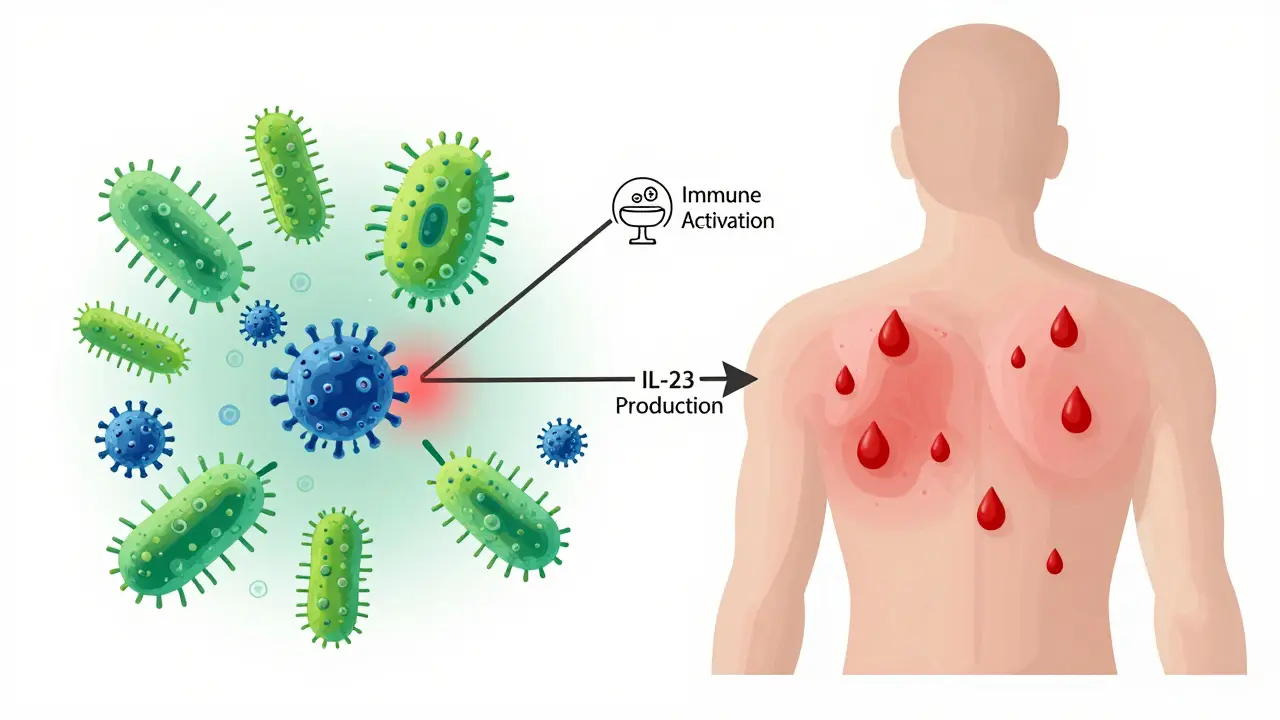
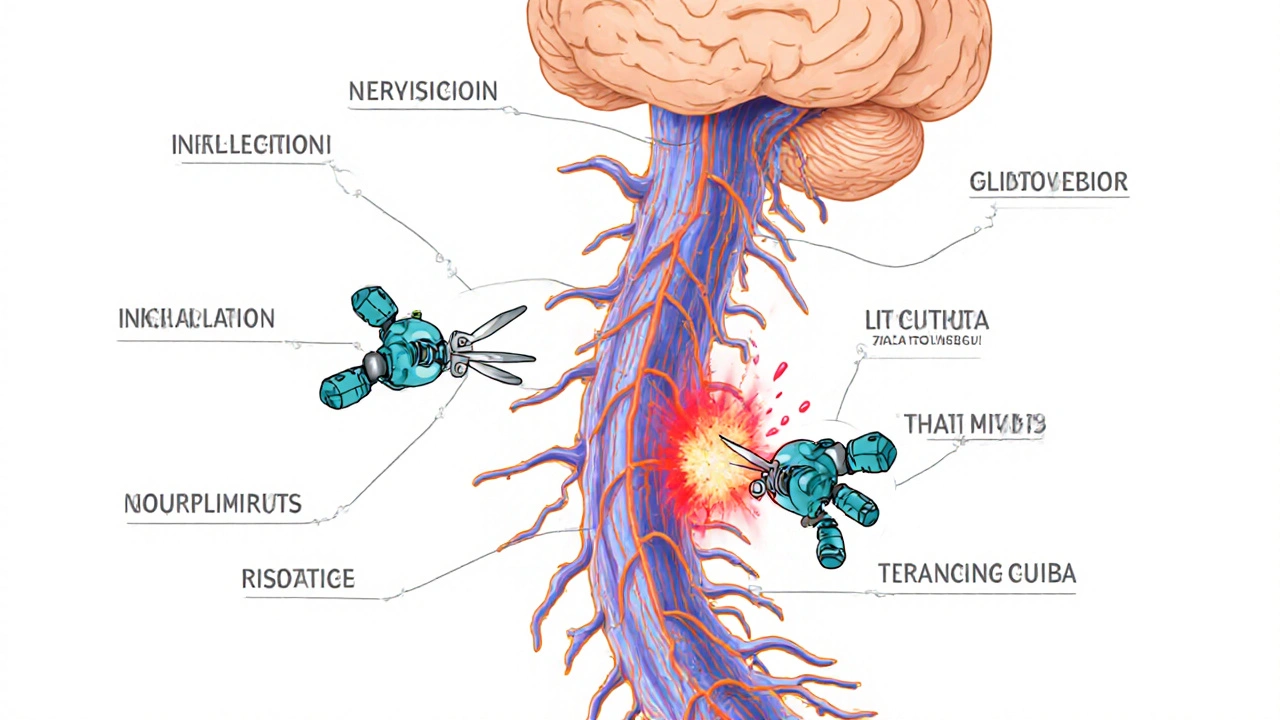
Infections are often overlooked as triggers until they cause a severe flare. Your immune system fights pathogens by ramping up its activity. In people genetically predisposed to psoriasis, this heightened state doesn't turn off when the infection clears. Instead, it attacks healthy skin cells.
Bacterial infections, particularly streptococcal bacteria causing strep throat or tonsillitis, are famous for triggering guttate psoriasis in children and young adults. This type appears as small, drop-like spots across the back, chest, and limbs. Viral infections also play a huge role. Colds, flu, and even COVID-19 can dysregulate the antiviral immune response. Specifically, viruses activate sensors in your cells (like RIG-I) that lead to the production of IL-23, a key protein in psoriasis development.
| Infection Type | Common Source | Potential Psoriasis Reaction |
|---|---|---|
| Streptococcal Bacteria | Strep throat, tonsillitis | Sudden onset of guttate psoriasis (small red drops) |
| Viral Respiratory | Flu, colds, COVID-19 | Worsening of existing plaque psoriasis |
| Skin Infections | Impetigo, cellulitis | Koebner phenomenon (new lesions at site) |
To mitigate this risk, prioritize hygiene. Regular handwashing, staying up-to-date on vaccinations (including the seasonal flu shot), and treating sore throats promptly can significantly reduce infection-triggered flares. Data suggests that flu vaccination alone can cut infection-related flare frequency by over a third.
Skin Barrier Care: Protecting Your First Line of Defense
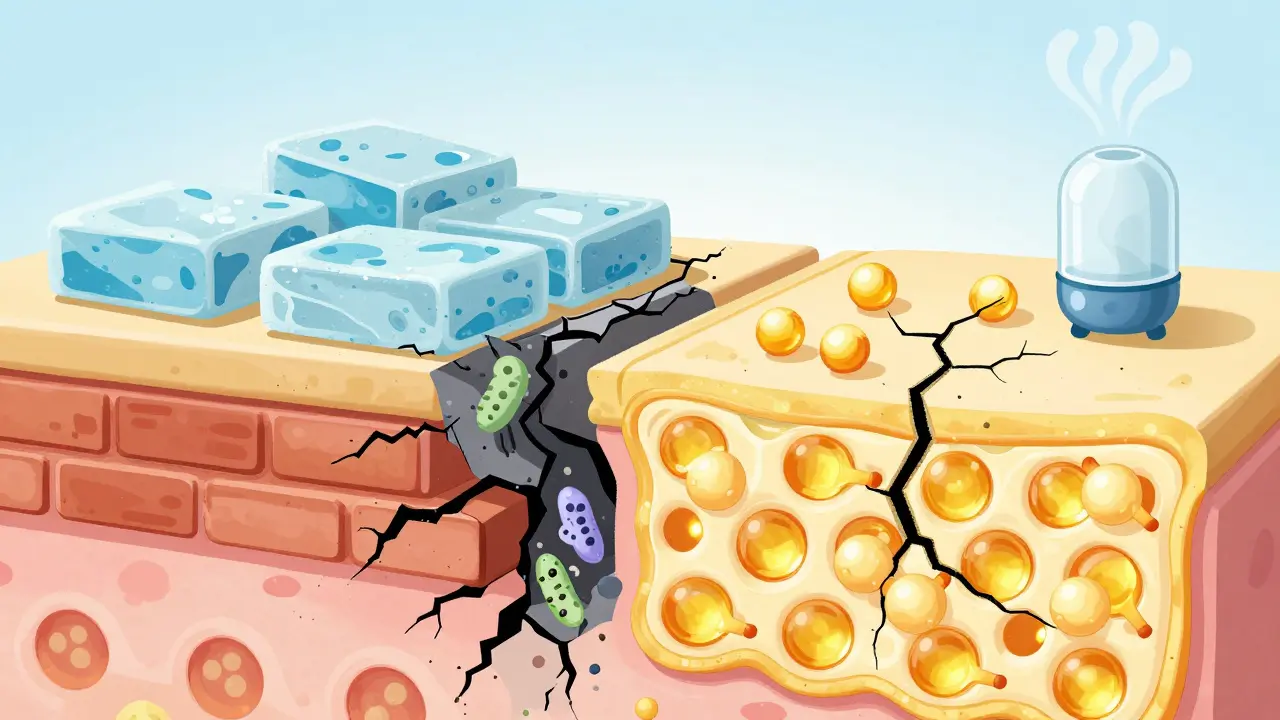
Your skin is not just a covering; it’s a fortress. The outer layer, called the stratum corneum, acts as a barrier against bacteria, allergens, and moisture loss. In psoriasis, this barrier is naturally defective. When it gets damaged further, it sends distress signals to the immune system, leading to inflammation.
This is known as the "barrier destruction-microbiota disturbance" cycle. When the barrier breaks down, harmful bacteria multiply on the skin surface. This imbalance triggers the release of antimicrobial peptides and pro-inflammatory cytokines like IL-17 and IL-22, which worsen psoriatic lesions.
How do you protect this barrier? Start with your cleanser. Many commercial soaps have a pH above 5.5, which strips natural oils and weakens the barrier. Switch to gentle, fragrance-free cleansers with a pH closer to 4.5-5.5. Next, moisturize aggressively. Look for creams containing ceramides, which are lipids that help rebuild the skin’s structure. Apply them at least twice daily, especially immediately after bathing while the skin is still damp.
Avoid harsh physical exfoliation. Scrubbing plaques might feel satisfying, but it causes micro-tears. These tiny injuries trigger the Koebner phenomenon, where new psoriasis patches form exactly where the skin was hurt. Even bug bites, sunburns, or paper cuts can start a new lesion if your barrier is compromised.
Environmental Factors: Weather and Lifestyle Impacts
While stress, infection, and barrier health are the big three, environment plays a supporting role. Cold, dry weather is a trigger for nearly 70% of patients. Low humidity sucks moisture from the skin, cracking the barrier. Conversely, warm, humid, and sunny weather often helps. Sunlight produces vitamin D and has anti-inflammatory effects on the skin. However, be careful: severe sunburn is a trauma that can trigger a massive flare via the Koebner phenomenon.
Lifestyle choices matter too. Smoking and excessive alcohol consumption are well-documented triggers. Alcohol increases inflammation and dehydrates the skin, weakening the barrier. Smoking introduces toxins that disrupt immune function. Weight gain is another factor; excess adipose tissue produces leptin and other hormones that promote systemic inflammation, making psoriasis harder to treat.
Practical Steps to Identify and Manage Your Triggers
Not every trigger affects everyone equally. One person might flare only after a cold, while another reacts solely to work deadlines. To find your pattern, keep a simple symptom diary for two months. Note down:
- Severity of skin symptoms (scale of 1-10).
- Stress levels that week.
- Any illnesses or antibiotics taken.
- Skin care products used.
Once identified, build a prevention plan:
- For Stress: Incorporate 20 minutes of mindfulness meditation daily. Studies show this can lower cortisol by 25% in eight weeks. Consider therapy if anxiety is high.
- For Infections: Wash hands frequently, avoid close contact with sick individuals during flu season, and get vaccinated.
- For Barrier Health: Use a humidifier indoors during winter to keep humidity between 40-60%. Moisturize with ceramide-rich creams twice daily. Wear long sleeves to protect against minor abrasions and insect bites.
Can stress really cause psoriasis if I didn't have it before?
Yes, stress can initiate psoriasis in people who are genetically susceptible. While genetics load the gun, environmental triggers like severe stress pull the trigger. A significant stressful event often precedes the first appearance of symptoms by less than a year.
What is the Koebner phenomenon?
The Koebner phenomenon is a process where new psoriasis lesions develop at sites of skin injury. This includes cuts, scrapes, bug bites, sunburns, and even scratching. It highlights why protecting the skin barrier is crucial for management.
Which infections are most likely to trigger a flare?
Streptococcal infections, such as strep throat, are the most common bacterial triggers, especially for guttate psoriasis in younger people. Viral infections like the flu, common cold, and COVID-19 are also frequent triggers due to the immune system's heightened inflammatory response.
How does the skin barrier relate to psoriasis?
A damaged skin barrier allows bacteria and irritants to penetrate deeper layers, signaling the immune system to attack. This leads to inflammation and rapid skin cell turnover. Maintaining barrier integrity with gentle cleansing and heavy moisturizing helps prevent this chain reaction.
Does weather affect psoriasis severity?
Yes, cold and dry weather typically worsens psoriasis by drying out the skin and damaging the barrier. Warm, humid, and sunny weather often improves symptoms, though severe sunburn can trigger a flare through skin trauma.




13 Comments