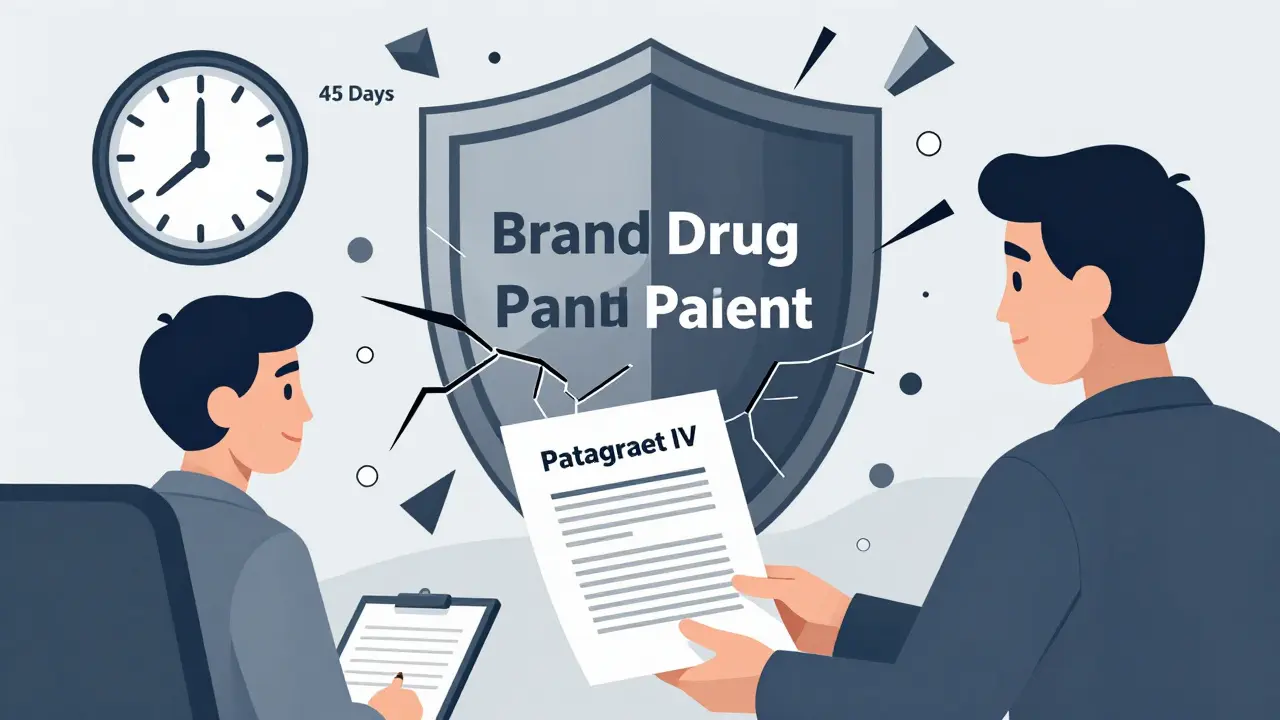
Paragraph IV certifications let generic drug makers challenge brand patents before launch, speeding up cheaper drug access. Since 1984, this system has saved consumers over $2 trillion.
Tag: generic drugs
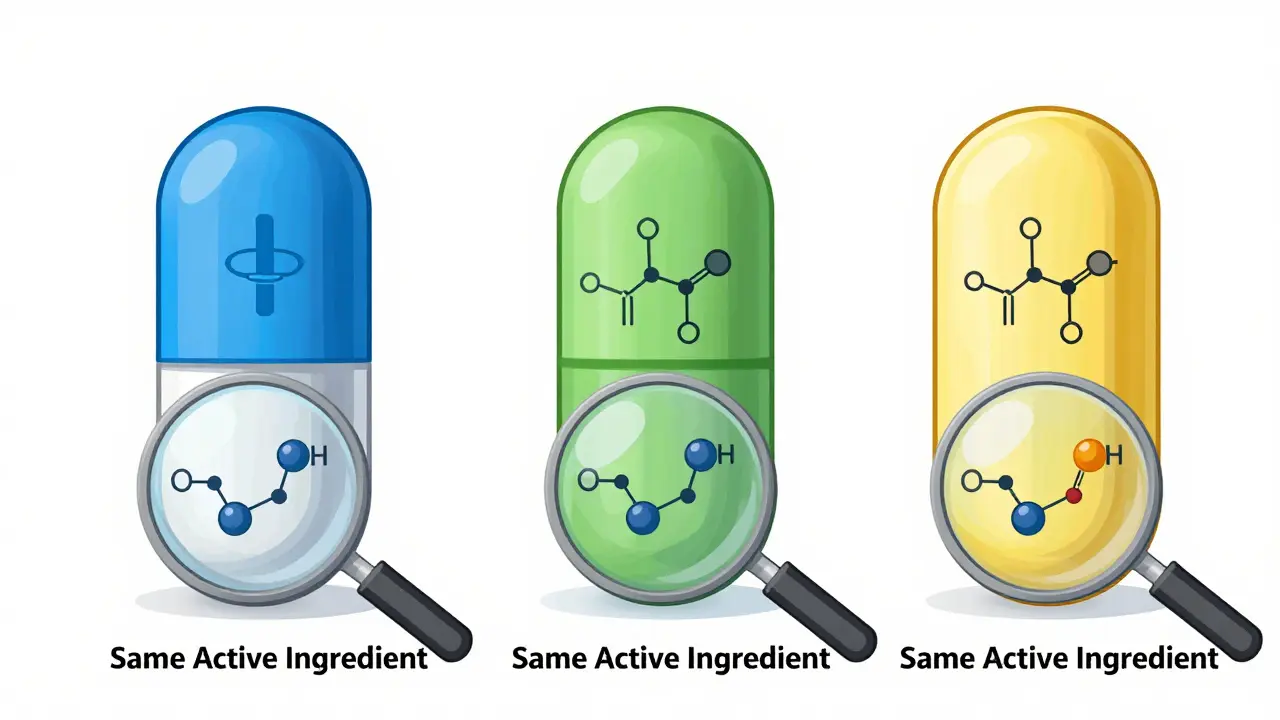
Generic drugs look different from brand-name pills because of trademark laws that prevent identical appearances. This ensures patient safety and market competition-all while delivering the same medical results at a fraction of the cost.

Modified-release formulations require special bioequivalence testing because how a drug is released matters as much as how much is in it. Learn why regulators use partial AUC, alcohol testing, and multi-pH dissolution to ensure generics work safely.
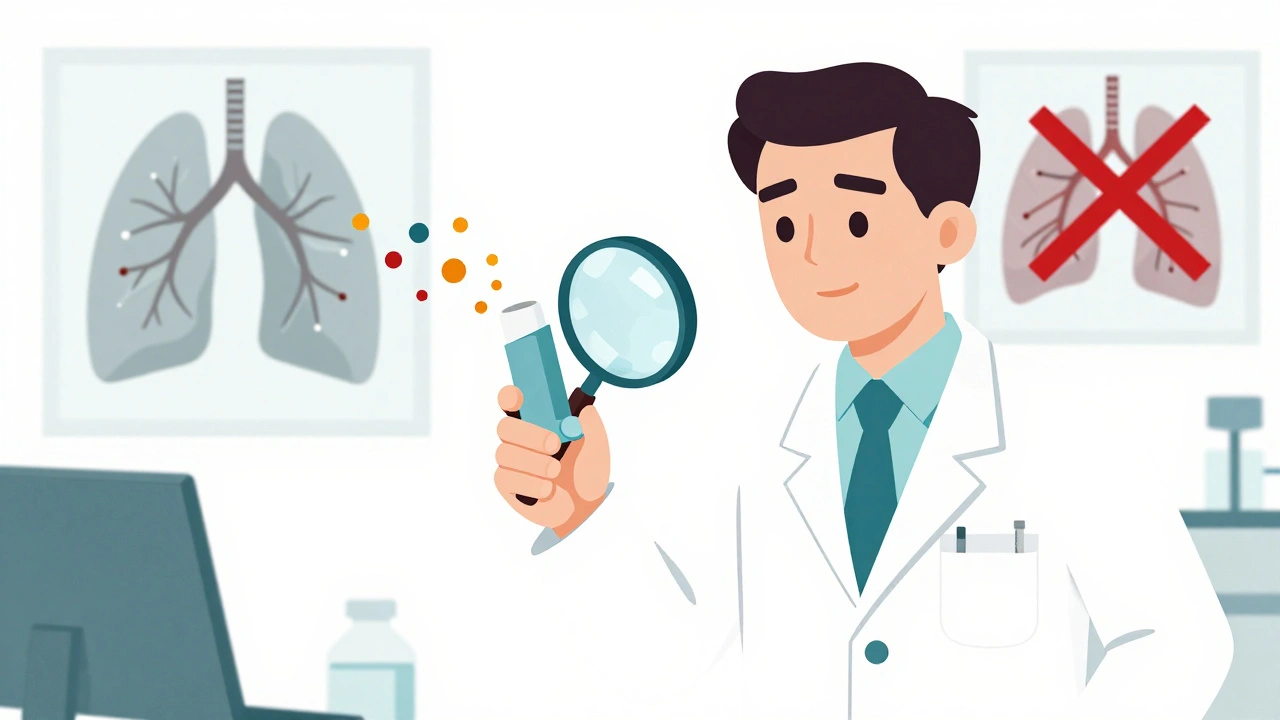
Proving bioequivalence for complex generic drugs like inhalers, creams, and injectables is far harder than for simple pills. Learn why traditional methods fail, how manufacturers reverse-engineer hidden formulas, and what new tools are helping bring these life-saving generics to market.