
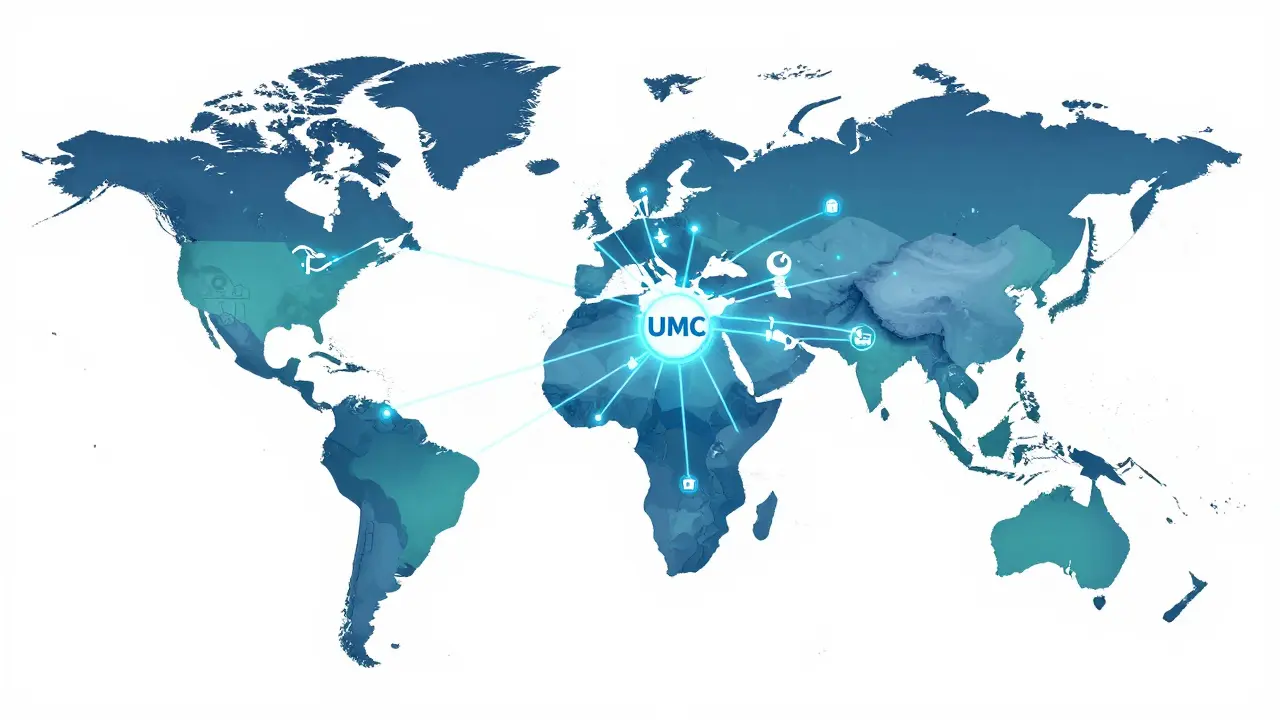
Have you ever wondered who checks if that new medication is actually safe after it leaves the pharmacy shelf? The answer isn't just your local doctor or a single government agency. It's a massive, interconnected web of international systems designed to catch hidden dangers before they hurt millions of people. This network, known as pharmacovigilance, is the science and activities relating to the detection, assessment, understanding and prevention of adverse effects or any other drug-related problem, works quietly in the background to keep global medicine use safe.
When a drug is approved, it has only been tested on thousands of people for a short time. Real-world usage involves millions of patients with different genetics, diets, and existing health conditions over many years. That’s where these monitoring systems come in. They detect rare side effects, interactions, and long-term risks that clinical trials simply missed. Understanding how this system works helps you see why reporting side effects matters and how global cooperation saves lives.
The Foundation of Global Drug Safety
The idea of watching medicines closely after they hit the market didn’t start recently. It began in 1963 when the World Health Assembly passed a resolution calling for systematic collection of data on serious adverse reactions. By 1968, this vision became reality with the launch of the WHO Programme for International Drug Monitoring (PIDM). This program created the first truly global network for tracking drug safety issues.
At the heart of this network sits the Uppsala Monitoring Centre (UMC) in Sweden. Designated as the WHO Collaborating Centre for International Drug Monitoring, UMC manages VigiBase, the world’s largest database of individual case safety reports. As of mid-2023, VigiBase held over 35 million reports from more than 170 countries. To put that growth in perspective, the database jumped from 5 million reports in 2012 to over 35 million just a decade later-a 700% increase. This explosion of data allows experts to spot patterns that would be invisible in any single country’s records.
The goal isn't just to collect data; it's to find "signals." A signal is information suggesting a new causal association between an adverse event and a drug. For example, early signals might reveal that a common painkiller increases heart attack risk in specific age groups. Once detected, regulators can update warnings, restrict use, or even withdraw the drug entirely. This proactive approach protects public health by ensuring the benefits of a medicine always outweigh its risks.
How the Data Flows: Standards and Systems
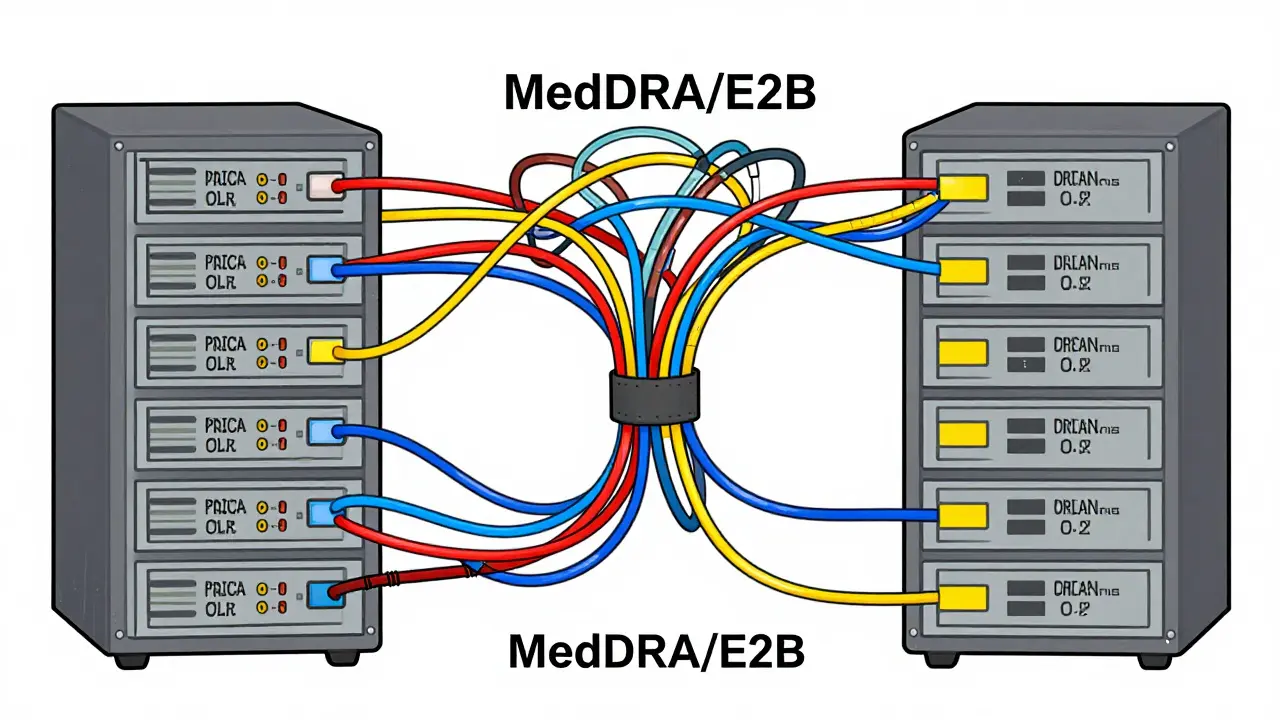
You might imagine doctors emailing reports to a central office, but the modern system is far more sophisticated. It relies on strict technical standards to ensure data from Japan matches data from Brazil perfectly. Without standardization, comparing reports would be like trying to read a book written in ten different languages simultaneously.
The backbone of this digital infrastructure includes several key tools:
- E2B(R3) Standard: Developed by the International Council for Harmonisation (ICH), this format dictates exactly how electronic safety reports are structured. It ensures that when a hospital in Germany sends a report, the system in Sweden receives it in a usable format instantly.
- MedDRA: The Medical Dictionary for Regulatory Activities provides a standardized language for symptoms and diseases. Version 26.1 contains over 78,000 preferred terms organized into 27 system organ classes. This means "heart attack" and "myocardial infarction" are coded identically, preventing confusion during analysis.
- WHODrug Global: With over 300,000 medicinal product names across 60+ therapeutic classifications, this dictionary ensures that brand names and generic ingredients are correctly identified regardless of local naming conventions.
National centers feed into this system using various local platforms. Some integrate directly with electronic health records, while others use specialized applications like PViMS (Pharmacovigilance Monitoring System). These tools allow healthcare providers to submit safety events in real-time, drastically reducing the lag between a patient experiencing a side effect and the data becoming available for analysis.
Regional Differences: EU vs. US vs. WHO
While the WHO PIDM provides a global umbrella, regional systems operate with different rules and speeds. Understanding these differences explains why some safety issues are addressed faster in certain parts of the world.
| Feature | WHO PIDM / VigiBase | EU EudraVigilance | US FDA FAERS |
|---|---|---|---|
| Coverage | 170+ Countries | 30 Member States | United States Only |
| Regulatory Power | Voluntary Network (Signal Detection) | Legally Binding Mandates | Legally Binding Mandates |
| Annual Reports | ~4 Million New | ~1.2 Million | ~2 Million |
| Submission Timeline | Varies by Country | Within 15 Days | Within 15 Days (Serious) |
| Key Strength | Global Signal Detection | Speed & Active Surveillance | Large Volume Data |
The European Union’s EudraVigilance system stands out for its speed. Under Regulation (EC) No 726/2004, companies must submit reports within 15 calendar days. The Pharmacovigilance Risk Assessment Committee (PRAC) assesses priority signals within 60 days, leading to 92% of signals being evaluated within 75 days. In contrast, the global average assessment time is closer to 120 days. The EU also leverages active surveillance, using electronic health records from 150 million patients to boost signal detection sensitivity by 37% compared to spontaneous reporting alone.
The U.S. FDA Adverse Event Reporting System (FAERS) handles about 2 million reports annually. While it operates independently, it does contribute data to VigiBase. However, lack of direct integration sometimes leads to delays in global signal sharing. Meanwhile, the WHO system excels in geographical breadth. Its wide net allowed it to detect region-specific issues, such as the increased risk of dengue hemorrhagic fever in seronegative populations following Dengvaxia vaccination, which was first flagged through reports from the Philippines in 2017.
The Reporting Gap: Who Gets Heard?
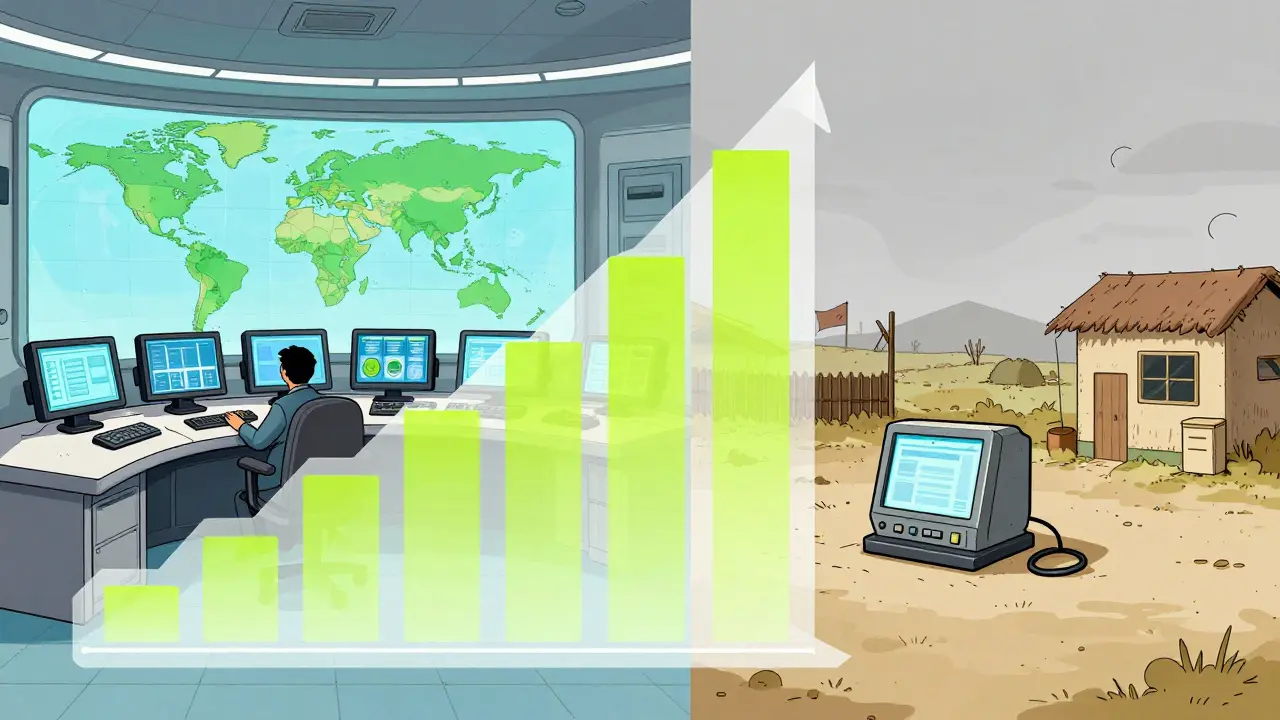
Here is the uncomfortable truth about global drug safety: not all voices are equal. High-income countries, representing just 16% of the global population, submit 85% of all reports to VigiBase. Sweden, for instance, reports 1,200 adverse events per 100,000 people annually. Nigeria, meanwhile, reports only 2.3 per 100,000.
This disparity creates blind spots. If a drug causes side effects primarily in tropical climates or among populations with specific genetic traits common in low-income regions, those signals may go undetected until it’s too late. A WHO assessment found that only 42% of low- and middle-income countries have fully functional pharmacovigilance systems meeting Level 3 maturity benchmarks. Many remain at Level 1, meaning they have no formal system at all.
Resource constraints are the main culprit. High-income nations spend roughly $1.20 per capita on pharmacovigilance, while African nations average just $0.02 per capita. Training is another hurdle. WHO recommends 40 hours of specialized training for officers, yet a 2022 survey revealed that 68% of officers in Southeast Asia had received less than 15 hours. Even when technology is introduced, infrastructure fails. Ethiopia reduced reporting time from 90 days to 14 days after implementing PViMS in 2020, but connectivity issues still prevent 65% of health facilities from submitting regular reports.
Technology and Future Trends
The field is evolving rapidly. The global pharmacovigilance market, valued at $5.38 billion in 2022, is projected to reach $13.17 billion by 2030. This growth funds critical innovations. Artificial intelligence is now being used to sift through millions of reports, reducing false positive rates by 28% compared to traditional manual methods. AI algorithms can identify subtle patterns in unstructured text from patient forums or medical notes that human reviewers might miss.
Transparency is also increasing. Since launching VigiAccess in 2015, the public has been able to view anonymized data from VigiBase. Over 12 million unique visitors have accessed this platform, empowering patients and researchers to explore safety trends themselves. Additionally, the upcoming implementation of ISO IDMP standards aims to standardize product identification across 100+ data elements. This could improve cross-border data matching accuracy by 40%, making it easier to track drugs as they move through global supply chains.
Recent expansions show the network is growing despite challenges. Zanzibar joined in January 2024, Yemen in November 2022, and Ukraine reactivated its center in March 2023. The WHO Global Vaccine Safety Initiative has helped 45 low- and middle-income countries adopt electronic monitoring tools since 2020, cutting data transmission times from 60 days to just 7 days on average.
Why This Matters to You
International drug safety monitoring isn't just bureaucracy; it's your personal safety net. When you take a medication, you are part of a lifelong clinical trial managed by this global network. Your awareness and participation matter. If you experience unexpected side effects, reporting them through your national channel-whether it's the UK's Yellow Card Scheme, the FDA's MedWatch, or your local health ministry-feeds directly into this vital system.
By understanding how these systems work, you become a more informed consumer of healthcare. You know that safety is continuous, not static. You understand that global cooperation is essential because diseases and drug reactions do not respect borders. And you recognize that while gaps exist, the relentless pursuit of better data and faster responses continues to make our medicines safer every day.
What is the difference between pharmacovigilance and drug approval?
Drug approval happens before a medicine reaches the market, based on limited clinical trials involving thousands of participants. Pharmacovigilance begins after approval and continues throughout the drug's lifecycle. It monitors millions of real-world users to detect rare, long-term, or unexpected side effects that were not visible during the initial testing phase.
How can I report a side effect to the global system?
You cannot report directly to VigiBase. Instead, you should report to your national pharmacovigilance center. For example, in the US, use the FDA MedWatch portal. In the UK, use the MHRA Yellow Card Scheme. In the EU, contact your national competent authority. These national bodies then forward validated reports to the WHO Uppsala Monitoring Centre, where they enter the global database.
Why do high-income countries dominate the data?
High-income countries have robust infrastructure, dedicated funding, trained personnel, and legal mandates requiring healthcare providers to report adverse events. Low- and middle-income countries often lack budgets, internet connectivity, and trained staff. This imbalance means safety signals originating in poorer regions may be delayed or missed entirely.
What is a "signal" in drug safety?
A signal is new information that suggests a potential causal link between a drug and an adverse event. It is not proof of harm, but rather a hypothesis that requires further investigation. Signals can come from statistical analyses of large databases like VigiBase or from clusters of similar reports. Once validated, signals lead to regulatory actions like label updates or drug withdrawals.
Is my data anonymous when I report a side effect?
Yes. Individual Case Safety Reports (ICSRs) submitted to national centers and subsequently to VigiBase are stripped of personally identifiable information before being stored in the global database. Public access tools like VigiAccess display only aggregated, anonymized data to protect patient privacy while allowing transparency.
How fast do these systems react to dangerous drugs?
Reaction times vary. The EU PRAC assesses priority signals within 60 days, with 92% completed within 75 days. Globally, the average is around 120 days. However, immediate threats can trigger emergency reviews. For instance, the withdrawal of certain COX-2 inhibitors happened relatively quickly once strong signals emerged, demonstrating the system's ability to act decisively when evidence is clear.






9 Comments