Pregnancy Allergy Safety Selector
- Sedation Risk:
- Data Status:
- Note:
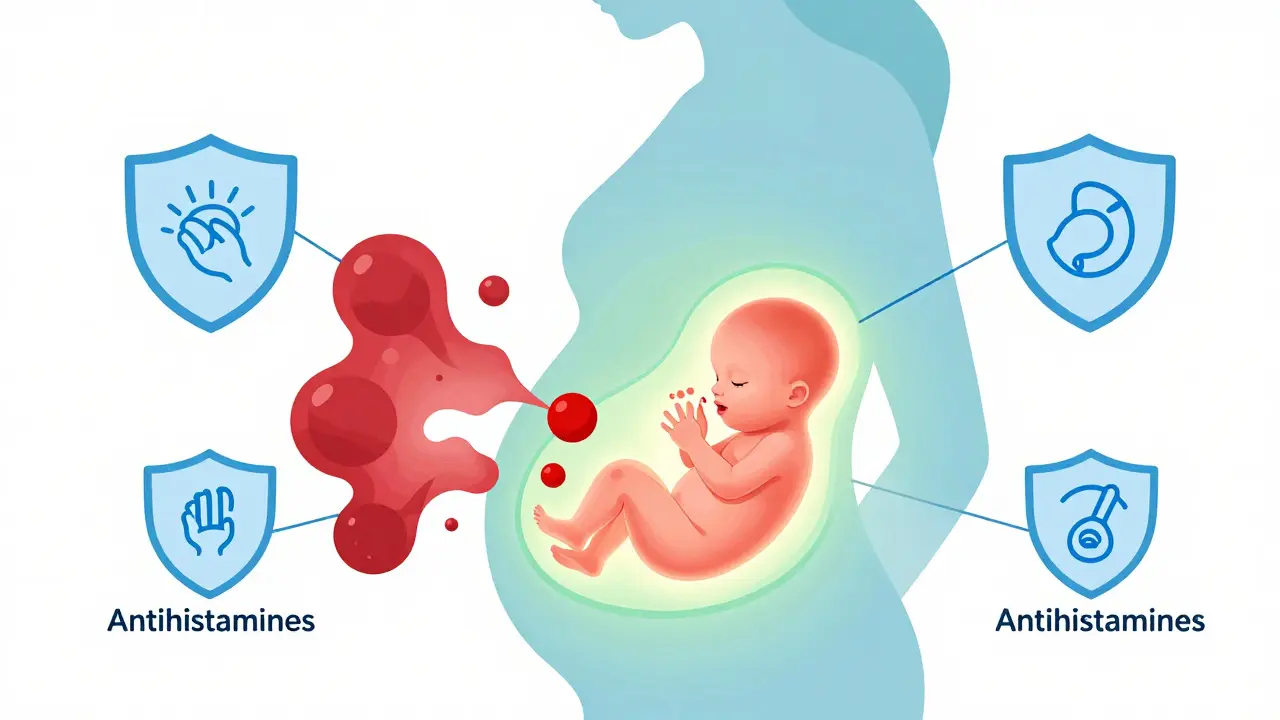
Allergies don't take a break just because you're expecting. In fact, hormonal shifts during pregnancy can sometimes make your symptoms worse. You might find yourself sneezing more, dealing with itchy eyes, or battling hives when you used to handle springtime with ease. The big question isn't whether you should treat these symptoms-it's how to do it without worrying about the baby.
Many people worry that taking any medication during pregnancy is risky. But ignoring severe allergic reactions can actually be dangerous for both you and your growing child. Poor sleep, stress from constant itching, and difficulty breathing can affect your health and, by extension, the baby's well-being. The goal here is simple: find the safest way to get relief so you can focus on enjoying this time.
Understanding Antihistamine Types
To make sense of what’s safe, we first need to look at how antihistamines work. These medications block histamine, the chemical your body releases during an allergic reaction. Not all antihistamines are created equal, though. They fall into two main groups based on how long they’ve been around and how they affect your brain.
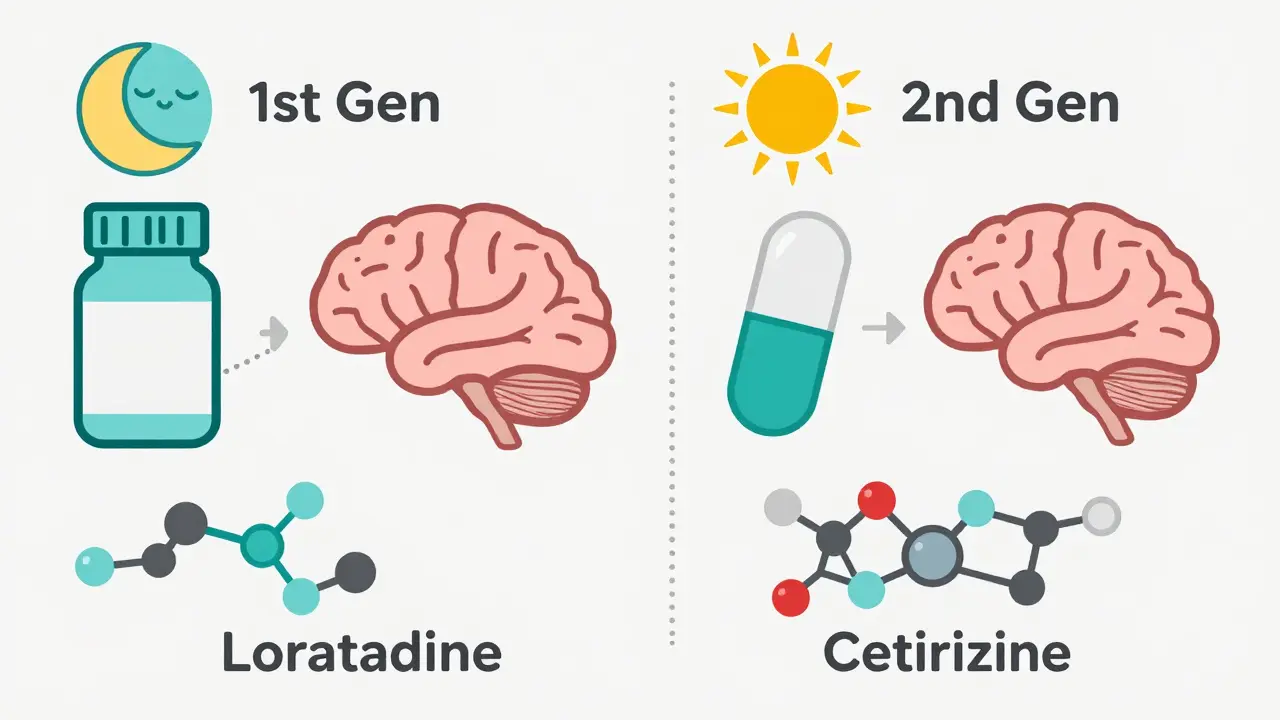
First-generation antihistamines are older drugs like diphenhydramine (Benadryl) and chlorpheniramine that have been used since the mid-20th century. Because they cross the blood-brain barrier easily, they often cause drowsiness. This sedation can help if allergies are keeping you awake, but it can also make you feel groggy during the day.
Second-generation antihistamines are newer options like loratadine (Claritin) and cetirizine (Zyrtec) designed to minimize drowsiness. They stay mostly out of the central nervous system, meaning you can usually go about your day feeling alert. While they haven’t been studied as long as their older cousins, current data suggests they are also very safe for use during pregnancy.
Which Antihistamines Are Safest?
If you’re looking for the gold standard of safety, you want medications with decades of human data behind them. That’s where first-generation antihistamines shine. According to guidance from the American College of Obstetricians and Gynecologists (ACOG), chlorpheniramine and dexchlorpheniramine have established safety profiles. Studies consistently show no significant increase in birth defects when these are used.
However, nobody wants to be sleepy all day if they don’t have to be. This is why many doctors now recommend second-generation antihistamines as the first line of defense. The Mayo Clinic and other major health organizations specifically point to loratadine and cetirizine as the most commonly recommended oral antihistamines for mild to moderate symptoms. Why? Because animal and human studies have been reassuring, showing no clear link to fetal harm, while offering the benefit of staying awake and functional.
| Medication Name | Generation | Sedation Risk | Safety Data Status |
|---|---|---|---|
| Diphenhydramine (Benadryl) | First | High | Extensive; considered safe |
| Chlorpheniramine | First | Moderate | Extensive; preferred by some guidelines |
| Loratadine (Claritin) | Second | Low | Reassuring; widely recommended |
| Cetirizine (Zyrtec) | Second | Low | Reassuring; widely recommended |
| Fexofenadine (Allegra) | Second | Low | Limited but reassuring data |
The Pseudoephedrine Warning
Here is where things get tricky. Many over-the-counter allergy pills combine an antihistamine with a decongestant called pseudoephedrine. This ingredient helps unclog a stuffy nose, but it comes with a specific warning for pregnant women.
Major medical organizations, including ACOG, advise against using pseudoephedrine during the first trimester (the first three months). Why? There is a small but noted risk of abdominal wall birth defects, such as gastroschisis, when taken during this critical period of development. If you are past the first trimester and have high blood pressure, you still need to be careful, as decongestants can raise blood pressure further. For those without hypertension, some guidelines suggest it may be considered in the second or third trimesters at low doses (30-60 mg every 4-6 hours), but only after checking with your doctor.
Managing Symptoms Beyond Pills
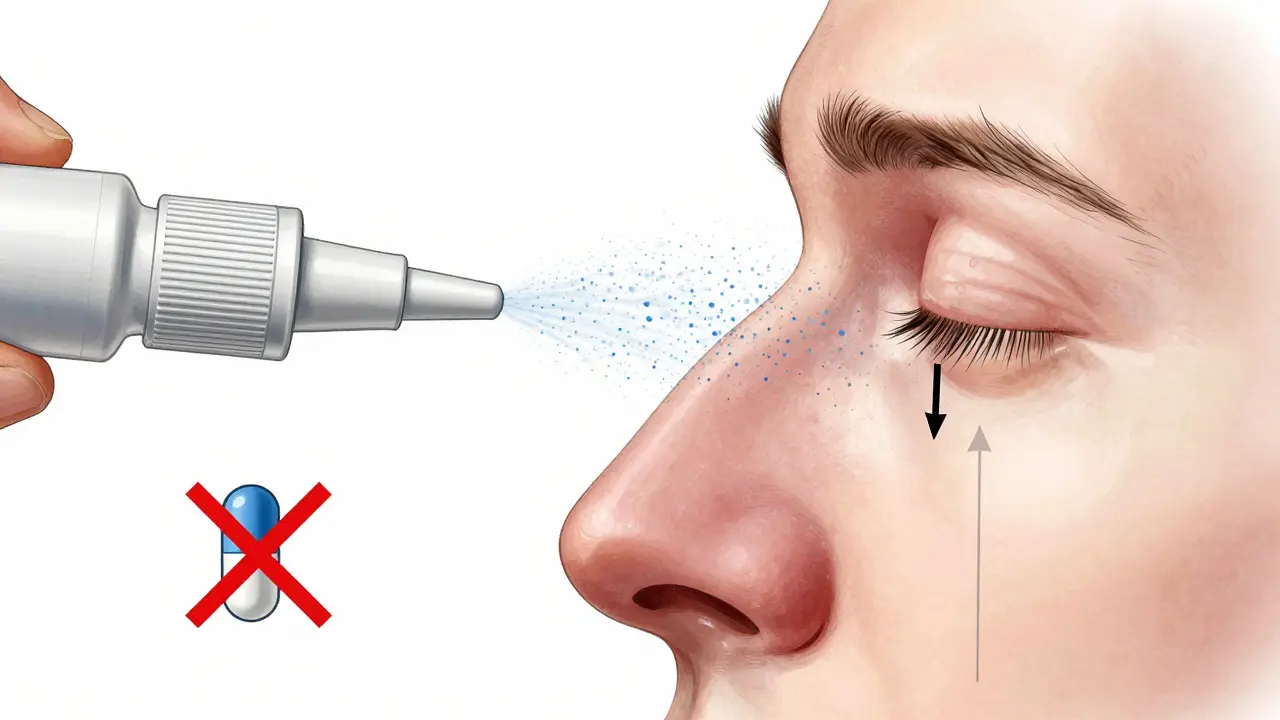
Oral antihistamines aren't your only tool. Sometimes, targeting the symptom directly can reduce the amount of medication you need to swallow. If nasal congestion and runny nose are your main issues, intranasal corticosteroids might be a better option.
According to the American Academy of Family Physicians (AAFP), steroid nasal sprays like budesonide, fluticasone, and mometasone are considered safe for use in any trimester. Because they act locally in the nose, very little of the drug enters your bloodstream, minimizing exposure to the fetus. For eye allergies, artificial tears can help flush out allergens without any medication at all.
When to Seek Help
You shouldn't have to guess whether your symptoms warrant treatment. If your allergies are affecting your ability to eat, sleep, or breathe comfortably, treatment is justified. Untreated asthma exacerbated by allergies can lead to reduced oxygen levels, which is harmful to the baby. Similarly, severe eczema or hives that cause intense itching can lead to skin infections if scratched excessively.
Always start with the lowest effective dose. Don't double up on medications thinking it will work faster. Stick to one type of antihistamine unless your doctor tells you otherwise. And remember, "natural" doesn't always mean safe. Some herbal supplements lack rigorous safety testing for pregnancy, so stick to FDA-approved medications with known safety profiles.
Consult Your Healthcare Provider
Every pregnancy is different. What worked for your sister or friend might not be the right choice for you, especially if you have other health conditions like thyroid issues or heart problems. Before starting any new medication, even over-the-counter ones, check with your obstetrician or allergist. They can weigh the benefits of symptom relief against any potential risks specific to your situation.
Is Benadryl safe during pregnancy?
Yes, diphenhydramine (Benadryl) is generally considered safe during pregnancy. It is a first-generation antihistamine with extensive safety data showing no increased risk of birth defects. However, it causes significant drowsiness, which may not be ideal for daytime use.
Can I take Claritin while pregnant?
Loratadine (Claritin) is widely recommended by experts like the Mayo Clinic for treating mild allergy symptoms during pregnancy. It is a second-generation antihistamine that does not typically cause drowsiness and has reassuring safety data from animal and human studies.
Are Zyrtec and Allegra safe for babies?
Cetirizine (Zyrtec) is commonly recommended and has strong safety support. Fexofenadine (Allegra) also has reassuring data, though there is slightly less research compared to Zyrtec and Claritin. Both are non-sedating options that are generally considered safe choices for pregnant women.
Why should I avoid decongestants in the first trimester?
Decongestants containing pseudoephedrine are linked to a small but significant risk of abdominal wall birth defects, such as gastroschisis, when used during the first trimester. Therefore, ACOG advises avoiding them during the first three months of pregnancy.
What if antihistamines don't stop my symptoms?
If oral antihistamines aren't enough, talk to your doctor about adding a nasal corticosteroid spray like budesonide or fluticasone. These are considered safe in all trimesters and target nasal inflammation directly. Never combine multiple allergy meds without professional guidance.