Black Box Warning Risk & Readiness Tool
Step 1: Select Drug Category
Select the category of medication you are inquiring about to view its primary black box warning risk.
⚠️ Safety Alert Analysis
Select a drug category above to see specific risks and required monitoring actions.
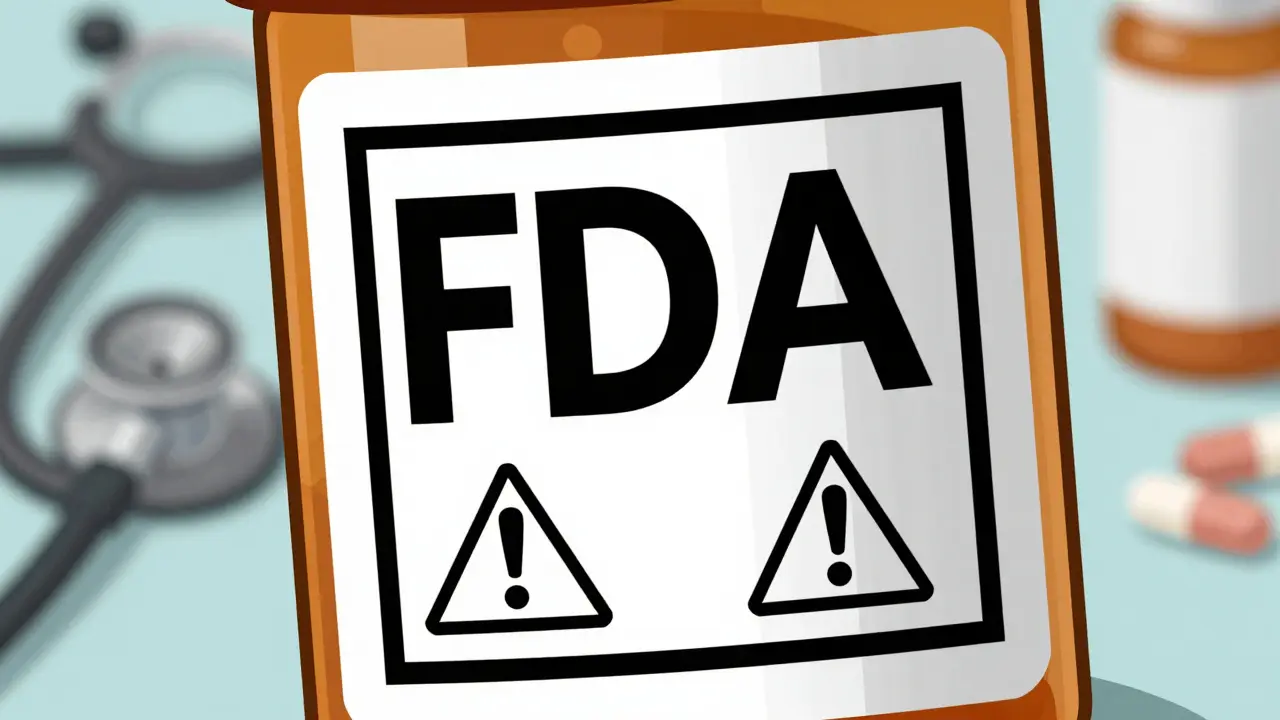
Have you ever picked up a prescription bottle and noticed that thick black border around a paragraph of text on the label? That isn't just design flair. It is a black box warning, also known as a boxed warning, which is the most serious type of safety alert mandated by the U.S. Food and Drug Administration (FDA). When you see that box, it means the agency has identified a risk so severe-potentially involving death or serious injury-that it demands your immediate attention before you take the first pill.
This isn't about minor side effects like nausea or drowsiness. This is the regulatory system's loudest alarm bell. Understanding what this warning means, how it gets there, and what it requires from you can be the difference between effective treatment and a preventable medical crisis.
What Exactly Is a Black Box Warning?
To put it simply, a black box warning is the highest level of caution the FDA can place on a prescription drug. It appears in a distinctive black-bordered box at the very beginning of a drug's package insert, its packaging labeling, and even in promotional materials sent to doctors. The visual impact is intentional. The FDA wants healthcare providers to stop, read, and understand the gravity of the risk before prescribing.
The concept didn't start with the black box itself. The legal foundation was laid by the Kefauver-Harris Amendments of 1962, which required proof of both safety and efficacy for new drugs. However, the specific "black box" format evolved later through regulatory guidance to ensure these critical warnings couldn't be missed in dense medical documentation. Today, over 400 medications carry these warnings, covering everything from powerful painkillers to certain diabetes and psychiatric drugs.
It is crucial to understand that a black box warning does not mean the drug is banned. It doesn't even mean you shouldn't take it. It means the potential benefits must significantly outweigh the serious risks, and that decision requires careful discussion between you and your doctor.
How Does a Drug Get a Black Box Warning?
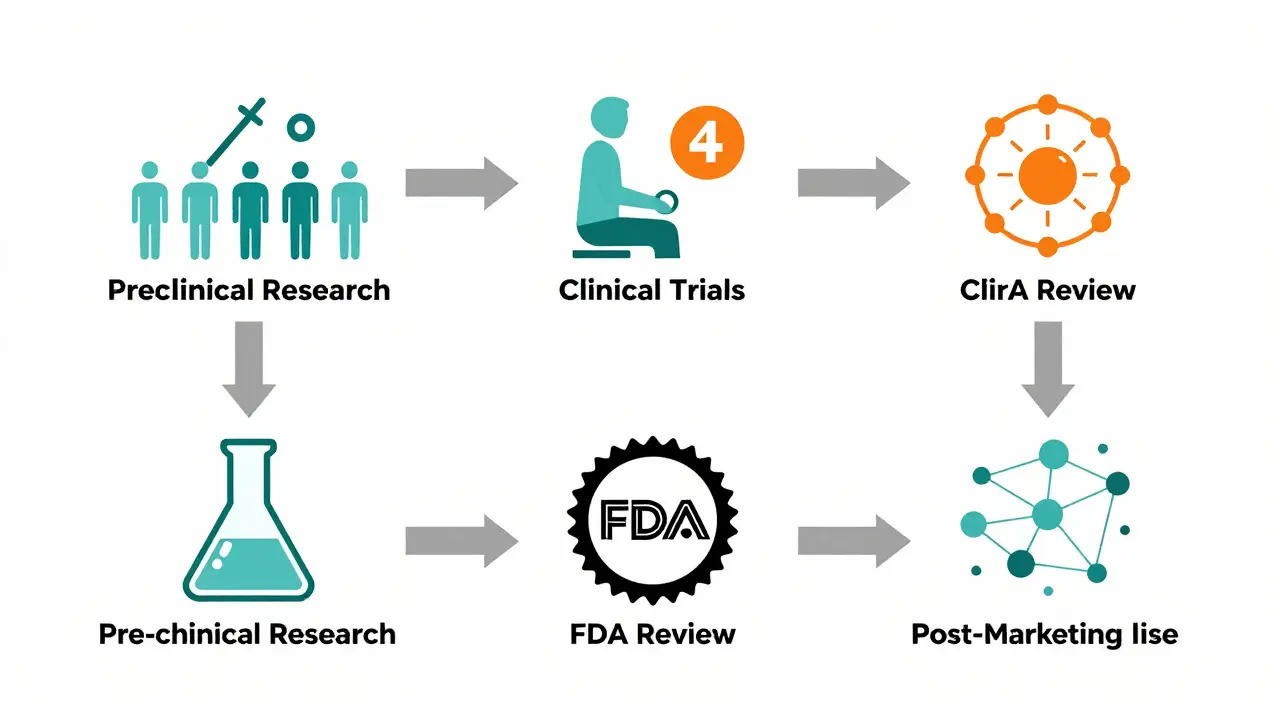
The path to a black box warning is rigorous and data-driven. It rarely happens overnight. The process involves multiple stages of scrutiny:
- Laboratory and Preclinical Research: Initial testing in labs and animal models to identify basic toxicity.
- Clinical Trials: Human studies where researchers monitor for adverse events across thousands of participants.
- FDA Review: Regulators analyze all submitted data before approving the drug for market entry.
- Post-Marketing Surveillance: This is where many black box warnings originate. Once a drug is used by millions of people in the real world, rare but serious side effects may emerge that weren't visible in smaller clinical trials.
The FDA typically issues a black box warning when evidence shows a clear, significant risk that meets specific criteria. According to analysis by GoodRx, the agency considers three main situations:
- The risk is so serious that it could outweigh the benefits for certain patients, requiring careful consideration during prescribing.
- Serious side effects could be reduced through proper use, such as avoiding specific drug interactions or undergoing regular monitoring.
- Specific restrictions are needed for safe use, such as limiting the drug to specialized populations or requiring special training for prescribers.
Most black box warnings are added after a drug has already been on the market. This highlights the importance of the FDA Adverse Event Reporting System (FAERS), a database that tracks medication side effects reported by consumers, healthcare providers, and pharmaceutical companies. If a pattern of serious injuries emerges in FAERS, the FDA may step in to mandate a boxed warning.
Why Do These Warnings Matter So Much?
You might wonder why the FDA needs a special box when they already have "Warnings" and "Precautions" sections in drug labels. The answer lies in visibility and urgency. Regular warnings blend into the text. A black box stands out. It signals that the risk is not just possible-it is probable, severe, and potentially fatal if ignored.
Consider the case of rosiglitazone, a diabetes medication. When the FDA mandated a boxed warning for its cardiovascular risks, research showed that usage dropped by 70%. Even with that drop, it still affected millions of people. This example demonstrates that while black box warnings are powerful tools for changing behavior, their effectiveness can vary based on media coverage, scientific publications, and how clearly the risk is communicated to the public.
For patients, this means staying informed. A black box warning often includes specific instructions for safe use, contraindications (conditions where the drug should not be used), and required monitoring parameters. Ignoring these details can lead to preventable harm.
How Doctors and Patients Should Respond
Receiving a prescription with a black box warning can be scary. But panic is not the right response. Instead, engage in a structured conversation with your healthcare provider. Dr. Meghan Lehmann, a registered pharmacist at Cleveland Clinic, emphasizes that the risks and benefits must be carefully discussed. Here is how you can approach that conversation:
- Ask About Alternatives: Are there other medications without black box warnings that treat your condition? Why is this specific drug the best choice for you?
- Understand the Monitoring Plan: What tests do you need to undergo regularly? How often will you check your blood work or vital signs?
- Review Your Health History: Do you have any conditions or take other medications that increase the risk highlighted in the box?
The American Academy of Family Physicians (AAFP) recommends using the STEPS approach when evaluating drugs with boxed warnings: Safety, Tolerability, Effectiveness, Price, and Simplicity. Physicians are required to provide information about relevant risks, but they retain professional judgment in prescribing decisions. Your job is to ensure that judgment includes your personal health context.
Comparison: Black Box Warnings vs. Other FDA Alerts
| Warning Type | Severity Level | Placement in Labeling | Typical Trigger |
|---|---|---|---|
| Black Box Warning | Highest | Distinctive black-bordered box at the beginning | Risk of death or serious injury; requires immediate attention |
| Warning | High | Standard section heading | Potentially harmful reactions that require caution |
| Precaution | Moderate | Standard section heading | Conditions under which the drug should be used with care |
| Adverse Reactions | Informational | Listed in body text | Side effects observed during clinical trials or post-market use |
As the table shows, the black box warning is in a league of its own. It is reserved for situations where evidence demonstrates a clear, significant risk that cannot be managed by standard precautions alone.

Real-World Examples of Drugs with Black Box Warnings
To make this concrete, let's look at some common categories of drugs that frequently carry these warnings:
- Opioid Pain Relievers: Many opioids carry black box warnings for addiction, abuse, misuse, respiratory depression, and neonatal withdrawal syndrome. The risk of overdose is life-threatening.
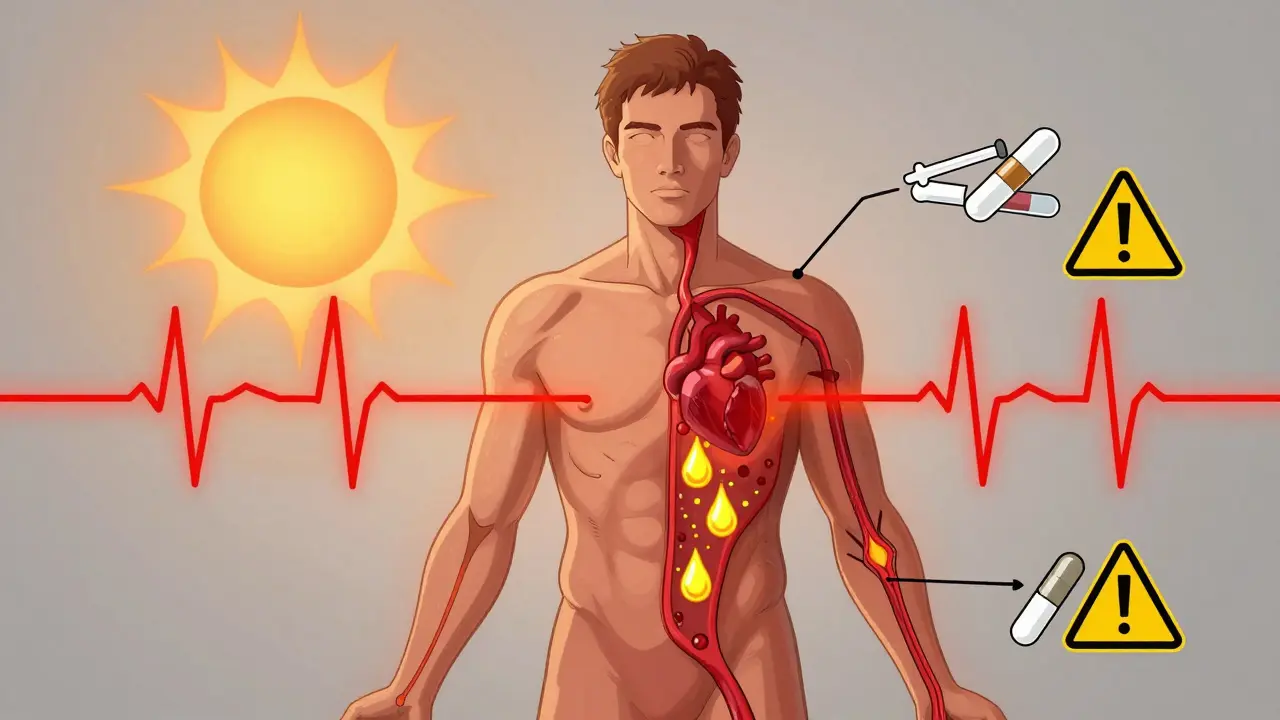
- NSAIDs (Non-Steroidal Anti-Inflammatory Drugs): Drugs like ibuprofen and naproxen may carry warnings for increased risk of heart attack and stroke, especially with long-term use.
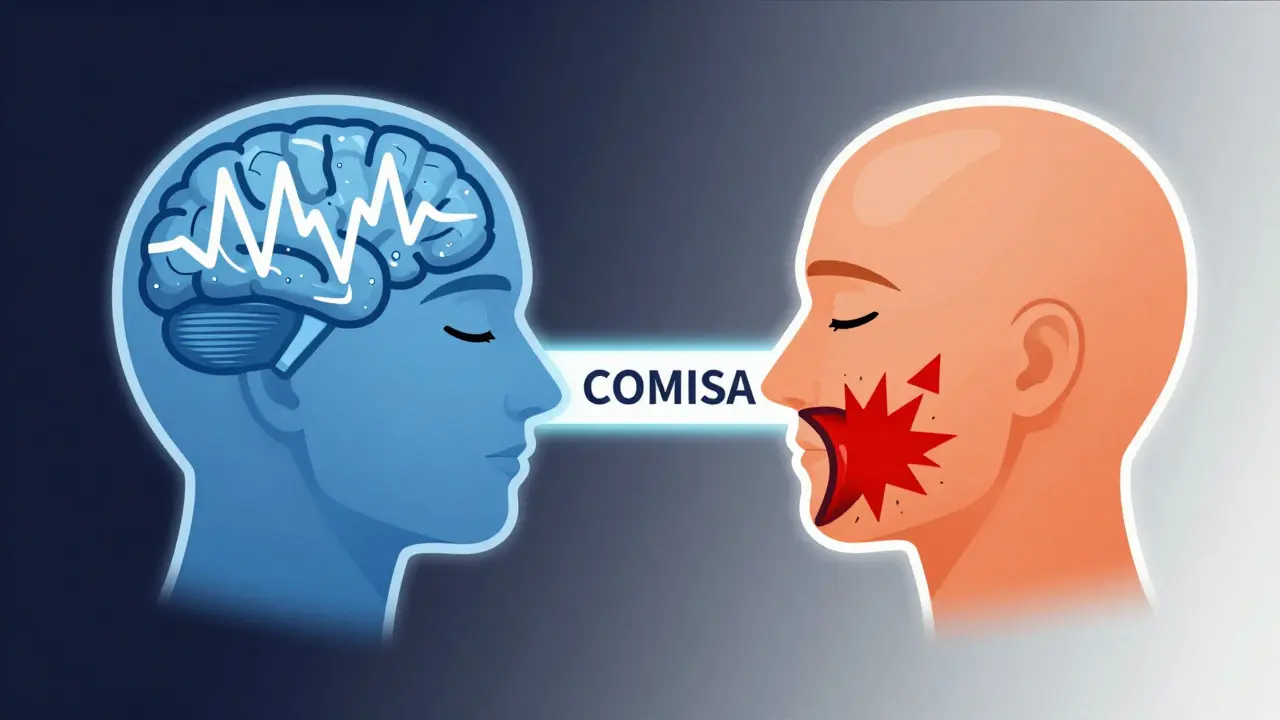
- Antidepressants (SSRIs/SNRIs): Certain antidepressants have black box warnings regarding increased suicidal thoughts and behaviors in children, adolescents, and young adults.
- Diabetes Medications: Some drugs in this class warn about heart failure risks or pancreatitis.
- Biologics: Immunosuppressive biologics often warn about increased susceptibility to infections, including tuberculosis.
These examples illustrate that black box warnings appear across diverse therapeutic areas. They are not limited to one type of medicine but are applied wherever the risk profile is severe.
What You Can Do: Practical Steps for Safety
Knowledge is your best defense. Here is a checklist to help you manage medications with black box warnings safely:
- Read the Insert: Don't just glance at the bottle. Read the patient information leaflet inside the box. Look for the black-bordered section.
- Report Side Effects: If you experience unusual symptoms, report them immediately. You can use the FDA's MedWatch program to submit reports. This data helps the FDA identify new safety signals.
- Stay Updated: Drug labels change. Check with your pharmacist periodically to see if new warnings have been added to your medications.
- Use Trusted Resources: Consult independent sources like the Drug Effectiveness Review Project or Consumer Reports Best Buy Drugs for unbiased evaluations of drug risks and alternatives.
- Never Stop Abruptly: If you are concerned about a black box warning, do not stop taking your medication without talking to your doctor. Sudden cessation can cause withdrawal or rebound effects.
The goal of the black box warning system is not to scare you away from necessary treatments. It is to empower you with critical information so you can make informed decisions alongside your healthcare team. By understanding these alerts, you become an active participant in your own safety, ensuring that the benefits of your medication truly outweigh the risks.
Does a black box warning mean I should never take the medication?
No. A black box warning indicates a serious risk, but it does not ban the drug. For many patients, the benefits of the medication outweigh the risks. Your doctor will evaluate your specific health situation to determine if the drug is appropriate for you.
How are black box warnings different from regular warnings?
Regular warnings highlight potential side effects or precautions. A black box warning is the most severe alert, reserved for risks of death or serious injury. It is visually distinct with a black border and placed at the beginning of the label to ensure it is seen first.
Can a black box warning be removed from a drug label?
Yes, but it is rare. If new evidence shows that the risk was overstated or can be effectively managed, the FDA may remove or modify the warning. However, most black box warnings remain in place for the life of the drug due to persistent safety concerns.
Where can I find a list of drugs with black box warnings?
You can search the FDA's DailyMed website or consult resources like the American Academy of Family Physicians and Medical News Today, which maintain updated lists and analyses of drugs with boxed warnings.
How do I report a side effect related to a black box warning?
You can report side effects through the FDA's MedWatch program. Healthcare providers can also report directly to the FDA Adverse Event Reporting System (FAERS). Reporting helps the FDA monitor drug safety and update warnings if necessary.