FDA Alert Subscription Builder
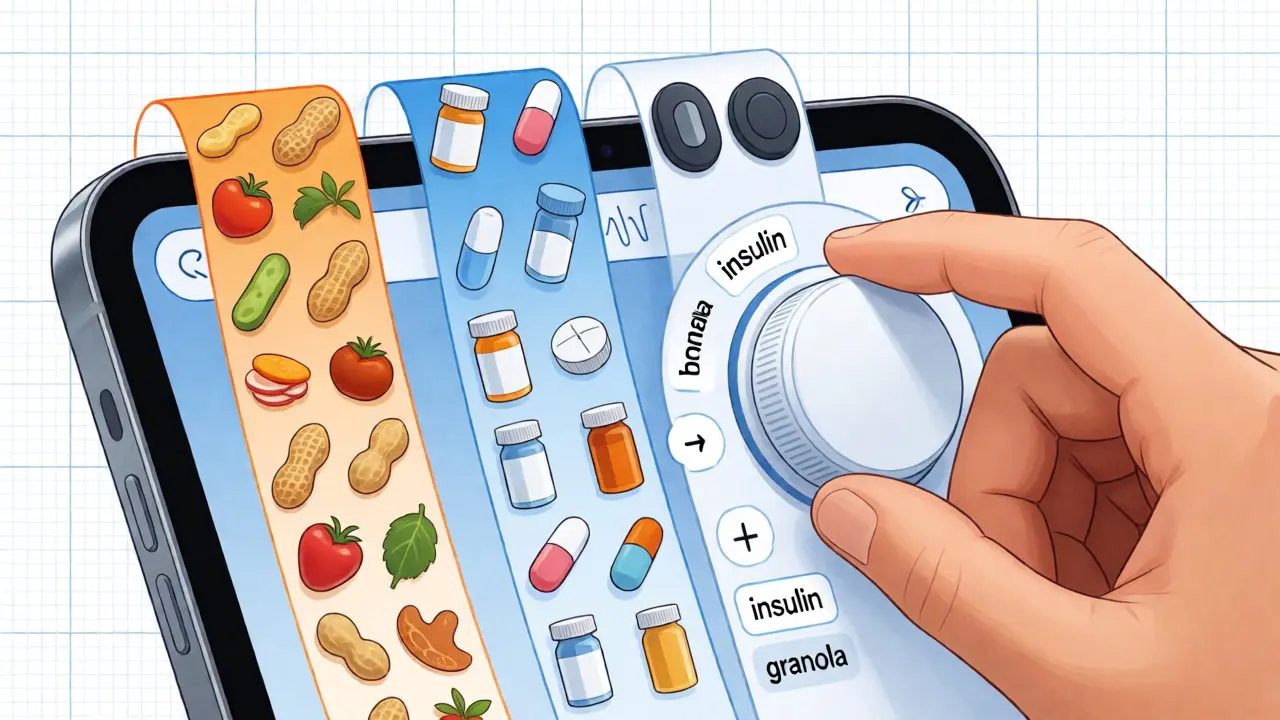
Configure your ideal FDA alert setup below. Enter up to 5 specific keywords (e.g., "insulin", "peanut", "pacemaker") and select the notification channels that match your needs.
Your Customized Alert Dashboard
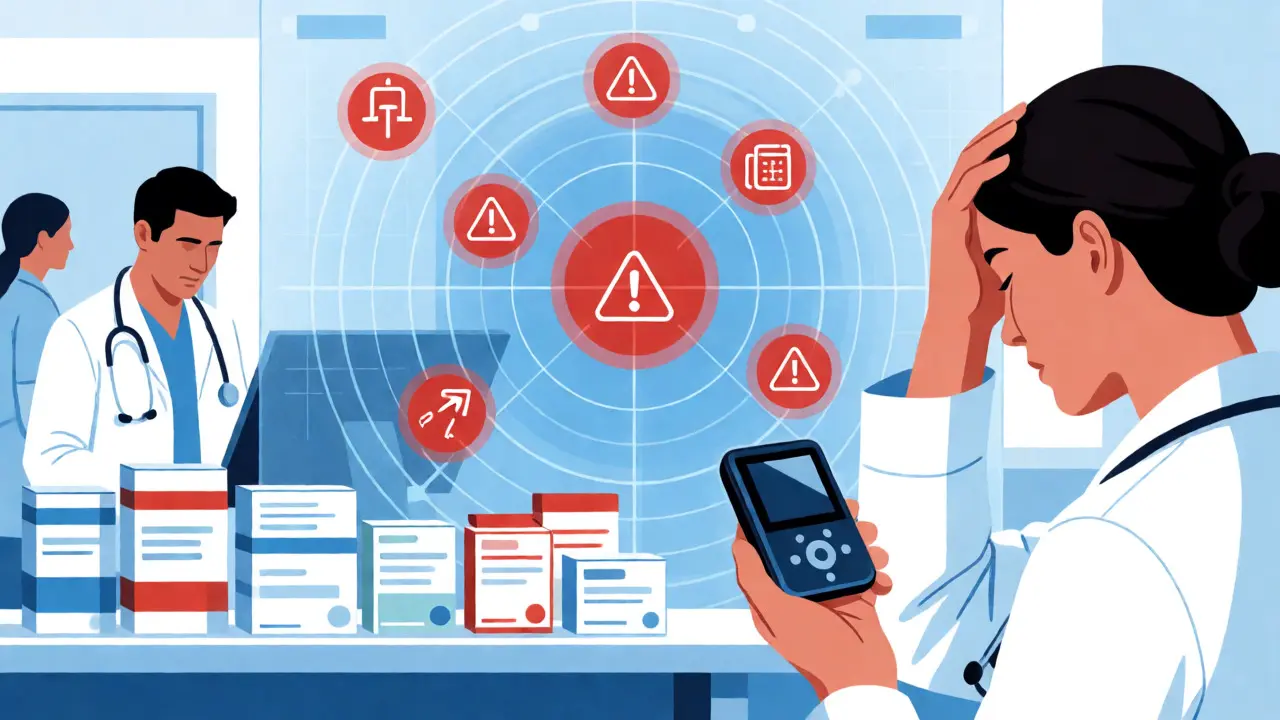
Imagine you are managing a clinic or just trying to keep your family safe from a faulty insulin pump. You hear about a recall on the news three days after it happened. By then, half your patients have already used the defective batch. That lag isn't just annoying; it's dangerous. The U.S. Food and Drug Administration (FDA) has a system designed specifically to close that gap, but most people don't know how to use it properly. FDA Safety Communications is not just one email list-it's an ecosystem of alerts covering drugs, devices, and food. If you aren't subscribed correctly, you are flying blind in a regulatory storm.
Why One Subscription Isn't Enough
Most people think signing up for "FDA updates" covers everything. It doesn't. The agency splits its safety data into distinct channels because a peanut allergy alert works differently than a pacemaker malfunction notice. To truly stay ahead, you need to understand the three main pillars of this notification network. First, there is the Enforcement Report Subscription Service. This is your catch-all for recalls across all regulated products. Enhanced in July 2022, it allows you to pick up to five specific keywords. Think of this as setting your own radar frequency. If you run a bakery, you might set "peanut" and "gluten." If you manage a hospital supply chain, you might set "insulin" or "syringe." Without these keywords, you get generic noise. With them, you get targeted intelligence.
Second, we have the specialized streams for high-risk categories. Medical devices and pharmaceuticals move fast. The Center for Devices and Radiological Health (CDRH) issued 45 safety-related communications in 2022 alone. These aren't just dry reports; they include Letters to Health Care Providers and direct Safety Communications. Then there is the newer, critical piece: the Early Alert Communications Program. Expanded in September 2025 to cover all medical devices, this program flags potentially high-risk issues before they even meet the strict legal definition of a recall. Why does this matter? Because waiting for a formal recall classification can take weeks. Early Alerts give you the heads-up when the FDA first spots a pattern of injuries or deaths, mimicking the urgency of a company notification sent directly to customers.
The Technical Edge: How Keyword Customization Saves Time
Information overload is real. If you subscribe to every FDA alert without filtering, your inbox becomes a graveyard of unread emails. The keyword customization feature in the Enforcement Report Subscription Service solves this by letting you define exactly what matters to you. Let's say you are a parent of a child with a severe nut allergy. Generic food safety alerts might mention a "contamination issue," but they won't tell you if it affects your specific brand of granola bars until you dig through the PDF. By subscribing to the keyword "granola," you cut through the clutter.
This isn't just convenient; it's a strategic advantage for professionals. A medical device manufacturer sourcing specific components can track those exact parts. If a supplier faces a recall, you know immediately. The system integrates with broader postmarket surveillance tools like the Sentinel System, which monitors medication usage data from over 300 million people. While you won't see the raw Sentinel data in your email, knowing that these massive datasets feed into the alerts gives you confidence that the warnings are backed by hard evidence, not just anecdotes.
| Feature | Enforcement Report Subscription | Medical Device Safety Comms | Early Alert Program |
|---|---|---|---|
| Coverage | All FDA-regulated products | Specifically medical devices | All medical devices (as of Sept 2025) |
| Trigger | Formal recall actions | New safety info or resolved recalls | Potential high-risk issues pre-recall |
| Customization | Up to 5 keywords | Broad category subscriptions | Automatic based on device type |
| Best For | Consumers & Specific Supply Chains | Clinicians & Device Manufacturers | Proactive Risk Management |
Step-by-Step: Setting Up Your Alert Radar
Getting started takes less than ten minutes, but doing it right requires a bit of thought. Here is how to configure your subscriptions so they actually work for you.
- Identify Your Core Risks: Before opening the browser, write down the top five things you care about. Are you worried about drug interactions? Specific food allergens? A particular brand of CPAP machine? Be specific. "Heart" is too broad; "pacemaker" is better.
- Navigate to the FDA.gov Subscription Page: Look for the "Subscribe to Email Updates" section. You will see options for different centers, including CDER (drugs) and CDRH (devices).
- Select the Enforcement Report Service: This is your primary filter. Enter your five chosen keywords. Use singular and plural forms if possible, though the system often catches variations. Remember, you are limited to five slots per profile, so prioritize ruthlessly.
- Add Specialized Streams: Separately, sign up for "Medical Device Safety and Recalls" and "Drug Safety Communications." These provide deeper dives into clinical implications that a simple recall notice might miss.
- Test Your Setup: Wait for the confirmation email. Check your spam folder. Sometimes automated government emails get filtered aggressively. Mark them as "Not Spam" to ensure future alerts land in your primary inbox.
Real-World Impact: Why Professionals Treat This as Mandatory
For industry insiders, ignoring these alerts isn't just bad practice; it's a compliance risk. Industry analysis from firms like ADB Creative points out that monitoring these communications is a "regulatory imperative." Why? Because a safety communication about a competitor's device often signals a problem with similar technology in your own portfolio. If Company X gets flagged for a battery overheating issue, and you use the same battery supplier, you need to act now, not later.
Consider the expansion of the Early Alert Communications Program. In November 2024, it was a pilot covering only five device categories. By September 29, 2025, it covered all medical devices. This shift reflects a growing demand for speed. Patient advocates pushed for this change to minimize the time between the FDA spotting a danger and telling the public. When you receive an Early Alert, it includes "what to do" language that mirrors customer notifications. This means you don't have to interpret complex legal jargon to figure out your next step. You read it, you act, you document it.
Furthermore, these alerts integrate with the FDA Adverse Event Reporting System (FAERS). While FAERS is where doctors report problems, the Safety Communications are where the FDA tells us what they've learned from that data. Staying current helps clinicians make informed decisions about prescribing or using specific treatments. It bridges the gap between individual patient experiences and population-level trends.

Common Pitfalls and How to Avoid Them
Even with the best intentions, subscribers often fall into traps. The biggest mistake is poor keyword selection. People tend to be too vague. Subscribing to "drug" or "device" will flood your inbox. Instead, focus on active ingredients (e.g., "metformin") or specific device types (e.g., "hip implant"). Another common error is neglecting the "Letters to Health Care Providers." These are distinct from general press releases and often contain nuanced guidance on dosage adjustments or contraindications that affect treatment plans.
Also, don't ignore the source hierarchy. Not all alerts carry equal weight. A Class I recall (reasonable probability of serious adverse health consequences) demands immediate action. A Class III recall (unlikely to cause adverse health consequences) might just require inventory adjustment. Learning to distinguish between these classes quickly saves panic and resources. The FDA provides clear definitions, but scanning them takes practice. Start by reviewing past alerts for your keywords to see how the language differs between classes.
Looking Ahead: The Future of Safety Alerts
The trend is clear: faster, smarter, and more personalized. The integration of natural language processing into keyword systems is likely on the horizon, meaning you might soon describe your concerns in plain English rather than picking rigid tags. Deeper ties to the Sentinel System’s 300+ million patient records suggest that future alerts could be predictive, warning you of risks before a single injury is reported. For now, however, the manual setup remains the gold standard. Take control of your information flow today. Don't wait for the news cycle to tell you what your doctor already knows.
How many keywords can I use for the FDA Enforcement Report Subscription?
You can select up to five custom keywords. This limit encourages users to choose their most critical terms, such as specific allergens, drug names, or device types, ensuring the alerts remain relevant and manageable.
What is the difference between a Recall and an Early Alert?
A recall follows a formal determination that a product violates FDA regulations. An Early Alert is proactive; it notifies stakeholders of potentially high-risk issues before a formal recall decision is made, aiming to reduce the time between detection and public communication.
Does the FDA send alerts for food products?
Yes, the Enforcement Report Subscription Service covers all FDA-regulated products, including food. You can subscribe to keywords related to specific foods, contaminants, or brands to receive timely notifications about food safety issues.
Are Early Alerts available for all medical devices?
As of September 29, 2025, the Early Alert Communications Program expanded to include all medical devices. Previously, it was a pilot program limited to specific categories like cardiovascular and gastrorenal devices.
Can I unsubscribe from specific FDA alerts?
Yes, each email contains an unsubscribe link. However, it is often better to adjust your keyword preferences or subscription categories via your account settings on the FDA website to maintain coverage while reducing volume.