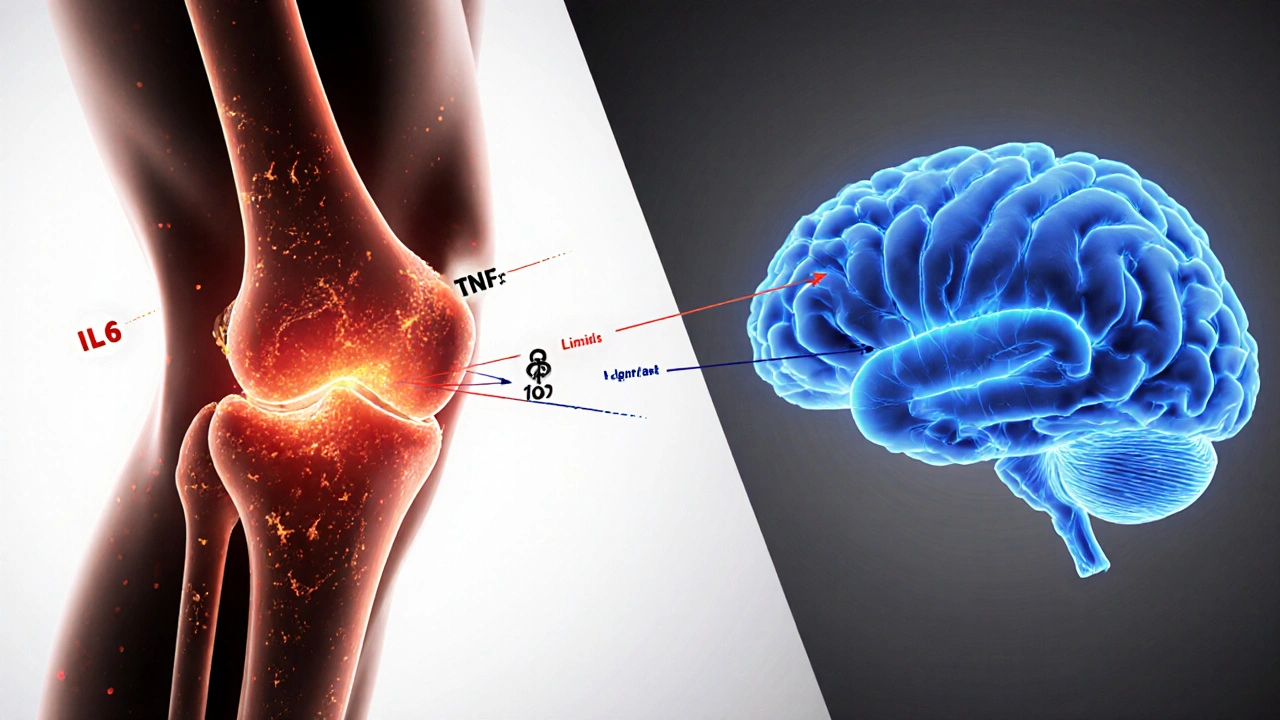
You take your blood pressure pill in the morning. You pop an ibuprofen for a headache at lunch. It seems harmless enough-two common medications, each doing its job. But inside your body, they are fighting a silent battle that could leave your blood pressure dangerously high. This isn't about how fast your liver processes the drugs; it's about what happens when those drugs actually hit their targets.
This is the world of pharmacodynamic drug interactions, defined as situations where one drug modifies the response to another drug at the same concentration, without changing how much of the drug is in your system. Unlike pharmacokinetic interactions-which deal with absorption, distribution, metabolism, or excretion-pharmacodynamic interactions happen directly at the site of action, like receptors or enzymes. According to data from European teaching hospitals analyzed between 2015 and 2017, these interactions account for roughly 40% of all clinically significant drug-drug issues in hospital settings. That’s nearly half the time doctors worry about drug clashes.
How Drugs Talk to Your Body (And Why They Sometimes Argue)
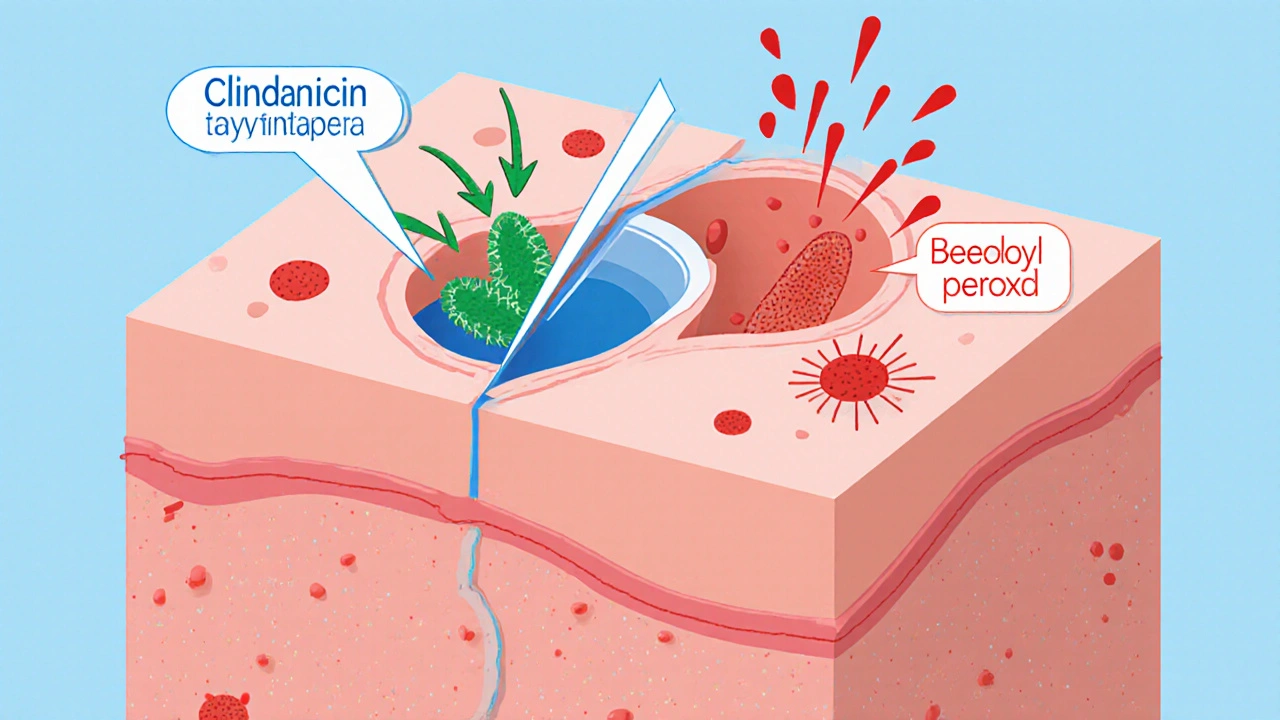
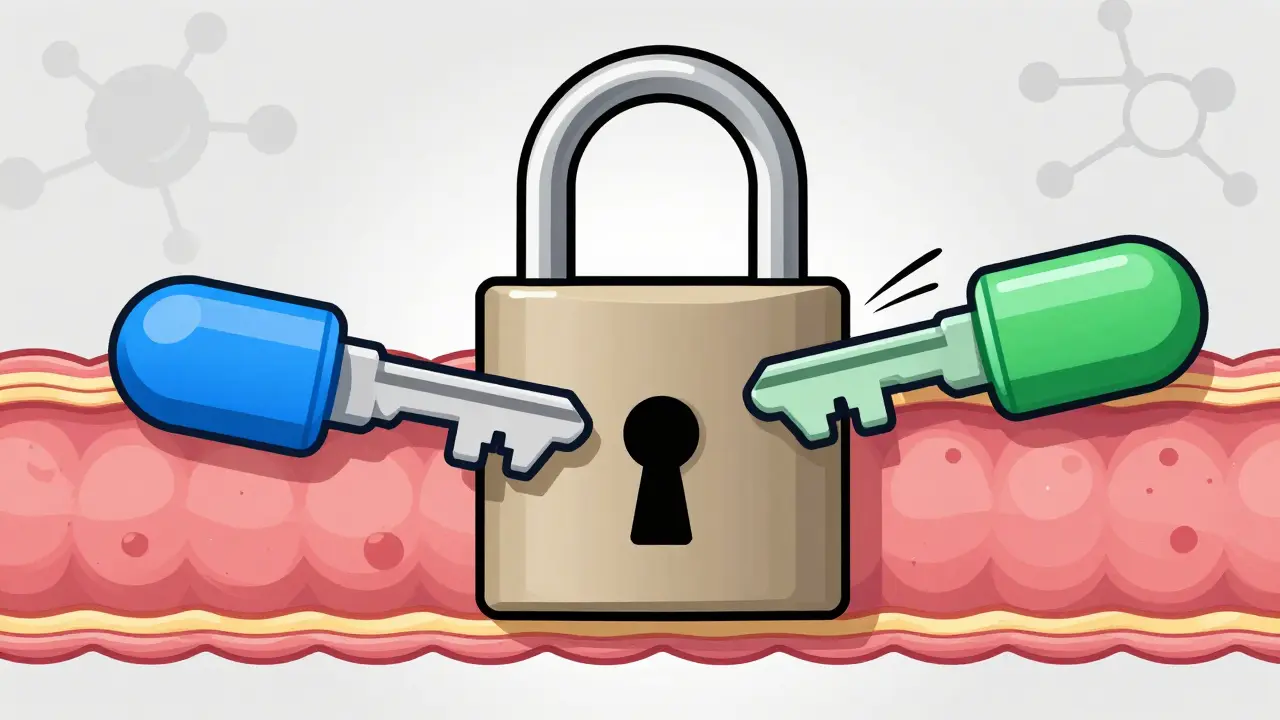
To understand why drugs clash, you have to look at the lock-and-key model. Imagine your body’s cells have locks (receptors) and drugs are keys. A pharmacodynamic interaction occurs when two keys try to fit into the same lock, or when one key changes the shape of the lock so the other doesn’t work anymore.
The severity depends on three main factors: affinity (how tightly the drug binds), potency (how little drug is needed to get an effect), and efficacy (the maximum effect possible). When two drugs compete for the same receptor site, the one with higher affinity usually wins. For example, if you take albuterol, a beta-2 agonist used to open airways in asthma patients, and propranolol, a beta-blocker used for heart conditions, they fight for the same spots. Propranolol can completely block albuterol’s ability to relax your lungs, potentially triggering an asthma attack even though you took your inhaler correctly.
| Type | Mechanism | Clinical Example | Outcome |
|---|---|---|---|
| Synergistic | Combined effect exceeds sum of individual effects | Trimethoprim + Sulfamethoxazole | Enhanced bacterial killing; lower doses needed |
| Additive | Combined effect equals sum of individual effects | Alcohol + Benzodiazepines | Increased sedation; risk of respiratory depression |
| Antagonistic | One drug reduces or blocks the effect of another | NSAIDs + ACE Inhibitors | Reduced blood pressure control; potential kidney strain |
The Three Main Ways Drugs Combine
Not all combinations are bad. In fact, some are deliberately designed to be powerful. We categorize these interactions into three buckets: synergistic, additive, and antagonistic.
Synergistic interactions are the "more than the sum of their parts" scenario. A classic medical example is the combination of trimethoprim and sulfamethoxazole. These two antibiotics block different steps in the same bacterial folic acid synthesis pathway. Together, they reduce the required dose of each by 75% compared to using them alone, making them incredibly effective against certain infections while minimizing side effects. This is intentional synergy.
Additive interactions are straightforward math: 1 + 1 = 2. If Drug A causes 10% sedation and Drug B causes 10% sedation, taking both might cause 20%. This sounds manageable until you realize that 20% sedation can tip into dangerous territory if either drug’s effect fluctuates. This is why mixing alcohol with any central nervous system depressant-like sleep aids or anti-anxiety meds-is so risky. The combined effect can suppress breathing without you realizing it.
Antagonistic interactions are the troublemakers. Here, one drug cancels out the other. As mentioned earlier, NSAIDs like ibuprofen interfere with ACE inhibitors (common blood pressure meds) by blocking prostaglandin synthesis in the kidneys. A 2019 NIH study found this reduced renal blood flow by about 25%, effectively neutralizing the blood pressure-lowering benefit of the ACE inhibitor. You’re taking your medication, but it’s not working because the other drug is pulling the rug out from under it.
Why Pharmacodynamic Interactions Are Harder to Manage
You might wonder why we don’t just adjust the dose, like we do with many pharmacokinetic interactions. The problem is that pharmacodynamic interactions often involve direct competition at the molecular level or opposing physiological pathways. You can’t always “out-dose” a blocker.
A 2020 analysis in the *Journal of Clinical Pharmacy and Therapeutics* highlighted a stark difference in outcomes: 68% of serious adverse events involving pharmacodynamic interactions resulted in hospitalization, compared to only 42% for pharmacokinetic ones. Why? Because pharmacodynamic clashes often require complete avoidance of the combination rather than simple tweaks. For instance, combining opioids with opioid antagonists like naloxone doesn’t just reduce pain relief-it can trigger immediate, severe withdrawal symptoms in dependent patients.
Another major danger zone is serotonin syndrome. Combining selective serotonin reuptake inhibitors (SSRIs) with monoamine oxidase inhibitors (MAOIs) increases the risk of this life-threatening condition by 24-fold, according to a 2021 meta-analysis. Symptoms include high fever, agitation, and muscle rigidity. There’s no easy dose adjustment here; the combination is essentially contraindicated.
Who Is Most at Risk?
If you’re young and healthy, taking one or two medications, your risk is relatively low. But the landscape changes dramatically with age and complexity. The elderly population is the epicenter of pharmacodynamic interaction risks. By 2050, there will be 1.5 billion people aged 65 or older globally. Today, the average person in this demographic takes 4.8 prescription medications simultaneously.
This phenomenon, known as polypharmacy, creates a web of potential conflicts. A 2022 survey of over 1,200 physicians revealed that 63% encountered at least one potentially dangerous pharmacodynamic interaction every month. The most common culprits were anticoagulants mixed with antiplatelet agents (38% of cases) and multiple central nervous system depressants (29% of cases).
Drugs with narrow therapeutic indices are particularly tricky. These are medications where the difference between a helpful dose and a toxic dose is tiny. Think of warfarin, lithium, or digoxin. Professor David E. Geller noted in a 2021 review that 83% of life-threatening pharmacodynamic interactions involved at least one drug with a therapeutic index below 3.0. Even a small shift in effect caused by another drug can push these medications into the danger zone.
Real-World Stories: Near Misses and Successes
Data tells us what *can* happen, but stories show us what *does* happen. On pharmacy forums, healthcare professionals share chilling accounts. One hospital pharmacist described a case where an elderly patient developed serotonin syndrome after being prescribed linezolid (an antibiotic) while already taking sertraline (an antidepressant). The patient spent 72 hours in intensive care. Linezolid has weak MAOI activity, creating a perfect storm for serotonin toxicity when paired with SSRIs.
But it’s not all doom and gloom. Pharmacodynamic synergy is also a tool for healing. In a 2021 trial published in the *Journal of the American Pharmacists Association*, researchers used low-dose naltrexole alongside standard antidepressants for treatment-resistant depression. The result? 68% of patients improved, compared to just 42% on antidepressants alone. Here, the interaction was harnessed intentionally to overcome biological resistance.
How to Protect Yourself: Practical Steps
You don’t need to memorize receptor subtypes to stay safe, but you do need to be proactive. Here is how to navigate the minefield:
- Keep a Master List: Write down every prescription, over-the-counter medication, supplement, and herbal remedy you take. Include dosages. Bring this list to every doctor’s appointment.
- Ask About OTCs: Ibuprofen, naproxen, and even some antacids can interact with prescription drugs. Always ask your pharmacist if an over-the-counter med is safe with your current regimen.
- Use One Pharmacy: Filling all prescriptions at the same location allows the pharmacist to run automated checks against your full history. Splitting fills between two pharmacies breaks this safety net.
- Watch for Red Flags: If a new medication seems to stop working, or if you suddenly experience unexpected side effects like dizziness, confusion, or extreme fatigue, contact your provider immediately. These may signal an interaction.
Technology helps, too. Modern clinical decision support systems have reduced pharmacodynamic errors by 37% in US hospitals since 2020. However, they still miss about 22% of significant interactions due to oversimplified algorithms. Human oversight remains critical.
The Future of Interaction Management
We are moving toward a more predictive era. The FDA now requires specific pharmacodynamic interaction studies for new central nervous system drugs. Meanwhile, researchers are building machine learning models to predict risks before they happen. Dr. Rada Savic’s team at UCSF recently developed an algorithm that predicts serotonin syndrome risk with 89% accuracy based on polypharmacy regimens.
In the UK, the NHS is piloting systems that integrate real-time interaction data into electronic health records. The goal is proactive prevention rather than reactive damage control. With the global drug interaction software market expected to grow by 10.3% annually through 2030, the industry is betting big on smarter tools to manage the complexity of modern medicine.
Until then, awareness is your best defense. Understanding that drugs don’t just float around independently-they talk, fight, and cooperate inside your body-empowers you to ask better questions and demand safer care.
What is the difference between pharmacokinetic and pharmacodynamic interactions?
Pharmacokinetic interactions change how much drug gets into your system or how long it stays there (absorption, metabolism, etc.). Pharmacodynamic interactions change what the drug does once it reaches its target site, such as blocking or enhancing a receptor’s function, without altering the drug’s concentration.
Can vitamin supplements cause pharmacodynamic interactions?
Yes. While less common than drug-drug interactions, supplements like St. John’s Wort can act as mild MAOIs or affect serotonin levels, potentially interacting with antidepressants. Vitamin K can antagonize the effects of warfarin, a blood thinner, reducing its effectiveness.
Why are NSAIDs dangerous for people on blood pressure medication?
NSAIDs inhibit prostaglandin synthesis, which helps maintain blood flow to the kidneys. This can reduce the effectiveness of ACE inhibitors and ARBs, leading to higher blood pressure and potential kidney strain. It is generally recommended to use acetaminophen instead for pain relief in hypertensive patients.
How do I know if I’m experiencing serotonin syndrome?
Symptoms typically appear within hours of starting or increasing a serotonergic drug. Look for agitation, confusion, rapid heart rate, high blood pressure, dilated pupils, loss of coordination, muscle rigidity, heavy sweating, diarrhea, headache, shivering, goosebumps, and high fever. Seek emergency care immediately if these occur.
Are there apps that check for drug interactions?
Yes, several reputable apps and websites exist, such as the Drugs.com interaction checker or the Medscape app. However, these tools are not perfect and may miss complex pharmacodynamic nuances. Always verify results with a pharmacist or doctor, especially if you take multiple medications.