
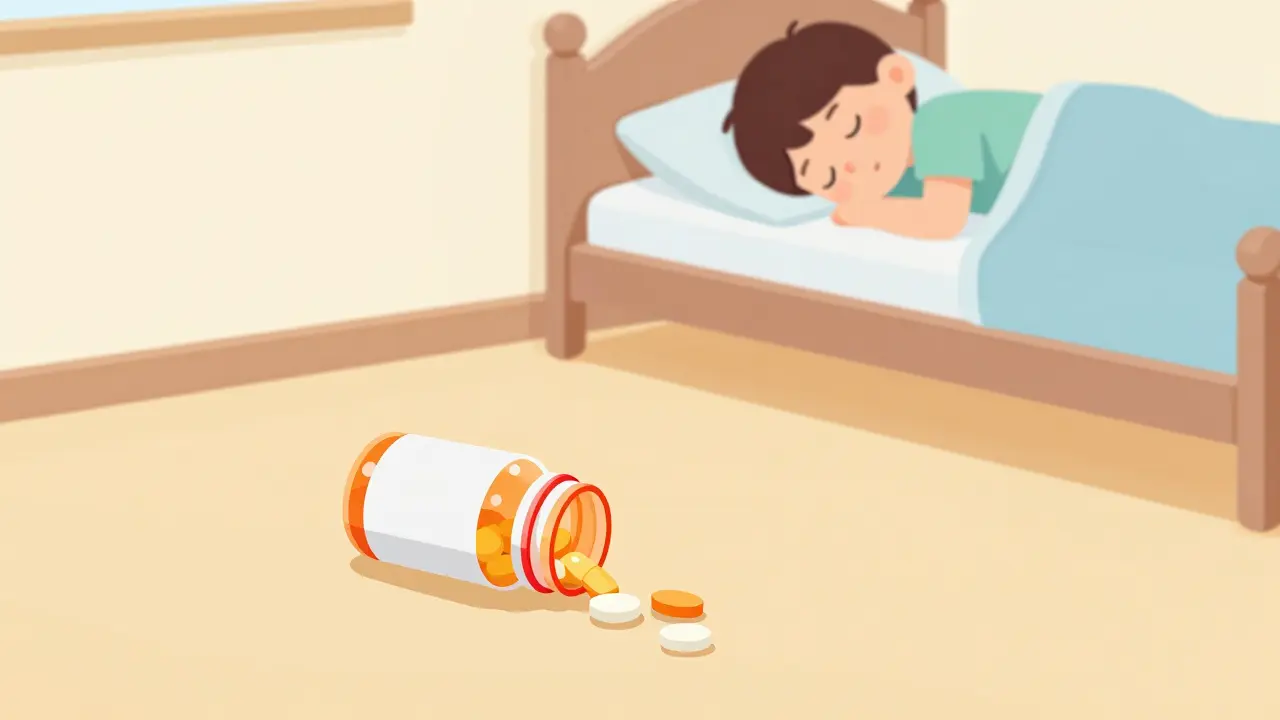
One of the scariest parts about pediatric medication overdose is that some of the most dangerous drugs don't show symptoms right away. You could have a child who looks perfectly fine while their liver is silently struggling. Knowing exactly what to look for and knowing who to call the moment you suspect something is wrong can literally save your child's life.
Quick Summary of Critical Actions
- Call Poison Control (800-222-1222) immediately if you suspect an overdose, even if your child seems fine.
- Call 911 if your child is unresponsive, struggling to breathe, or having seizures.
- Acetaminophen (Tylenol) is a "silent" danger; liver damage can happen without early symptoms.
- Opioid signs include pinpoint pupils, limpness, and slow breathing.
- Prevent by locking medications and never calling them "candy."
The Silent Danger: Acetaminophen and Liver Toxicity
If there is one medication every parent needs to worry about, it is Acetaminophen is a common pain reliever and fever reducer found in Tylenol and many multi-symptom cold medicines. This drug is the most frequent cause of pediatric poisoning because it's in so many different products. A common mistake happens when a caregiver gives a child a cold syrup and a pain reliever, not realizing both contain the same active ingredient.
The real danger here is the timeline. Unlike some drugs that make a child vomit immediately, acetaminophen can be deceptive. According to the Cleveland Clinic, you might not see any signs of toxicity for up to 24 hours. By the time nausea, vomiting, or abdominal pain appear, the liver may already be severely damaged. There is a critical treatment window: the antidote, N-acetylcysteine (NAC), is nearly 100% effective if given within 8 hours, but that effectiveness drops to around 40% after 16 hours. This is why you cannot "wait and see" if the child looks sick before calling for help.
Recognizing Opioid and Sedative Overdoses
Opioids, including prescription painkillers and synthetic drugs like fentanyl, create a very different set of warning signs. These are often characterized by "depression" of the central nervous system-meaning everything slows down. Keep a close eye on these specific physical markers:
- The Eyes: Look for "pinpoint pupils"-tiny pupils that don't react to light.
- Breathing: Breathing may become very shallow, slow, or stop entirely. You might hear choking or gurgling sounds.
- Skin Tone: In lighter-skinned children, the skin may look bluish-purple. In darker-skinned children, it may appear grayish or ashen. Check the lips and fingernails for a blue or purplish-black tint.
- Physical State: The child may feel cold and clammy to the touch or appear completely limp.
- Responsiveness: They might be awake but totally unresponsive to you, or they may be impossible to wake up.
If you suspect a fentanyl-related overdose, emergency responders often use Naloxone is an opioid antagonist medication that rapidly reverses opioid overdose by blocking opioid receptors. If you have it on hand, it should be administered immediately while waiting for the ambulance.
Stimulants and Other Medication Reactions
Not all overdoses cause sleepiness. Stimulants, often used for ADHD, do the opposite-they rev the body up. An overdose of these medications can look like a severe panic attack or a medical crisis. You might see your child experiencing:
- Extreme irritability, panic, or confusion.
- Rapid breathing and high blood pressure.
- Dizziness or hallucinations.
- In severe cases, seizures, psychosis, or even a heart attack.
Other medications, such as some herbal remedies or over-the-counter drugs, can cause a mix of symptoms including severe stomach pain, diarrhea, loss of coordination, and visual disturbances. Because children process these substances differently, a dose that is safe for an adult can be toxic for a toddler.

When to Call Poison Control vs. 911
One of the most stressful decisions for a parent is deciding whether to call the Poison Control Center is a national network of centers providing immediate, free, and confidential guidance on poisoning emergencies or dial 911. Use this guide to make a fast, informed choice.
| Scenario | Who to Call | Why? |
|---|---|---|
| Child swallowed unknown pills but is acting normally | Poison Control | Experts can determine if the substance is toxic and provide step-by-step guidance. |
| Child is unconscious or won't wake up | 911 | Immediate life-saving intervention is required. |
| Suspected Acetaminophen overdose (no symptoms yet) | Poison Control / Doctor | Critical treatment window for liver protection starts immediately. |
| Difficulty breathing or blue lips/fingernails | 911 | Respiratory failure is an immediate threat to life. |
| Uncontrollable shaking or seizures | 911 | Requires professional stabilization and monitoring. |
| Swelling of the face, lips, or tongue | 911 | Indicates an allergic reaction (anaphylaxis) that can block the airway. |
If you are in doubt, call Poison Control first. They are trained to triage the situation and will tell you immediately if you need to hang up and dial 911. They can also provide guidance on whether to induce vomiting (which is actually dangerous for many substances) or if you should simply monitor the child.
Immediate Assessment: What to Do Right Now
If you find your child in a potentially overdosed state, follow these steps quickly:
- Check Responsiveness: Speak loudly to the child. If they don't respond, try physical stimulation. Use your knuckles to rub firmly against their sternum (breastbone) or their upper lip.
- Check Breathing: Look for the rise and fall of the chest. Listen for gurgling or gasping.
- Secure the Evidence: Grab the medication bottle and any remaining pills. Note the strength (mg) and how many pills are missing. This is vital for the doctor to calculate the toxic dose.
- Positioning: If the child is unconscious but breathing, lay them on their side (the recovery position) to prevent them from choking if they vomit.
Stopping the Accident Before It Happens
Most pediatric poisonings happen in the home, and surprisingly, many occur even when child-resistant caps are used. These caps are "resistant," not "proof." The best defense is a layered approach to safety.
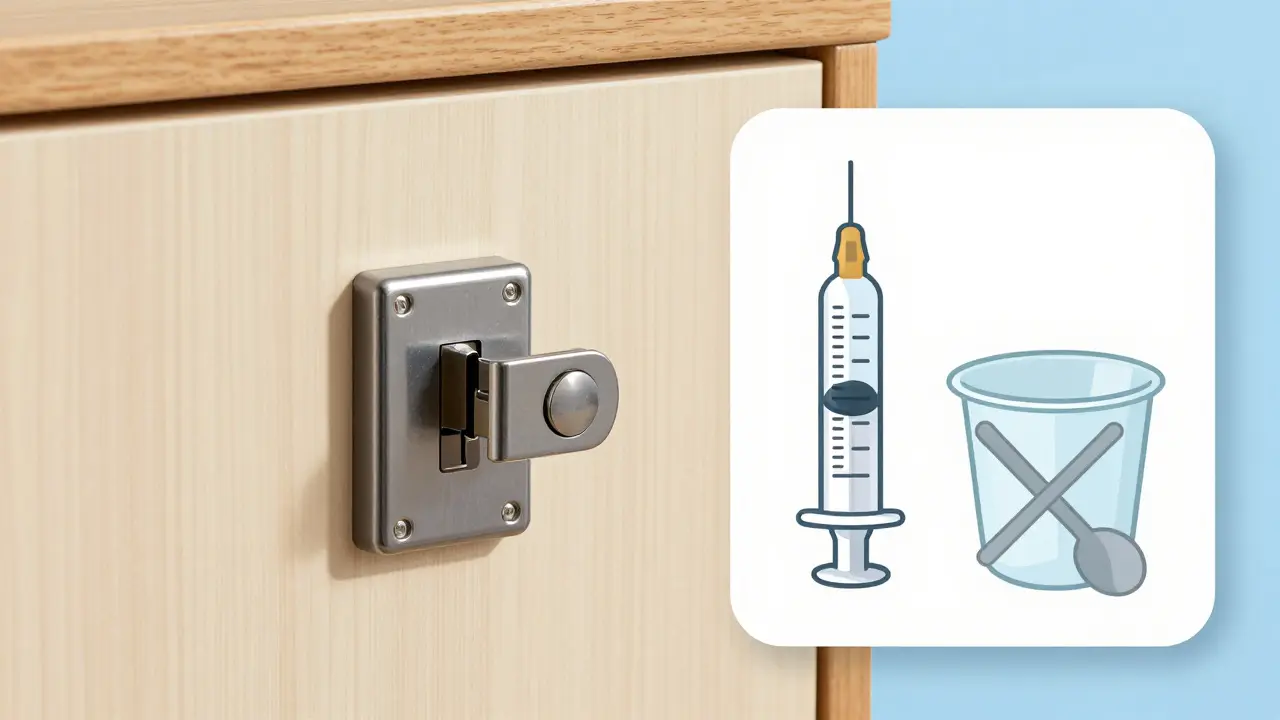
First, store all medications-including vitamins and herbal supplements-in a locked cabinet. Placing them on a high shelf isn't enough; determined toddlers are excellent climbers. Second, never refer to medicine as "candy" to get a child to take it. This normalizes the act of eating colorful pills and can lead to them seeking out the bottle later.
Finally, be hyper-aware of "hidden" medications. Many multi-symptom cold and flu liquids contain acetaminophen. If you give your child a fever reducer and then a cold syrup, you might be doubling the dose. Always read the ingredients list for "Acetaminophen" or "APAP" to ensure you aren't accidentally causing toxicity.
What is the Poison Control phone number?
The national Poison Control hotline is 800-222-1222. This number connects you to the nearest regional center, where experts provide free, confidential guidance 24/7.
Should I make my child vomit if they took too much medicine?
No. Never induce vomiting unless specifically told to do so by a medical professional or Poison Control. Some substances can cause more damage to the esophagus or lungs if they are vomited back up.
Why is acetaminophen so dangerous for kids?
Acetaminophen is dangerous because it can cause severe liver failure, and the symptoms often don't appear until the damage is already advanced. Because it's found in so many over-the-counter products, unintentional overdosing is common.
How can I tell if my child is having an opioid overdose?
Look for the "triad" of opioid overdose: pinpoint pupils, unconsciousness/unresponsiveness, and slow or absent breathing. You may also notice a blue or gray tint to the lips and fingernails.
What should I bring to the ER if I suspect an overdose?
Bring the medication container, any remaining pills, and if possible, a sample of the vomit. This helps doctors identify the exact substance and the potential dose ingested to determine the correct treatment.
Next Steps for Caregivers
If you've had a close call, now is the time to audit your home. Check every bathroom and kitchen cabinet. Dispose of expired medications at a pharmacy take-back location rather than throwing them in the trash where a child might find them. For those who frequently use liquid medications, always use the measuring device (syringe or cup) that came with that specific product; kitchen spoons are not accurate and often lead to dosing errors.



14 Comments