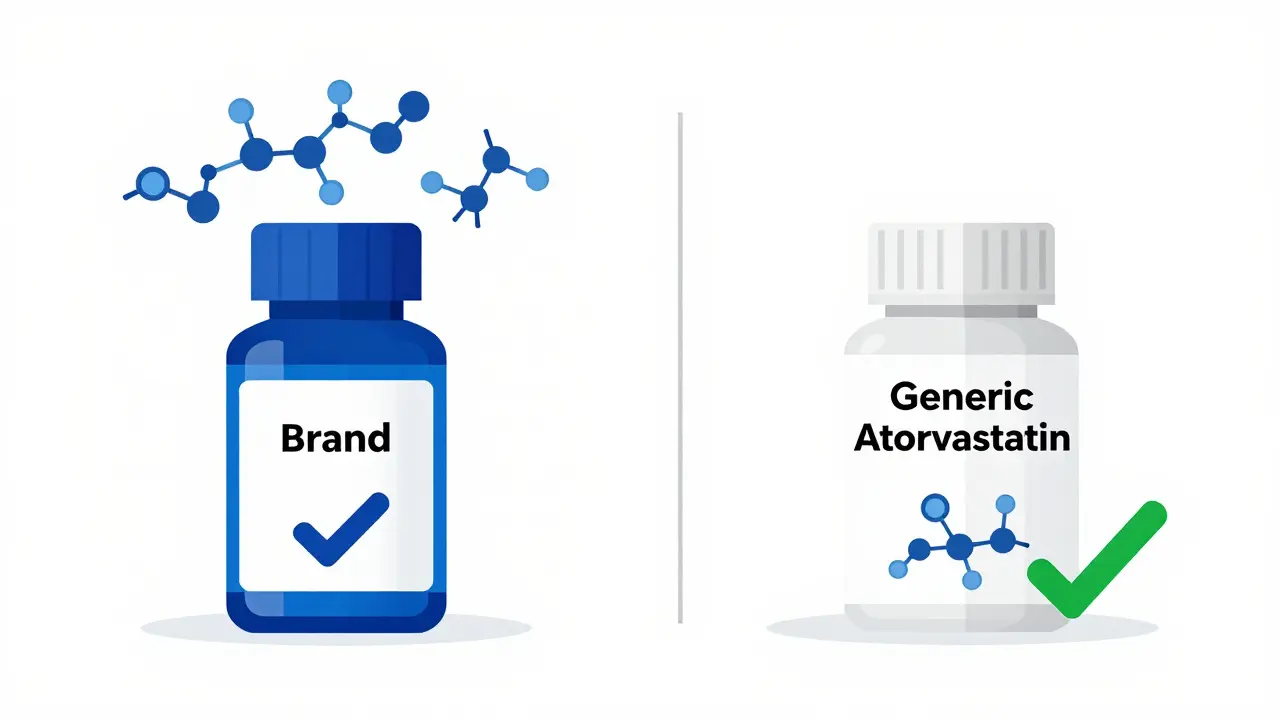
Imagine a world where life-saving cancer treatments cost significantly less without compromising your health. That reality is becoming standard thanks to monoclonal antibody biosimilars. These aren't just cheaper versions of expensive drugs; they are highly similar biological medicines that have undergone rigorous testing to ensure they work just like the original reference product. For patients dealing with conditions like rheumatoid arthritis, inflammatory bowel disease, or various cancers, understanding these options can mean the difference between affordable care and financial strain.
The landscape of biologic therapies has shifted dramatically over the last decade. While generic small-molecule drugs are exact chemical copies of their predecessors, biologics like monoclonal antibodies (mAbs) are complex proteins produced by living cells. This complexity means you can't simply copy-paste them. Instead, manufacturers create a "biosimilar," which is highly similar to the reference medicine but not identical. Regulatory bodies like the U.S. Food and Drug Administration (FDA) and the European Medicines Agency (EMA) have established strict guidelines to ensure that any differences are minor and clinically insignificant.
What Makes Monoclonal Antibodies Different?
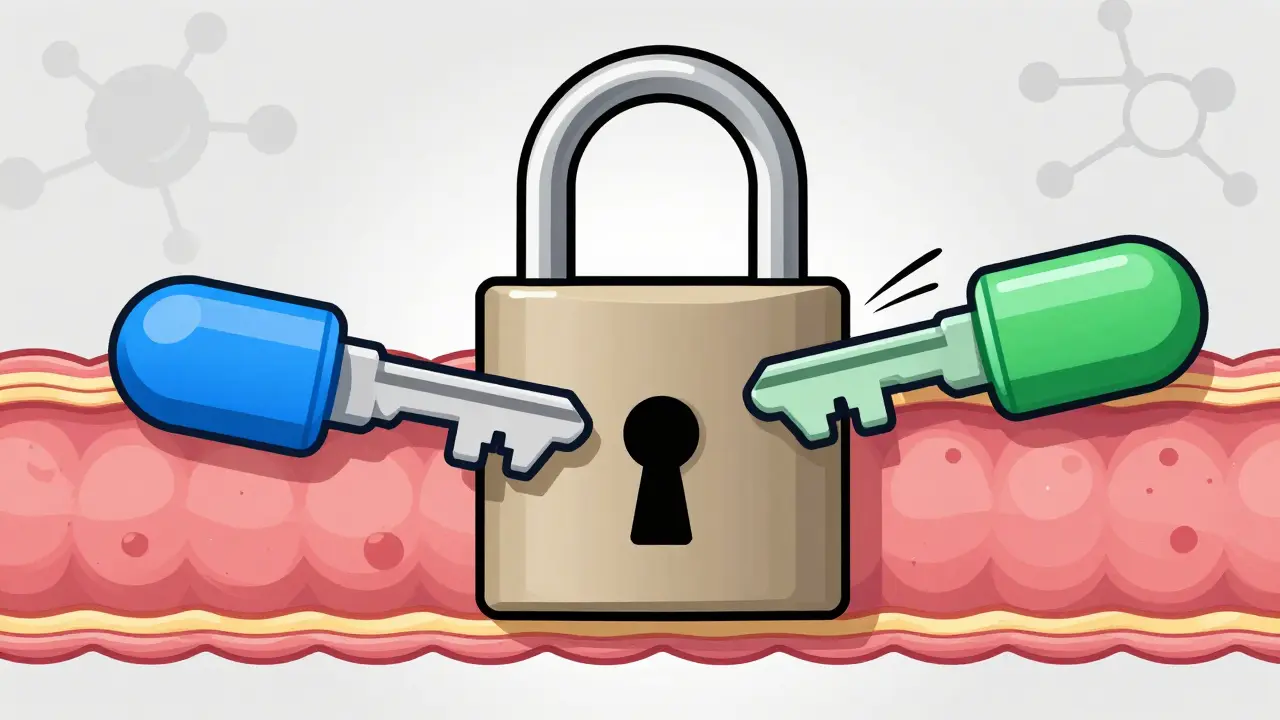
To understand why biosimilars exist, you first need to grasp what a monoclonal antibody is. Think of an mAb as a specialized missile designed to target specific proteins on diseased cells. Unlike small molecules, which are simple chemical structures, mAbs are large proteins with a molecular weight of approximately 150,000 daltons. Compare that to insulin, which weighs only about 5,800 daltons. Because they are made in living systems (like cell cultures), tiny variations naturally occur in their structure, such as glycosylation patterns (the addition of sugar chains). These variations don't change how the drug works, but they make creating an exact duplicate impossible.
This is where the term "biosimilar" comes in. The FDA defines a biosimilar as a biological product that is highly similar to a reference product, with no clinically meaningful differences in safety, purity, and potency. It’s not a generic. A generic paracetamol is chemically identical to brand-name paracetamol. A biosimilar mAb is structurally very close, but because it’s a protein, it will always have slight manufacturing nuances. The key takeaway for patients is that these nuances do not affect the drug's ability to treat your condition effectively.
Regulatory Pathways: FDA vs. EMA
Getting a biosimilar approved is a long and detailed process. The regulatory framework was solidified around 2010 when the EMA released draft guidelines for similar medicinal products containing monoclonal antibodies. Since then, both major regulators have refined their approaches. The FDA requires manufacturers to demonstrate high similarity except for minor differences in clinically inactive components. They must prove there are no clinically meaningful differences in safety, purity, and potency through a combination of analytical studies, non-clinical data, and clinical trials.
The EMA takes a slightly different angle, focusing heavily on the structural and functional similarity to the reference medicine. They mandate relevant animal model, non-clinical, and clinical studies to establish safety and similarity. A critical part of this process is identifying the most sensitive clinical indication. If a biosimilar performs well in the condition where the reference drug is least effective, it’s likely safe and effective across all other approved uses. This stepwise approach saves time and resources while ensuring patient safety.
Key Examples of Approved Biosimilars
By 2023, the EMA had granted marketing authorizations for more than 50 biosimilars, with roughly 35% being monoclonal antibodies. In the United States, the market has seen rapid growth since the first approval in 2015. Here are some of the most prominent examples categorized by their reference product:
| Reference Product | Common Use | Approved Biosimilars (US) | First Approval Date |
|---|---|---|---|
| Bevacizumab (Avastin) | Cancer (Colorectal, Lung, Glioblastoma) | Mvasi, Zirabev, Alymsys, Vegzelma, Avzivi, Jobevne | September 14, 2017 (Mvasi) |
| Rituximab (Rituxan) | Lymphoma, Leukemia, Autoimmune | Truxima, Ruxience, Riabni | November 28, 2018 (Truxima) |
| Trastuzumab (Herceptin) | HER2+ Breast & Gastric Cancer | Ogivri, Herzuma, Ontruzant, Trazimera, Kanjinti, Hercessi | December 1, 2017 (Ogivri) |
| Infliximab (Remicade) | Rheumatoid Arthritis, IBD | Inflectra, Remsima, Fiolastar, Cyltezo, Simlandi | May 19, 2016 (Inflectra) |
Notice the variety in the table. Bevacizumab alone has six approved biosimilars in the US, reflecting intense competition and significant cost savings. Trastuzumab biosimilars are crucial for HER2-positive breast cancer patients, offering a viable alternative to the high-cost originator. Each of these products has gone through the same rigorous scrutiny to ensure they match the efficacy of the original.

Clinical Uses and Patient Outcomes
Why should patients care about switching to a biosimilar? The primary driver is cost. A 2022 study published in JAMA Oncology analyzed 1,247 patients treated at 15 US cancer centers who switched from reference rituximab to the biosimilar Truxima. The results showed an average cost reduction of 28% per treatment cycle. More importantly, there were no significant differences in effectiveness or safety outcomes. For many families, that 28% saving can cover months of copays or ancillary care costs.
Another critical concept is "interchangeability." An interchangeable biosimilar is one that can be substituted for the reference product without consulting the prescriber. This simplifies pharmacy operations and ensures continuity of care. Celltrion's Remsima became the first monoclonal antibody biosimilar designated as interchangeable by the FDA on July 21, 2023. This designation gives healthcare providers and pharmacists more flexibility in managing inventory and patient prescriptions.
Clinical adoption is also driven by trust. Initially, there were concerns about immunogenicity-whether the body might react differently to the biosimilar compared to the original. However, data from the EMA's 2021 safety report documented only 12 cases of unexpected immune responses across 1.2 million patient-years of exposure. That rate is statistically equivalent to the reference products, putting fears to rest for most clinicians and patients.
The Future Pipeline and Market Trends
The momentum isn't slowing down. As of September 2023, there were 37 candidates in various stages of FDA review. A huge portion of this pipeline focuses on adalimumab (Humira), with 14 candidates competing for the market. Hyrimoz received its first US approval on September 28, 2023, opening the floodgates for adalimumab biosimilars. Another major player is pembrolizumab (Keytruda), with six late-stage candidates in development. Given Keytruda's dominance in oncology, its biosimilars could reshape cancer care economics globally.
Market analysts project that biosimilar monoclonal antibodies will capture 45-65% of the originator market share within three years of launch. IQVIA estimates that mAb biosimilars will account for 35% of all biologic prescriptions in the US by 2027, up from 18% in 2022. Cancer therapies are expected to comprise 62% of this volume. This shift suggests that within a few years, biosimilars won't just be an option; they'll be the standard of care for many chronic and acute conditions.
Challenges and Barriers to Adoption
Despite the benefits, hurdles remain. Patent litigation is a major one. A 2023 study found an average of 14.7 patent challenges per monoclonal antibody biosimilar. These legal battles can delay market entry and keep prices higher than anticipated during the transition period. Additionally, provider education is a gap. A 2022 survey by ASCO found that only 58% of oncologists felt "very confident" in prescribing biosimilars. This lack of confidence often stems from unfamiliarity rather than clinical evidence, highlighting the need for better training and communication channels.
Pharmacy benefit manager (PBM) formulary restrictions also play a role. According to 2023 data from the Biosimilars Council, PBM restrictions affected 32% of biosimilar launches. Sometimes, insurance plans favor certain brands due to legacy contracts, limiting patient access to newer, potentially cheaper alternatives. Patients should advocate for themselves by asking their doctors and pharmacists if a biosimilar option is available and covered by their plan.
Frequently Asked Questions
Are monoclonal antibody biosimilars exactly the same as the original drug?
No, they are not exact copies. Because they are complex proteins produced in living cells, there are minor structural variations, such as in glycosylation patterns. However, regulatory agencies require proof that these differences are not clinically meaningful, meaning the safety, purity, and potency are comparable to the reference product.
Can my doctor switch me from a reference biologic to a biosimilar?
Yes, in most cases. If the biosimilar is designated as "interchangeable" by the FDA, a pharmacist may substitute it for the reference product without consulting your doctor. Even if it is not interchangeable, your doctor can prescribe the biosimilar directly after reviewing your medical history. Clinical data supports switching without loss of efficacy.
Do biosimilars cost less than the original reference products?
Generally, yes. Studies show significant cost reductions, often ranging from 20% to 50% depending on the specific drug and market competition. For example, switching to rituximab biosimilars resulted in a 28% average cost reduction per cycle in recent studies. Savings can vary based on insurance coverage and regional pricing.
Which conditions are treated with monoclonal antibody biosimilars?
They treat a wide range of conditions including cancers (breast, lung, colorectal), autoimmune diseases (rheumatoid arthritis, psoriasis), and inflammatory bowel diseases (Crohn's disease, ulcerative colitis). Common examples include biosimilars for trastuzumab (cancer), infliximab (autoimmune/inflammatory), and bevacizumab (cancer).
Is it safe to switch back and forth between a reference biologic and its biosimilar?
For products designated as "interchangeable," switching is considered safe and does not pose additional risks. The FDA requires extra demonstration for interchangeability to ensure that alternating between the two products does not affect safety or efficacy. Most current biosimilars are being developed with this interchangeability goal in mind.