
BPH Medication Comparison Tool
Personalize Your Medication Comparison
Answer a few questions to see which BPH medications might be best for your situation.
When you or a loved one needs a medication for an enlarged prostate, the market can feel overwhelming. Hytrin alternatives often pop up in doctor’s offices, online forums, and pharmacy shelves, each promising better relief or fewer side effects. This guide cuts through the hype by comparing Hytrin (Terazosin) with the most common alternatives, so you know exactly what to expect before you make a choice.
What is Hytrin (Terazosin)?
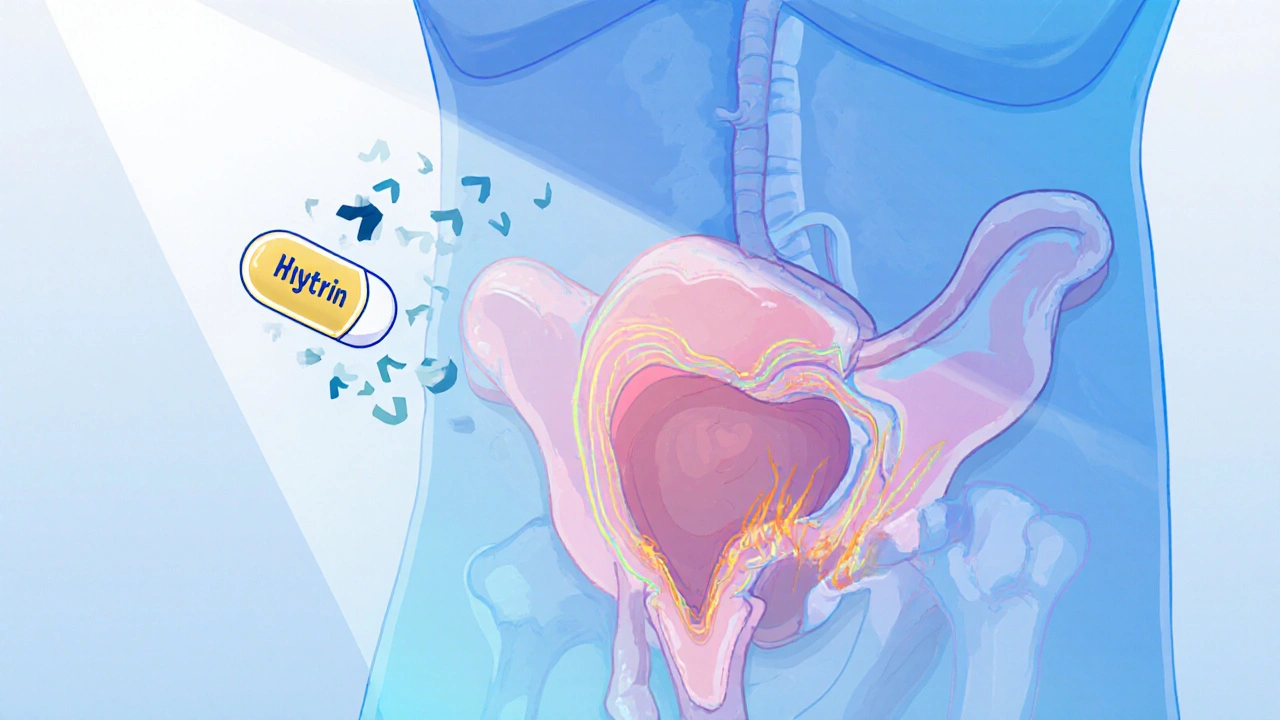
Hytrin is the brand name for Terazosin, an α1‑adrenergic blocker that relaxes smooth muscle in the prostate and bladder neck. Approved by the FDA in 1987, it’s prescribed for both benign prostatic hyperplasia (BPH) and hypertension. By blocking alpha‑1 receptors, Terazosin lowers urinary resistance and helps blood vessels stay dilated, which reduces blood pressure.
Why Look for Alternatives?
Even a well‑tolerated drug can feel shaky when side effects, dosing schedules, or cost become issues. Common reasons patients explore other options include:
- First‑dose dizziness or fainting (orthostatic hypotension).
- Need for a once‑daily pill instead of multiple doses.
- Drug interactions with existing heart or psychiatric meds.
- Insurance formulary restrictions or out‑of‑pocket expenses.
Below, we line up the top five alternatives and measure them against Hytrin on the factors that matter most.
Key Alternatives to Hytrin
All alternatives belong to the same drug class-α1‑adrenergic blockers-but they differ in selectivity, duration, and side‑effect profiles.
- Alfuzosin (brand name Uroxatral) - a non‑selective alpha blocker with a once‑daily dose.
- Tamsulosin (brand name Flomax) - more urethra‑specific, reducing cardiovascular side effects.
- Doxazosin (brand name Cardura) - similar to Terazosin but approved for hypertension first.
- Prazosin (brand name Minipress) - historically a blood‑pressure drug now used off‑label for BPH.
- Silodosin (brand name Rapaflo) - highly selective for prostate α1A receptors, minimizing blood‑pressure impact.
Side‑Effect Snapshot
Side effects often determine whether a patient sticks with a medication. The chart below condenses the most frequent adverse events for each drug.
| Medication | Common Side Effects | Rare but Serious |
|---|---|---|
| Hytrin (Terazosin) | Dizziness, headache, fatigue | Priapism, severe hypotension |
| Alfuzosin | Dizziness, constipation | Orthostatic hypotension (less frequent) |
| Tamsulosin | Retrograde ejaculation, dizziness | Intra‑operative floppy iris syndrome (IFIS) in eye surgery |
| Doxazosin | Dizziness, edema | Severe hypotension, liver dysfunction (rare) |
| Prazosin | Dizziness, headache | Severe hypotension, priapism (rare) |
| Silodosin | Diarrhea, dizziness | Priapism (very rare) |
Dosage Convenience
How often you take a pill can affect adherence. Here’s a quick rundown:
- Hytrin: Starts at 1 mg once daily, may increase to 10 mg; typically taken at bedtime to reduce first‑dose dizziness.
- Alfuzosin: Fixed 10 mg once daily, taken after the same meal each day.
- Tamsulosin: 0.4 mg once daily, same time each day; capsules should be swallowed whole.
- Doxazosin: 1 mg once daily, titrated up to 8 mg; can be split into twice‑daily if needed.
- Prazosin: Starts at 1 mg at bedtime, may be divided into 2‑3 doses.
- Silodosin: 8 mg once daily, taken after a meal.
Cost & Insurance Coverage
Price matters, especially for long‑term therapy. Generic Terazosin is usually the cheapest at roughly $0.05 / tablet in the U.S., while brand‑only drugs like Flomax (tamsulosin) can cost $2‑$3 per capsule if not covered. Many insurers place the generic α‑blockers (Terazosin, Doxazosin, Alfuzosin) on their preferred lists, which translates to lower co‑pays. Silodosin, being newer, often lands in a higher tier, driving up out‑of‑pocket costs.
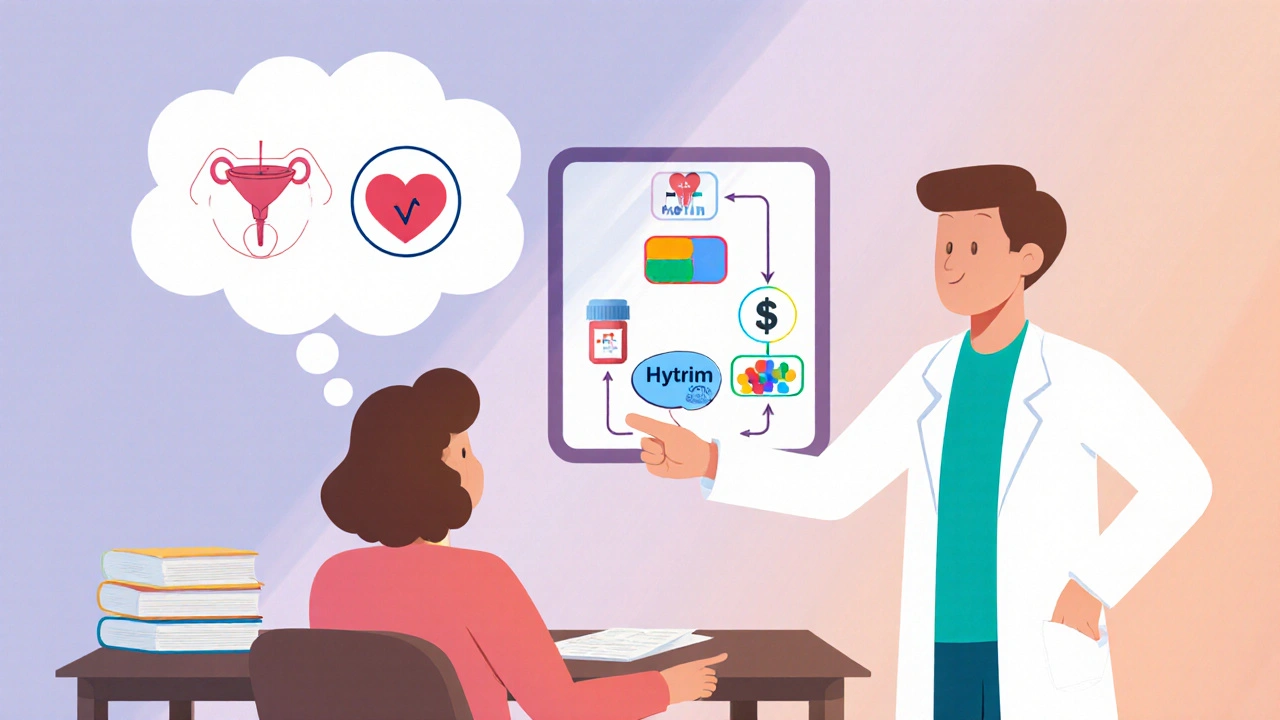
Choosing the Right Medication: Decision Checklist
Use this quick checklist during your next doctor visit:
- Primary symptom focus: If urinary flow is the main issue, Tamsulosin or Silodosin may give smoother relief with fewer blood‑pressure effects.
- Blood‑pressure profile: Patients with uncontrolled hypertension might benefit from Hytrin or Doxazosin, which treat both conditions.
- Risk of dizziness: Choose once‑daily agents taken at night (Alfuzosin, Silodosin) to minimize orthostatic episodes.
- Drug interactions: Avoid medications metabolized by CYP3A4 when using Tamsulosin; check with a pharmacist for each option.
- Cost constraints: Generic Terazosin is the most economical; verify formulary status before switching.
Key Takeaways
- Hytrin (Terazosin) is a versatile alpha blocker useful for BPH and hypertension, but it can cause first‑dose dizziness.
- Alfuzosin and Silodosin offer once‑daily dosing with fewer cardiovascular side effects.
- Tamsulosin is highly prostate‑selective, making it a favorite for men who experience sexual side effects from other drugs.
- Doxazosin and Prazosin are older agents that double as blood‑pressure meds, suitable for patients needing dual therapy.
- Cost, dosing convenience, and personal health profile should drive the final choice.
Frequently Asked Questions
What conditions does Hytrin treat?
Hytrin is approved for benign prostatic hyperplasia (BPH) and for managing high blood pressure. It works by relaxing smooth muscle in the prostate and dilating blood vessels.
How does Terazosin differ from Tamsulosin?
Terazosin blocks all α1‑adrenergic receptors, affecting both the prostate and blood vessels, which can cause more dizziness. Tamsulosin is more selective for the α1A receptors in the prostate, so it usually has fewer blood‑pressure‑related side effects.
Can I switch from Hytrin to an alternative without a doctor’s supervision?
No. All α‑blockers require a gradual taper to avoid sudden blood‑pressure changes. Your physician will plan a safe crossover schedule.
Which drug is least likely to cause sexual side effects?
Silodosin has a lower incidence of retrograde ejaculation compared with Tamsulosin, while Alfuzosin and Doxazosin have moderate rates. Discuss personal concerns with your urologist.
Is generic Terazosin covered by most insurance plans?
Yes. Because Terazosin has been generic for decades, it is usually placed on the preferred tier of formularies, resulting in low co‑pay amounts.
Next Steps for Patients
If you’re currently on Hytrin and are experiencing bothersome side effects, schedule a follow‑up with your urologist. Bring a list of any other medicines you take, because drug interactions can amplify dizziness. Ask about a trial of a once‑daily alternative like Alfuzosin or Silodosin if you prefer fewer pills.
For brand‑new patients, a shared‑decision conversation that weighs symptom severity, blood‑pressure control, and budget will lead to the best long‑term outcome.






9 Comments