Imagine you’ve been taking a life-changing medication for years. It works. You trust it. Then your doctor suggests switching to a new version that looks different on the label but promises the same results at a lower price. Your heart skips a beat. Is it safe? Will it still work? And why does the pharmacy bill look so confusing?
This is the reality for millions of patients navigating the world of biosimilars, which are highly similar biological products approved as alternatives to existing reference biologics. Unlike generic pills, these aren’t simple chemical copies. They’re complex molecules made by living cells, making them harder to understand-and often harder to afford upfront, even if they save money in the long run.
If you’re trying to make sense of biosimilars and their impact on your wallet, you’re not alone. The confusion stems from how these drugs are regulated, priced, and substituted. Let’s break down exactly what they are, how they differ from generics, and what they mean for your out-of-pocket costs.
What Exactly Is a Biosimilar?
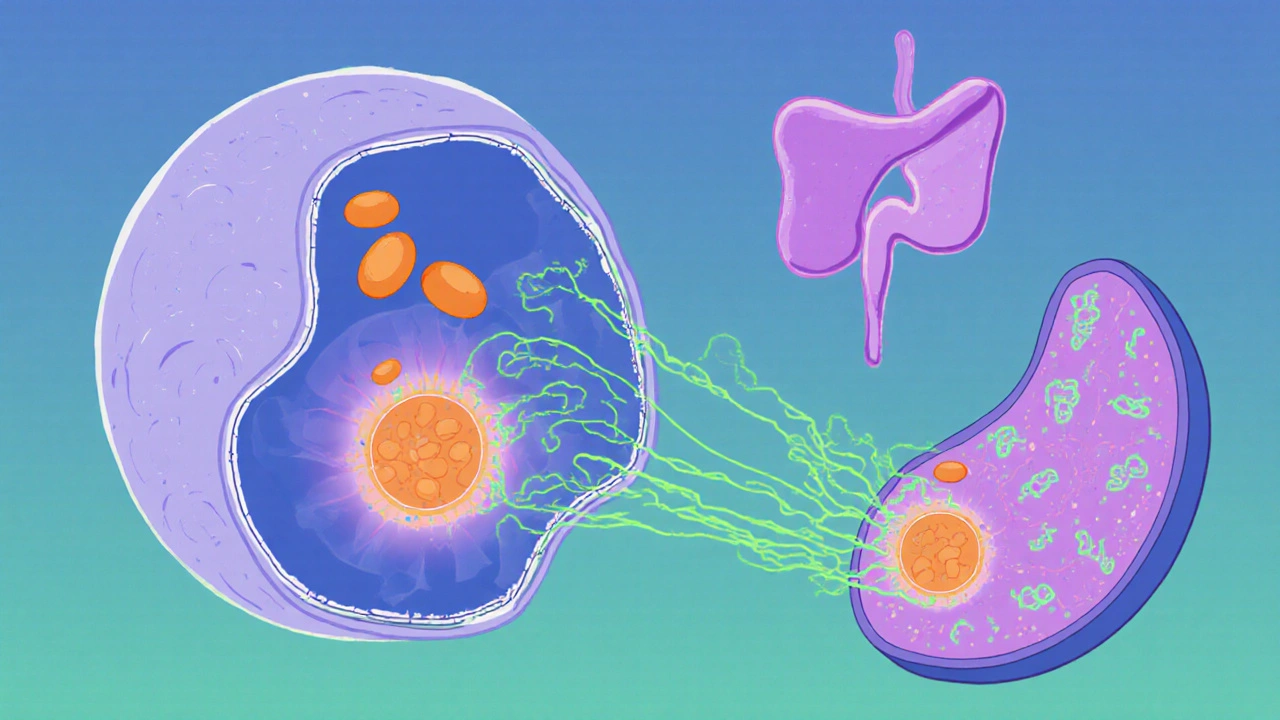
To understand biosimilars, you first need to understand biologics, which are large, complex drugs derived from living organisms like yeast or bacteria. Think of insulin, monoclonal antibodies for cancer, or treatments for rheumatoid arthritis. Because they’re built by living cells, no two batches are 100% identical-just like no two apples from the same tree are exact clones.
A biosimilar is a product that is "highly similar" to an already-approved biologic (called the reference product). The U.S. Food and Drug Administration (FDA) requires extensive testing to prove there are no clinically meaningful differences in safety, purity, or potency. This isn’t a quick process. It involves comparing structural characteristics, animal studies, and human clinical trials.
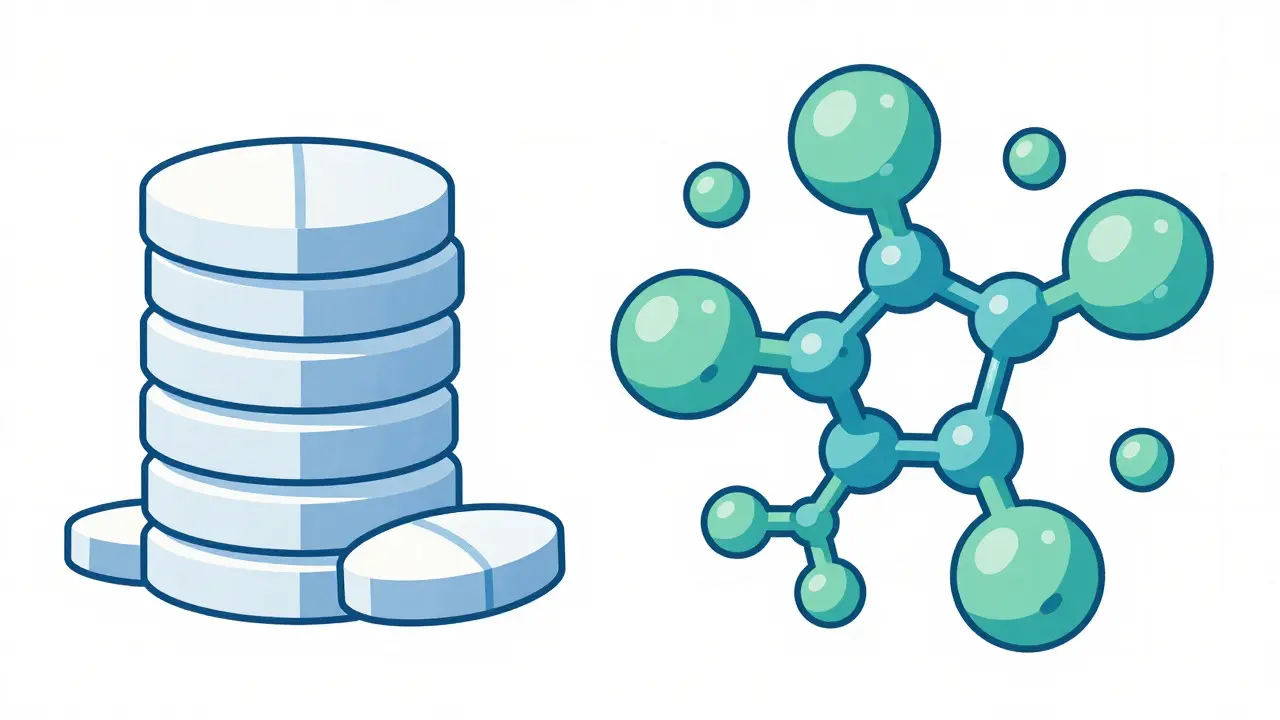
The key difference between a biosimilar and a traditional generic drug lies in complexity. A generic ibuprofen is chemically identical to the brand-name version. A biosimilar is not a copy; it’s a match within acceptable limits of natural variation. As noted in Pfizer’s 2022 white paper, this distinction matters because small changes in structure can affect how the drug behaves in the body.
| Feature | Generic Drug | Biosimilar |
|---|---|---|
| Molecular Structure | Identical copy | Highly similar, minor variations allowed |
| Manufacturing Source | Chemical synthesis | Living cells (yeast, bacteria) |
| Clinical Trials Required | Usually none (bioequivalence only) | Extensive analytical and clinical data |
| Substitution Rights | Automatic at pharmacy | Varies by state; often requires physician approval |
Why Do Biosimilars Matter for Healthcare Costs?
The primary goal of biosimilars is competition. When patent protections expire for expensive biologic drugs, biosimilars enter the market to drive prices down. According to the RAND Corporation’s 2021 study, biosimilars could save the U.S. healthcare system $54 billion between 2017 and 2026. That’s a massive number, but the reality on the ground has been more complicated.
In Europe, where pricing negotiations are centralized, biosimilars have captured up to 84% of certain markets within three years of launch. In the U.S., adoption has been slower due to fragmented insurance systems, patent litigation, and lack of automatic substitution laws. For example, while infliximab biosimilars reached 72% market share within 18 months, etanercept biosimilars struggled to gain traction due to aggressive legal tactics by the original manufacturer.
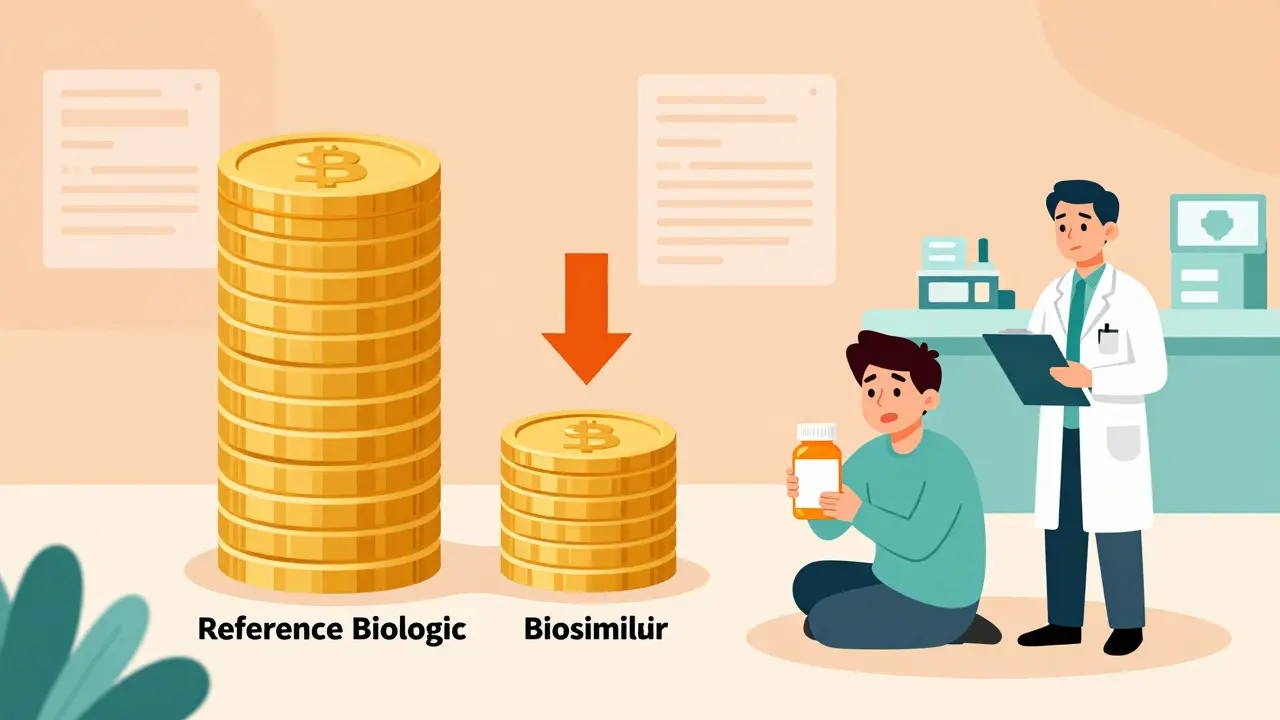
For patients, the cost implications vary widely. Some biosimilars launch with list prices 35% lower than the reference product. However, actual out-of-pocket costs depend on your insurance plan, formulary tier placement, and whether your state allows pharmacists to substitute without consulting your doctor.
Are Biosimilars Safe and Effective?
Safety is the biggest concern for many patients. After all, if a drug is made by living cells, how can we be sure it won’t trigger an immune response? The short answer: yes, they are safe. But let’s dig deeper.
The FDA uses a "totality of evidence" approach, meaning every aspect of the biosimilar-from its molecular structure to its performance in humans-is compared against the reference product. Dr. Gary Lyman, a professor at Fred Hutchinson Cancer Research Center, confirmed in a 2022 JAMA Oncology editorial that biosimilars have demonstrated equivalent efficacy and safety across thousands of patients in multiple trials.
Real-world data supports this. The European Medicines Agency (EMA), which approved the world’s first biosimilar in 2006, reported 16 years of post-marketing surveillance with no unexpected safety issues. Similarly, the NOR-SWITCH trial published in The Lancet found no increased risk of immunogenicity (immune reactions) when patients switched from reference biologics to biosimilars.
That said, some experts caution about frequent switching. Dr. Almut Winterstein from the University of Florida noted in Health Affairs that while single switches show comparable outcomes, multiple switches between reference products and biosimilars require additional monitoring. If you’re stable on a medication, don’t switch just for curiosity.
How Much Can You Actually Save?
Let’s talk numbers. List prices for biosimilars are typically 15-30% lower than reference biologics initially. Over time, as more competitors enter the market, those discounts can grow. For instance, Humira biosimilars launched in the U.S. in 2023 with list prices around $5,054 per month, compared to Humira’s $7,000-a 28% reduction.
But here’s the catch: list price doesn’t equal what you pay. Insurance companies negotiate rebates, and those savings don’t always pass directly to patients. In fact, some studies suggest that high rebates can lead to higher deductibles or copays for individuals.
The Inflation Reduction Act of 2022 helps change this dynamic. Starting in 2024, Medicare Part D beneficiaries see reduced cost-sharing for biosimilars, capped at 25%. This policy shift aims to incentivize both providers and patients to choose biosimilars over pricier reference products.
- Private Insurance: Check your formulary. Many plans now place biosimilars on preferred tiers with lower copays.
- Medicare: New rules reduce out-of-pocket costs significantly for eligible seniors.
- Uninsured Patients: Look into patient assistance programs offered by manufacturers or nonprofit organizations.
Navigating Substitution Laws and Provider Roles
One major hurdle in biosimilar adoption is substitution law. In most U.S. states, pharmacists cannot automatically swap a reference biologic for a biosimilar without physician approval. Only six biosimilars currently hold "interchangeable" status, meaning they meet additional standards for repeated switching.
This creates a bottleneck. Doctors must be comfortable prescribing biosimilars, and patients must feel confident accepting them. An ASCO survey of oncologists found that 78% needed 1-2 hours of continuing education before feeling confident prescribing biosimilars. The main challenge wasn’t science-it was navigating payer-specific coverage requirements.
If your doctor suggests a switch, ask questions: - What evidence supports this specific biosimilar? - How will my insurance handle it? - What happens if I experience side effects? Good providers will spend 10-15 minutes explaining the rationale, as one rheumatologist shared on Reddit. Don’t hesitate to request that conversation.
Patient Experiences and Common Concerns
Real people use real biosimilars, and their experiences matter. The Arthritis Foundation surveyed 1,200 patients in 2022 and found that 87% reported no difference in effectiveness compared to reference biologics. Meanwhile, 72% cited lower out-of-pocket costs as a benefit.
Still, 28% had initial concerns about efficacy. These worries usually faded after discussions with healthcare providers. On Drugs.com, reviews for Renflexis (a Remicade biosimilar) averaged 4.2 out of 5 stars, with users praising its affordability and effectiveness. Negative feedback focused mostly on insurance hurdles, not medical outcomes.
Your experience may vary based on condition severity, prior treatment history, and psychological comfort with change. There’s no shame in expressing doubt. Education bridges the gap between fear and confidence.
Future Trends and Market Outlook
The global biosimilars market was valued at $9.3 billion in 2022 and is projected to reach $33.3 billion by 2028, growing at a compound annual growth rate (CAGR) of 23.5%. This expansion reflects increasing patent expirations for blockbuster biologics like Stelara and Enbrel.
We’re also seeing the rise of "biobetters"-next-generation biologics designed to improve upon reference products in terms of dosing frequency, delivery method, or efficacy. While distinct from biosimilars, they add another layer of choice for patients and providers.
Looking ahead, the Congressional Budget Office projects that full biosimilar penetration could save the U.S. healthcare system $150 billion annually by 2030. Achieving this requires overcoming current barriers: resolving patent thickets, streamlining reimbursement processes, and educating stakeholders.
Can my pharmacist automatically switch me to a biosimilar?
In most U.S. states, no. Pharmacists generally need physician approval unless the biosimilar holds "interchangeable" designation and your state allows automatic substitution. Always check with your provider and local regulations.
Are biosimilars less effective than the original drug?
No. The FDA requires rigorous testing to ensure biosimilars have no clinically meaningful differences in safety, purity, or potency. Clinical trials and real-world data consistently show equivalent outcomes.
Will switching to a biosimilar increase my risk of side effects?
Studies like the NOR-SWITCH trial found no increased risk of immunogenicity or adverse events when patients switched to biosimilars. Individual responses can vary, so monitor closely during transitions.
How much cheaper are biosimilars really?
List prices are typically 15-30% lower initially, with potential for greater reductions over time. Actual savings depend on insurance coverage, formulary placement, and regional policies. Medicare patients benefit from recent legislative changes reducing cost-sharing.
What should I ask my doctor before switching to a biosimilar?
Ask about the scientific evidence supporting the switch, how your insurance handles billing, expected cost savings, and protocols for managing any potential side effects. Understanding the rationale builds trust and confidence.