Have you ever picked up a prescription and hesitated because the pill looked different from the one your doctor originally prescribed? Or maybe you saw a headline about "contaminated generics" and decided to pay extra for the brand-name version, just to be safe? You are not alone. While Generic Drugs is a type of medication that contains the same active ingredients as its brand-name counterpart but is typically sold at a lower price, public trust in them remains surprisingly fragile. This skepticism often has less to do with science and more to do with what we read in the news.
The gap between scientific consensus and public perception is stark. Research indicates that while FDA confirms that approved generics must meet strict standards of quality, safety, and efficacy, many patients still view them as inferior. A significant driver of this distrust is Media Coverage. News stories rarely present the full picture of therapeutic equivalence, often focusing on isolated incidents or using brand names exclusively, which subtly reinforces the idea that the original product is the "real" thing.
The Power of the Headline: How News Frames Generics
When a news outlet reports on a medication study, how they name the drug matters more than most people realize. A study published in JAMA Network found that only 2% of newspapers had written policies requiring journalists to use generic names predominantly. Instead, articles frequently refer to medications by their catchy brand names. This practice does two things: it makes the brand feel more legitimate and familiar, and it hides the fact that a cheaper, equivalent alternative exists.
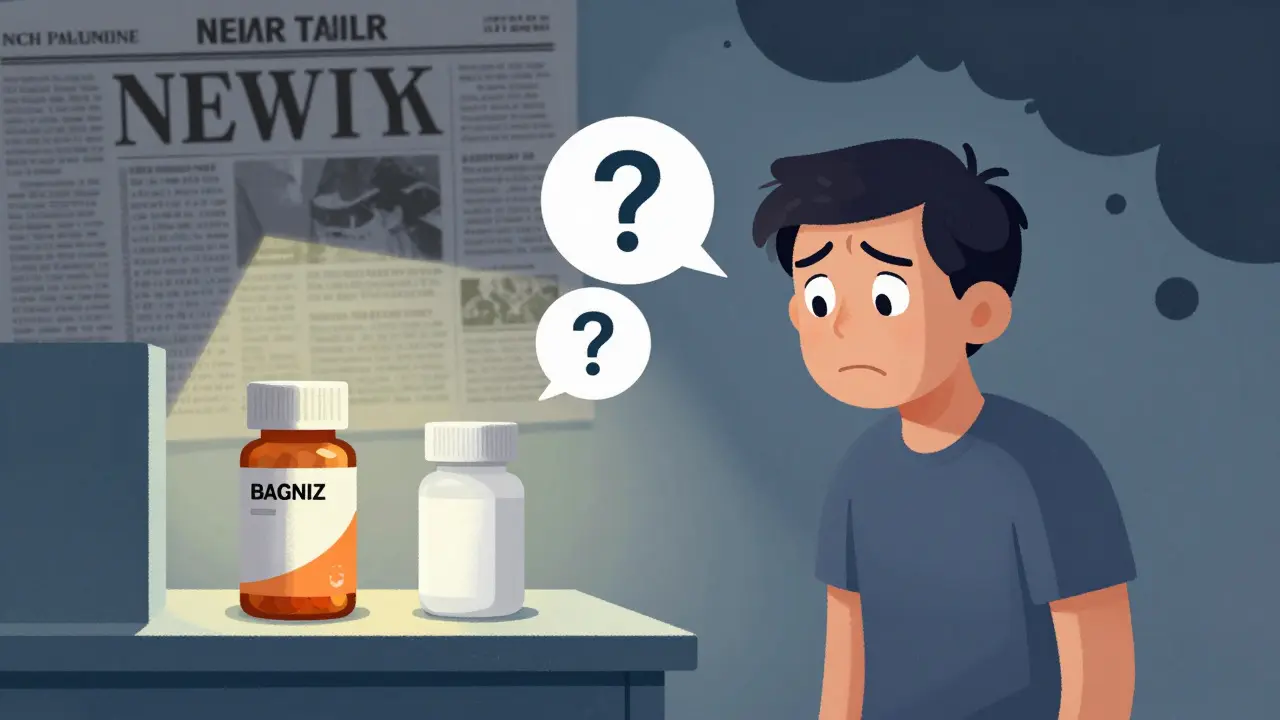
Consider the impact of headlines like "Medicines Made in India Set Off Safety Worries" or "Contaminated Generic Drugs Reveal an Urgent Public Health Crisis." These stories grab attention because they trigger fear. However, they often fail to disclose whether the pharmaceutical company funding the research stands to gain from the narrative. When readers see these stories, they associate the negative outcome with the category of "generics" rather than a specific manufacturing error. This creates a halo effect in reverse: the brand-name drug feels safer simply because it isn't being blamed in the headline.
The Knowledge Gap: Why Patients Can't Tell the Difference
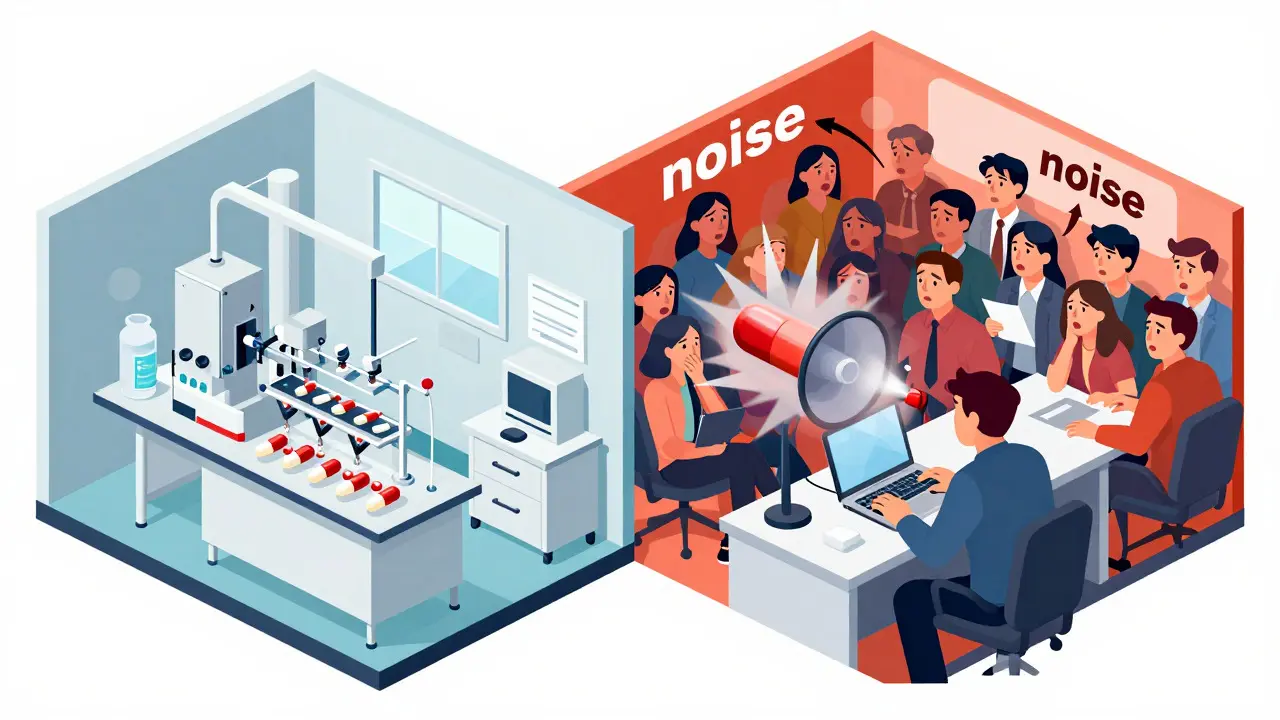
If the science says generics work just as well, why do so many people doubt them? Part of the answer lies in basic knowledge gaps. According to a 2023 study, only 17% of respondents could correctly recognize a generic medicine package. Even more strikingly, approximately 40% failed to differentiate between generic and brand medicines when asked directly. This lack of familiarity makes people vulnerable to media narratives. If you don't know what a generic looks like or how it's regulated, you are more likely to believe a scary headline than a dry regulatory document.
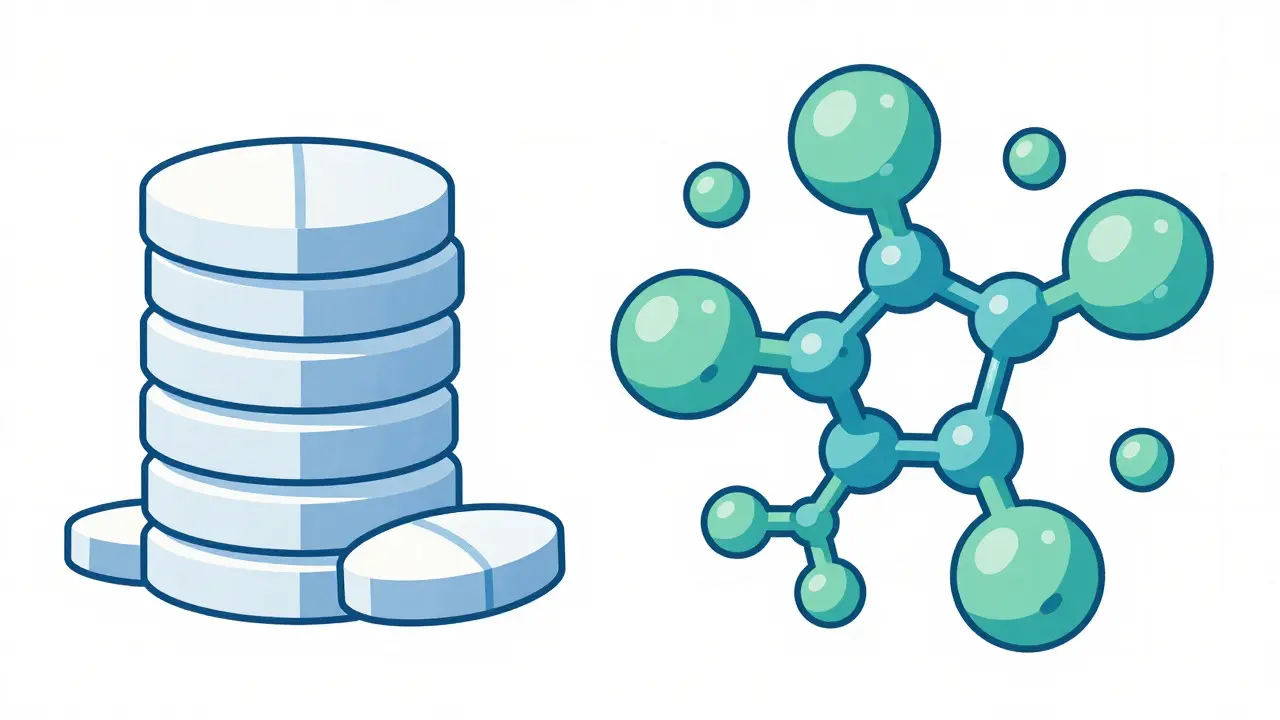
This confusion is exacerbated by the visual differences between pills. Brand-name drugs often have distinctive colors and shapes designed for marketing recognition. Generics, while chemically identical, may look different due to inactive ingredients like dyes or fillers. Without explicit education, patients assume that "different looking" means "different working." Media coverage rarely explains this nuance, leaving the door open for speculation.
The 90-Day Window: When Bad News Hits Hard
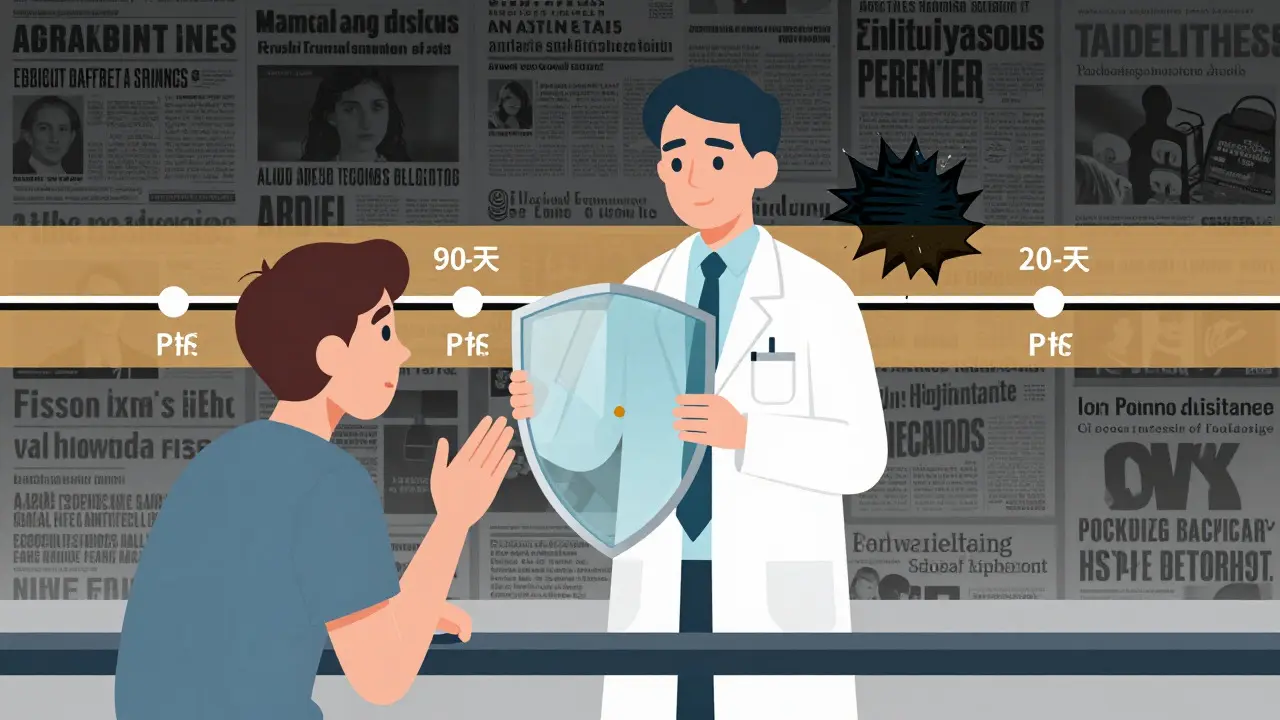
Timing plays a crucial role in how media influences drug choice. A University of Texas at Dallas study revealed that the negative impact of bad medical news on generic drug selection is most pronounced within the first 90 days following health test results. Imagine receiving unfavorable lab results. You are already anxious. Then you see a news story questioning the safety of your new medication. The combination of personal health anxiety and external media skepticism pushes many patients toward the brand-name option, viewing it as a premium safeguard against risk.
This period is critical for healthcare providers. If a doctor or pharmacist doesn't proactively address these fears during this window, the media fills the void. The result is a shift away from cost-effective generics, which can lead to higher out-of-pocket costs and potentially lower adherence rates if the patient cannot afford the brand-name drug long-term.
What the Science Actually Says
Despite the noise, the data supports generics. The U.S. Food and Drug Administration requires that all approved generics demonstrate "sameness" to the brand-name product. This means they must have the same active ingredient, strength, dosage form, and route of administration. While there may be minor differences in design or usability-particularly in complex generics like inhalers or autoinjectors-these do not affect clinical outcomes for patients.
Economically, generics are a win-win. An HHS ASPE report documented that drug prices decline by 20% in markets with approximately three generic competitors. This competition drives down costs, making healthcare more accessible. Yet, media coverage often focuses on isolated price increases rather than these broader market trends, creating a distorted view of the financial landscape.
| Aspect | Common Media Narrative / Perception | Scientific & Regulatory Reality |
|---|---|---|
| Active Ingredients | Generics might have weaker or different ingredients. | Must contain the exact same active ingredient as the brand. |
| Safety Standards | Lower oversight leads to contamination risks. | FDA enforces identical Good Manufacturing Practices (GMP) for both. |
| Cost Impact | Prices are rising uncontrollably. | Competition typically reduces prices by ~20% with multiple entrants. |
| Patient Adherence | Patients skip doses due to distrust. | Adherence is often higher with generics due to affordability. |
The Role of Healthcare Providers in Countering Media Bias
You might think that if the government regulates the drugs, the public should trust them. But human psychology works differently. A systematic review found that patient trust in their physician often overrules their personal mistrust of generic medicines. This makes healthcare providers the frontline defense against media-induced skepticism. When a pharmacist takes the time to explain that a generic pill is held to the same high standards as the brand, patient confidence improves significantly.
However, this requires effort. Many providers assume patients already know the difference. In reality, pharmacists are in a unique position to bridge this gap. By actively discussing the value, safety, and efficacy of generic drugs, they can counteract the subtle biases introduced by daily news consumption. It’s not just about dispensing the medication; it’s about educating the patient on why the switch is safe and beneficial.
Strategies for Improving Generic Drug Literacy
So, how do we fix this? It’s a multi-pronged approach. First, news publications need to implement and enforce written policies stating that all news articles about medical research must indicate study funding and should predominantly use generic names. Second, medical journals can help by making disclosures of funding sources more prominent in their press releases. Third, targeted educational campaigns are needed to improve generic drug literacy among adults, adolescents, and even healthcare providers.
For patients, the takeaway is simple: don’t let a headline dictate your health decisions. Ask your doctor or pharmacist questions. Understand that minor visual differences in pills are normal and do not indicate lower quality. And remember that choosing a generic is often a smart, evidence-based decision that supports both your wallet and your treatment adherence.
Are generic drugs really as effective as brand-name drugs?
Yes. The FDA requires that all approved generics demonstrate therapeutic equivalence to the brand-name product. This means they must have the same active ingredient, strength, and dosage form. Clinical studies consistently show that generics perform just as well as their brand-name counterparts in treating conditions.
Why do some news stories make generics seem unsafe?
News stories often focus on isolated incidents, such as manufacturing errors or contamination issues, without providing context on the overall safety record. Additionally, many articles use brand names exclusively, which can subconsciously frame the brand as the "standard