
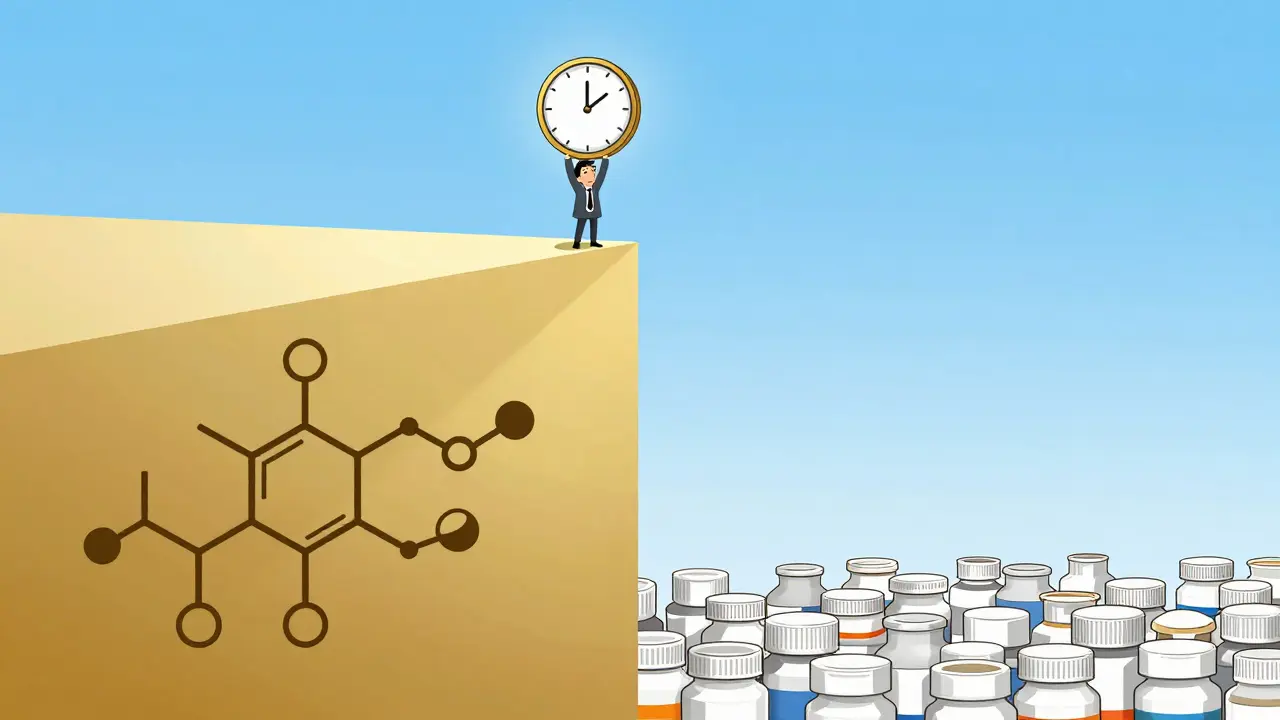
Most people toss out expired medications the moment the date on the bottle passes. But what if that date isn’t the real deadline? What if your old ibuprofen or amoxicillin is still perfectly fine to use-years after it’s supposed to have gone bad?
Expiration Dates Aren’t What You Think
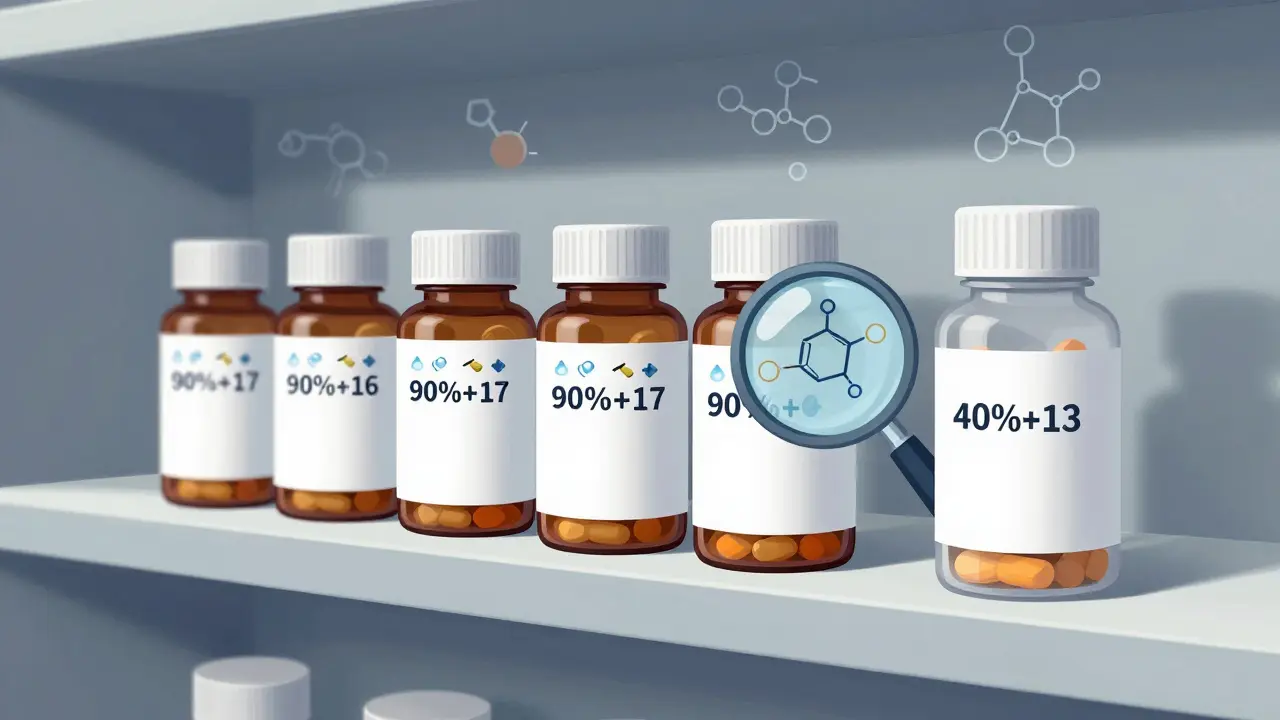
The date printed on your medicine bottle isn’t a magic expiration time when the drug suddenly turns useless or dangerous. It’s a guarantee from the manufacturer that the medication will be at least 90% as potent as labeled up to that date. After that, they’re not required to prove anything. The FDA doesn’t force drugmakers to test how long medications actually last-only that they work for 12 to 60 months after production. That’s it. No long-term studies. No real data on whether your 10-year-old aspirin still works.Science Says Most Drugs Last Way Longer
In 2012, researchers from the University of California-San Francisco tested 14 different prescription drugs that had expired 28 to 40 years earlier. These weren’t random bottles from a basement-they were sealed, properly stored, and kept in controlled conditions. The results? Twelve of the 14 drugs still had at least 90% of their original potency. Eight of them were still at full strength after 40 years. The only two that consistently dropped below that threshold? Aspirin and amphetamine. Even then, aspirin didn’t become harmful-it just lost a bit of punch. Most other pills, including antibiotics, painkillers, and blood pressure meds, held up like they were freshly manufactured. This isn’t an outlier. The U.S. Department of Defense has been running a program since 1986 called the Shelf-Life Extension Program (SLEP). They test stockpiled military drugs-thousands of them-to see how long they last. Out of 122 different medications tested, 88% were found safe and effective for at least one extra year. On average, their usable life was extended by 66 months. One drug lasted over 23 years past its original date.Not All Medicines Are Created Equal
Here’s the catch: not every drug behaves the same. Solid pills and capsules? They’re the champions of longevity. If they’re kept dry, cool, and sealed, they can last decades. Liquid medications? Not so much. Insulin, liquid antibiotics, eye drops, and suspensions break down faster. Once opened, they’re exposed to air and moisture, which speeds up degradation. Epinephrine auto-injectors (like EpiPens) also lose potency over time. A 2012 study found that even one year past expiration, some EpiPens delivered less than the full dose needed to stop a severe allergic reaction. Other drugs you should never use past their expiration date:- Nitroglycerin - Used for heart attacks. Even a small drop in potency could be deadly.
- Insulin - If it’s not working right, your blood sugar goes haywire.
- Liquid antibiotics - If the dose is too low, you risk antibiotic resistance.
- Tetracycline - Can become toxic after expiration, damaging kidneys.
- Mefloquine - An antimalarial. If it’s weak, you could get sick in a high-risk area.
Storage Matters More Than You Think
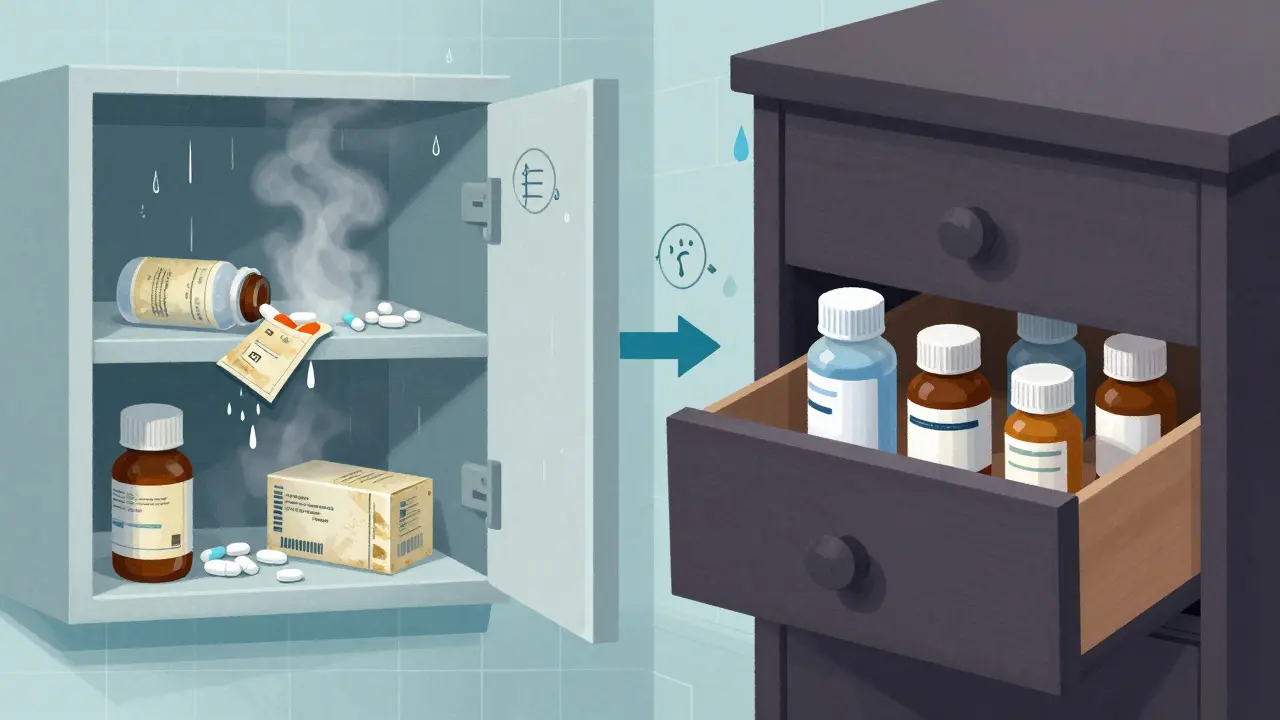
Where you keep your meds makes a huge difference. If you leave your pills in a hot bathroom cabinet, near the shower, or in direct sunlight, they’ll break down faster-even before the expiration date. The best place? A cool, dry spot away from light. A bedroom drawer is better than a bathroom. Keep them in their original bottles with the child-resistant cap tight. Don’t transfer them to pill organizers unless you’re using them within a few weeks. Once you move them out of the factory-sealed container, moisture and air get in. That’s when degradation really starts. A 2006 study in the Journal of Pharmaceutical Sciences found that two-thirds of expired drugs were still stable-if they were stored properly. But those stored in poor conditions? They were useless.Why Do Manufacturers Set Such Short Dates?
It’s not about science. It’s about money. Drug companies don’t have to prove how long a medicine lasts. They only need to prove it works for a year or two. Why? Because longer expiration dates mean fewer repeat purchases. If your blood pressure pill lasts 10 years instead of 2, you’re not buying new bottles as often. That cuts into profits. The FDA doesn’t require long-term testing. And manufacturers have no incentive to pay for it. So they set conservative dates-not because the drugs expire, but because it’s easier to manage liability and sales.What About Safety? Are Expired Drugs Dangerous?
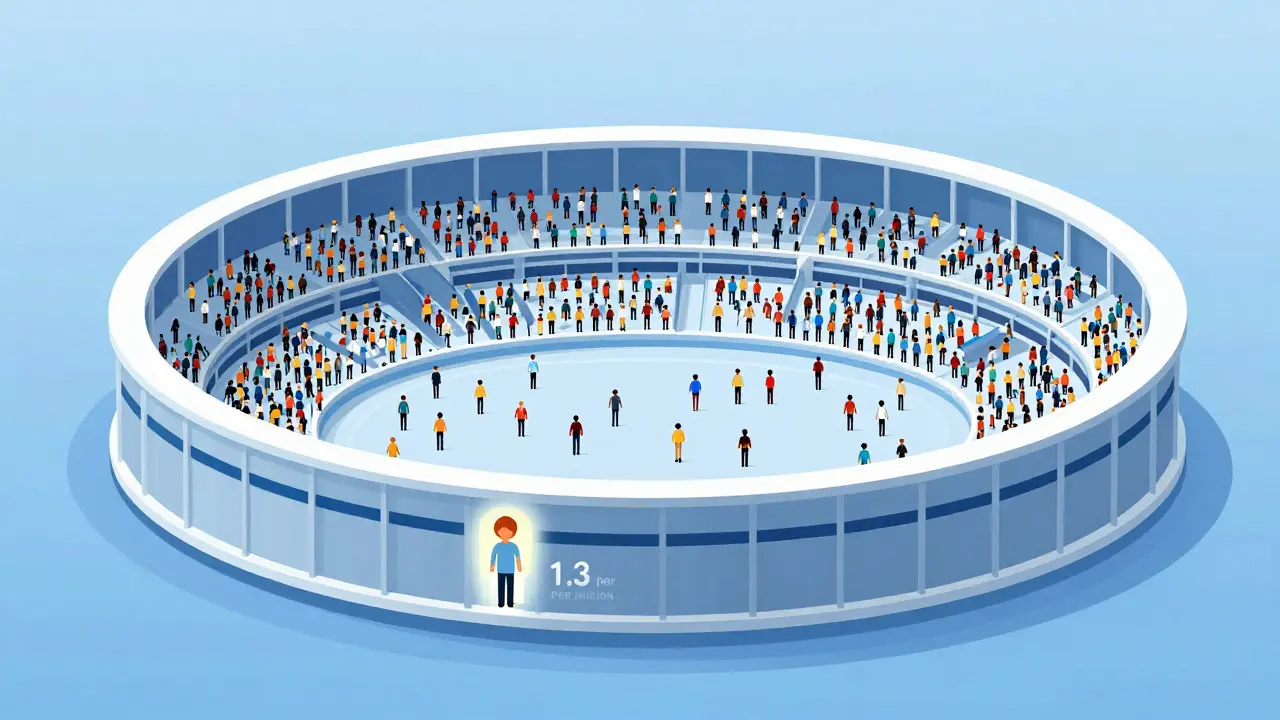
For most pills, no. There’s almost no documented case of someone getting seriously sick from taking an expired tablet or capsule that was stored properly. The risk isn’t toxicity-it’s reduced effectiveness. You might not get the full benefit. But here’s the real danger: if you’re relying on a medication for something critical-like an asthma inhaler, an EpiPen, or heart medication-and it’s degraded, you could be putting your life at risk. That’s why the FDA still warns against using expired drugs. They’re not saying all expired meds are dangerous. They’re saying: Don’t gamble with the ones that could kill you if they fail.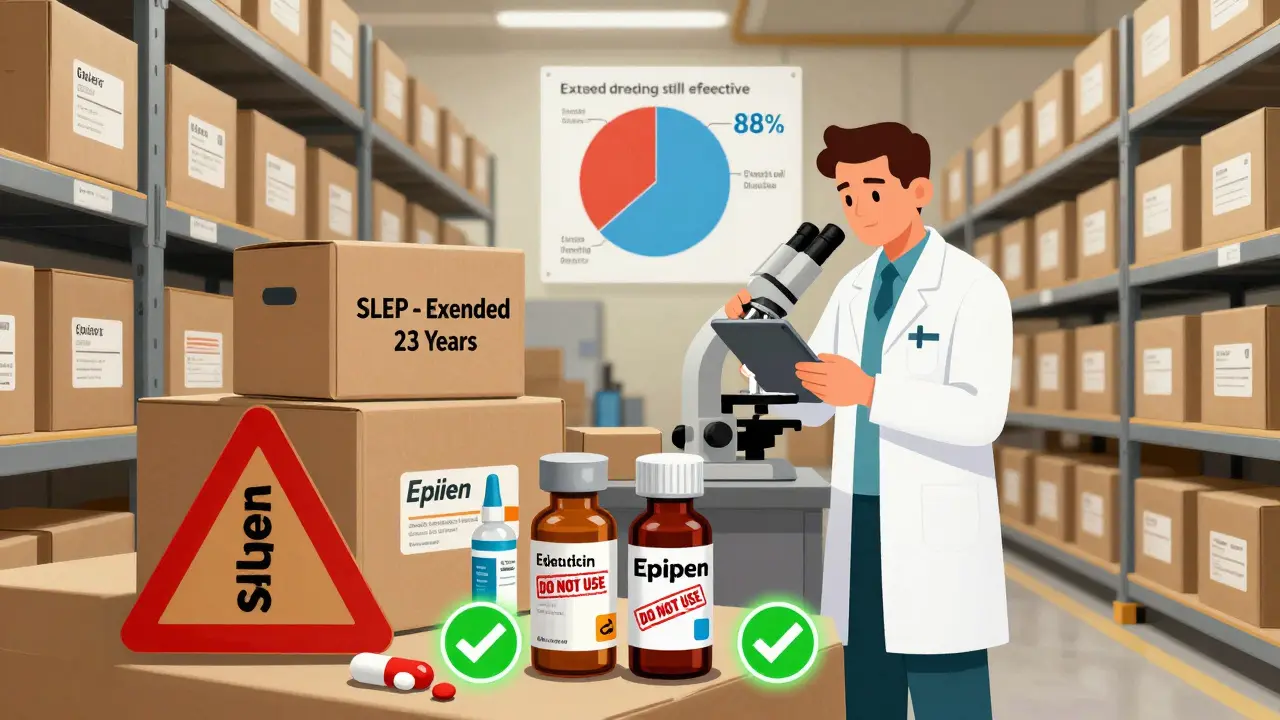
Should You Use Expired Medication?
It depends. If you’re out of your regular painkiller and the bottle says it expired six months ago? If it’s been stored in a cool, dark drawer and looks normal (no discoloration, crumbling, or odd smell), it’s probably fine. You’re not going to hurt yourself. But if it’s an antibiotic you need for an infection? Or a heart medication? Or an EpiPen? Don’t risk it. Get a new one. The California Poison Control System says most people know not to use insulin or nitroglycerin past expiration. But many still think it’s safe to take old antidepressants or allergy pills. That’s where the confusion lies.What’s the Bottom Line?
Most solid medications-especially those kept sealed and cool-stay effective for years, sometimes decades, past their expiration date. But you can’t assume that’s true for every drug. Liquid meds, injectables, and critical life-saving drugs are exceptions. Expiration dates are a legal and marketing tool, not a scientific cutoff. The real question isn’t “Is it expired?” It’s:- What kind of drug is it?
- How was it stored?
- Is it critical to my health?
Why This Matters
Americans spend over $300 billion a year on prescription drugs. A huge chunk of that money goes to replacing pills that are still perfectly usable. The Department of Defense saved millions by extending drug shelf lives. Imagine if hospitals, pharmacies, and households did the same. This isn’t about hoarding old meds or ignoring safety. It’s about stopping waste. About using science-not fear-to make smarter choices. And about asking: Who really benefits from these short expiration dates?Are expired pills dangerous to take?
For most solid medications like pills and capsules stored properly, expired pills are not dangerous-they’re just less effective. There’s almost no evidence of toxicity from expired tablets. The real risk is reduced potency, especially with critical drugs like insulin, EpiPens, or antibiotics. Never take expired tetracycline, nitroglycerin, or liquid antibiotics-they can become unsafe.
How long do pills last after the expiration date?
Many pills remain at least 90% potent for 5 to 10 years after expiration, and some last decades if stored in a cool, dry, dark place. A 2012 study found 12 out of 14 drugs tested were still effective after 40 years. However, this applies only to unopened, sealed tablets and capsules. Liquids, creams, and injectables degrade much faster.
Should I throw away expired medication?
Don’t throw away every expired pill right away. Check the type. Solid medications like ibuprofen, acetaminophen, or antihistamines stored properly can likely be used safely for years past expiration. But discard any liquid antibiotics, insulin, EpiPens, nitroglycerin, or eye drops after they expire. If you’re unsure, ask your pharmacist.
Can I store meds in the fridge to make them last longer?
Only if the label says to. Most pills don’t need refrigeration. In fact, moisture from the fridge can make them degrade faster. Store them in a cool, dry place like a bedroom drawer. Insulin and some liquid antibiotics do require refrigeration, but even those have expiration limits after being opened.
Why do drug companies set such short expiration dates?
It’s not based on science-it’s business. Manufacturers only need to prove a drug is effective for 12 to 60 months. Testing long-term stability is expensive, and longer expiration dates mean fewer repeat purchases. There’s no financial incentive to prove a pill lasts 10 years, even if it does.




11 Comments