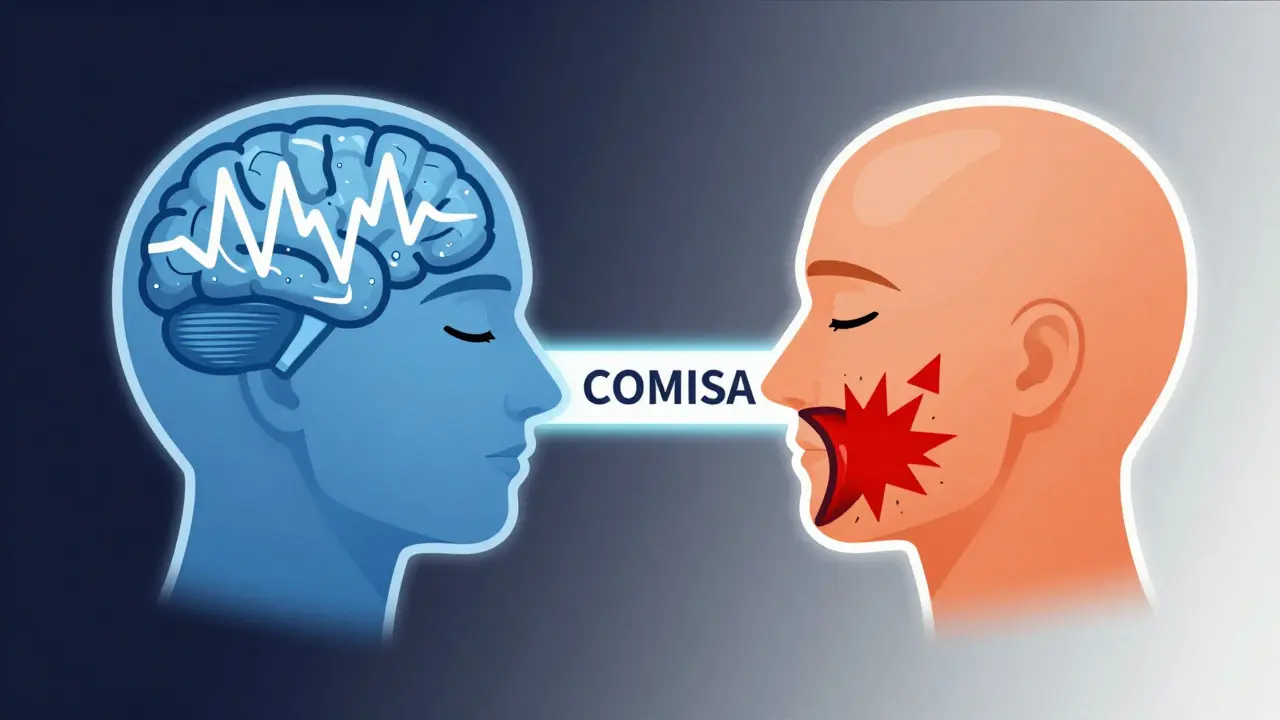
Waking up exhausted despite spending eight hours in bed is a frustrating reality for millions. If you have been diagnosed with both insomnia and obstructive sleep apnea (OSA), you are dealing with a specific clinical condition known as COMISA (Co-Morbid Insomnia and Sleep Apnea). This isn't just two separate problems; it is a distinct entity that affects nearly half of all OSA patients. Treating one without the other often leads to failure, leaving you tired, anxious, and struggling to use your prescribed equipment.
The core challenge with COMISA is that standard treatments frequently clash. Continuous Positive Airway Pressure (CPAP) machines can disrupt sleep if you already struggle to fall asleep or stay asleep. Conversely, treating only insomnia ignores the dangerous breathing pauses that characterize OSA. The good news? When managed together using a combined approach, outcomes improve dramatically. This guide breaks down how to navigate this complex diagnosis, what treatments actually work, and how to get the most out of your care plan.
Understanding the COMISA Diagnosis
COMISA was formally defined by Dr. Alexander Sweetman during research at Flinders University. It refers to the simultaneous presence of chronic insomnia disorder and obstructive sleep apnea in the same individual. Research published in the Journal of Clinical Sleep Medicine indicates that approximately 39% to 58% of people diagnosed with OSA also meet the criteria for insomnia. This high overlap means that if you have OSA, there is a significant chance you are also living with untreated insomnia.
Diagnosing COMISA requires more than just a night of monitoring. A standard polysomnography (PSG) test identifies OSA by measuring your Apnea-Hypopnea Index (AHI). However, it doesn't automatically diagnose insomnia. Clinicians must use structured interviews and tools like the Insomnia Severity Index (ISI). An ISI score of 15 or higher typically indicates clinically significant insomnia. In COMISA cases, sleep maintenance insomnia (waking up during the night) is far more common than sleep onset insomnia (trouble falling asleep), occurring in about 68% of these patients. Recognizing this distinction is vital because it dictates which therapeutic techniques will be most effective for you.
Why Standard Treatments Often Fail
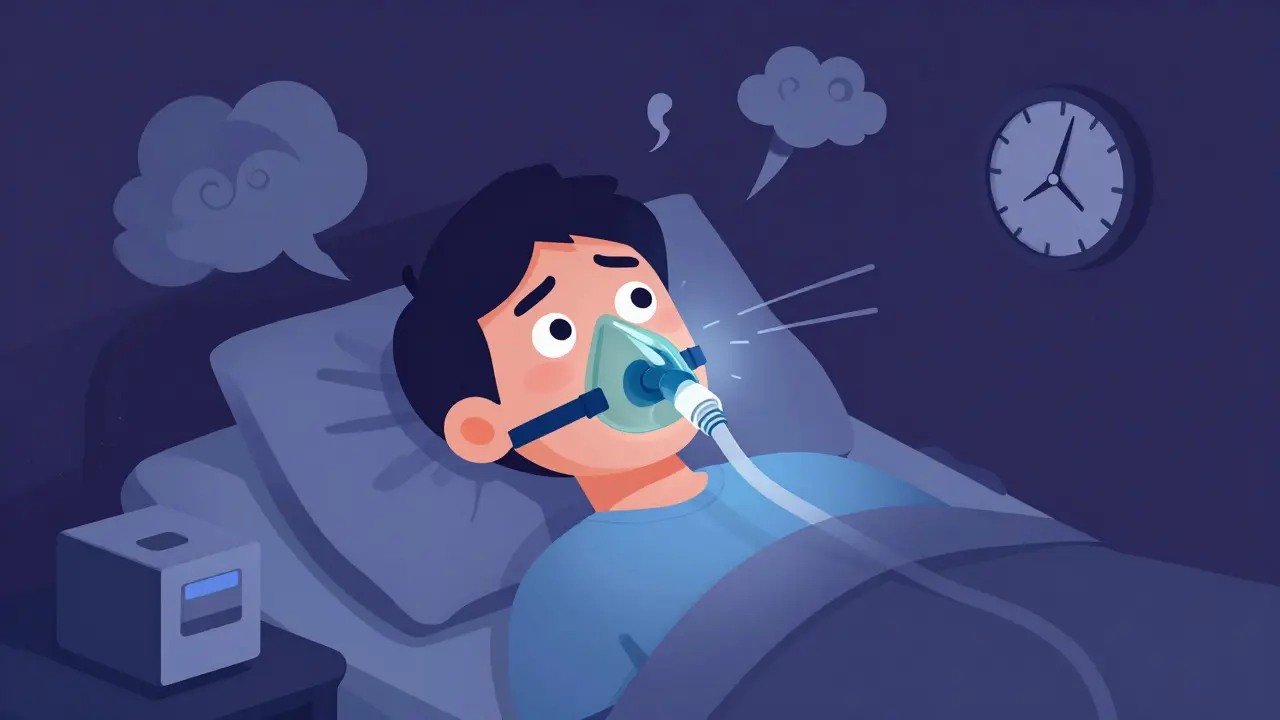
If you have tried CPAP and quit within a few months, you are not alone. Adherence rates for CPAP drop significantly when insomnia is present. Studies show that while OSA-only patients maintain an average adherence rate of around 62%, those with COMISA see that number plummet to roughly 43%. Why? Because the mask, the noise, and the air pressure can trigger anxiety or discomfort, making it harder to initiate sleep. For someone who already struggles to relax their mind, adding a mechanical device to the face can feel like another barrier rather than a solution.
On the flip side, treating insomnia alone with medication or behavioral therapy ignores the respiratory events that fragment your sleep architecture. Even if you fall asleep faster, your brain may still wake you up due to oxygen drops caused by apnea. This creates a vicious cycle where poor sleep quality worsens daytime fatigue, which can exacerbate anxiety, further complicating sleep initiation. The result is a persistent feeling of being "sleep-deprived" no matter how long you lie in bed.
The Power of Combined Therapy: CBT-I and CPAP
The gold standard for managing COMISA is a concurrent approach that addresses both conditions simultaneously. This usually involves combining Cognitive Behavioral Therapy for Insomnia (CBT-I) with CPAP therapy. CBT-I is the first-line non-pharmacological treatment for insomnia, effective for 70-80% of patients. When paired with CPAP, it helps retrain your brain to associate the bed with sleep, even while wearing a mask.
Recent randomized controlled trials demonstrate the superiority of this combined model. One study found that patients receiving both CBT-I and CPAP showed a 54% improvement in insomnia symptoms and increased CPAP usage by 1.2 hours per night compared to those who received only sleep education. Another multi-site trial revealed that 63% of COMISA patients achieved remission of insomnia symptoms with combined treatment, versus only 29% with CPAP alone. The mechanism is simple: CBT-I reduces the psychological resistance to the CPAP mask, while CPAP stabilizes breathing, allowing the behavioral changes from therapy to take hold.
| Approach | Primary Focus | Typical Outcome | Key Limitation |
|---|---|---|---|
| CPAP Only | Airway patency | 85-90% efficacy for OSA | Low adherence (42-43%) if insomnia persists |
| CBT-I Only | Sleep hygiene & cognition | 70-80% efficacy for insomnia | Does not treat respiratory events |
| Combined (CBT-I + CPAP) | Dual management | 63% insomnia remission; improved CPAP use | Requires coordination between specialists |
Navigating the Diagnostic Process
Getting an accurate COMISA diagnosis can be tricky because primary care physicians often treat the more obvious symptom first. Many patients wait years before receiving a dual diagnosis. To speed up this process, ask your provider for a comprehensive evaluation that includes both a home sleep apnea test or in-lab PSG and a detailed sleep history questionnaire. Look for providers who use the COMISA Severity Index or similar integrated assessment tools. These tools help quantify the interplay between your breathing issues and sleep disturbances, ensuring that neither condition is overlooked.
If you have access to digital health platforms, some now offer modules specifically designed for comorbid conditions. While traditional CBT-I programs are excellent, newer digital versions (dCBT-I) can provide initial guidance. However, keep in mind that digital tools are generally more effective for mild-to-moderate cases. If your AHI is above 15 or your insomnia is severe, in-person or telehealth support from a trained sleep psychologist is usually necessary for best results.
Practical Strategies for Daily Management
Managing COMISA is a lifestyle adjustment, not just a medical prescription. Here are practical steps to integrate into your routine:
- Gradual CPAP Introduction: Don't expect perfection on night one. Use the ramp feature to start with lower pressure and increase it slowly over weeks. Practice wearing the mask while awake during the day to reduce novelty and anxiety.
- Stimulus Control: Reserve your bed for sleep and intimacy only. If you can't sleep after 20 minutes, get up and do something calm in dim light until sleepy. This applies whether you are wearing CPAP or not.
- Address Anxiety Triggers: Since anxiety worsens both insomnia and CPAP acceptance, incorporate relaxation techniques like diaphragmatic breathing or mindfulness meditation before bed.
- Consistent Schedule: Go to bed and wake up at the same time every day, including weekends. This reinforces your circadian rhythm and makes it easier to fall asleep when ready.
Patient communities often report success with "stimulus control therapy" combined with gradual pressure adjustments. One user noted increasing their nightly CPAP usage from 2.1 to 6.7 hours over eight weeks by strictly adhering to stimulus control rules. Consistency is key; small improvements compound over time.
Emerging Treatments and Future Directions
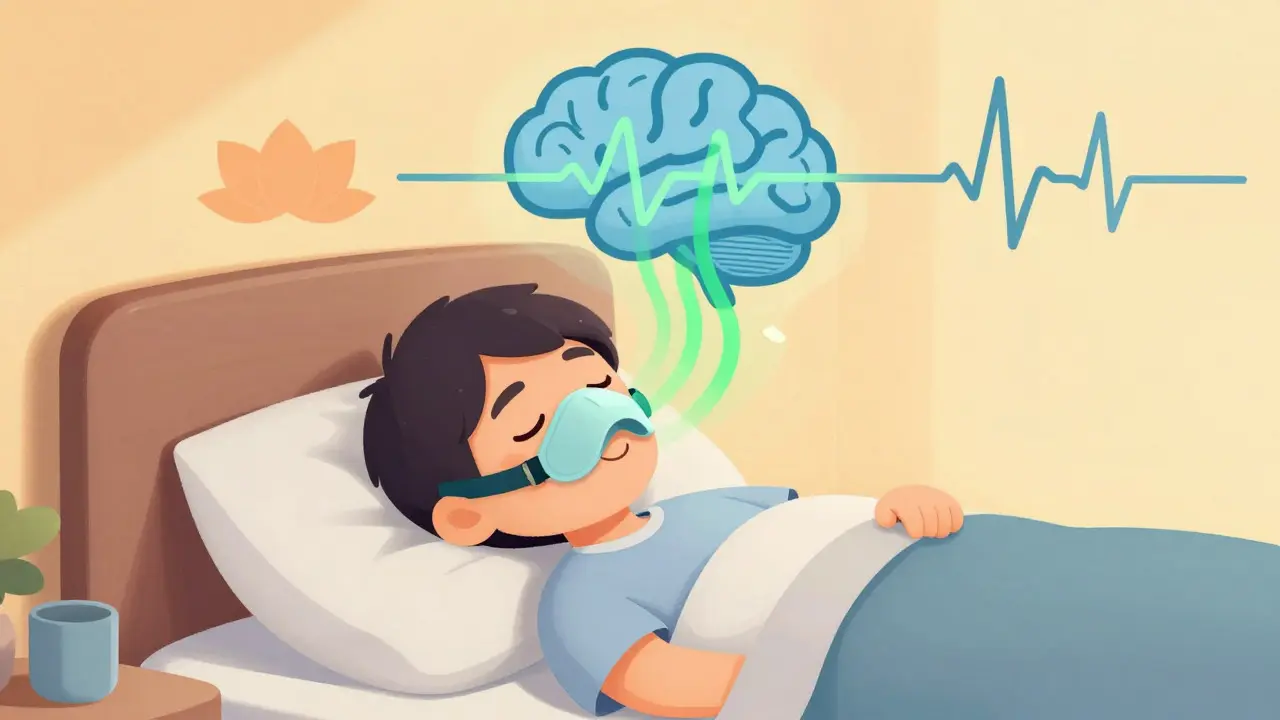
The landscape of COMISA treatment is evolving rapidly. Newer medications, such as orexin antagonists like suvorexant, have shown promise. FDA approval data suggests that when combined with CPAP, these drugs can achieve higher insomnia remission rates compared to CPAP alone. Additionally, adaptive CPAP devices are being developed to adjust pressure based on sleep stages, potentially reducing the discomfort that contributes to insomnia.
Telehealth is also expanding access. With specialized sleep psychologists being scarce in many areas, remote CBT-I sessions are becoming a viable alternative. Insurance coverage is improving as well, with new billing codes recognizing integrated treatment for comorbid sleep disorders. As healthcare systems recognize the cost savings of preventing complications from untreated COMISA, more clinics are likely to adopt multidisciplinary models in the coming years.
Frequently Asked Questions
Is COMISA a separate disease from OSA and insomnia?
Yes, clinically it is treated as a distinct entity. While it consists of two underlying conditions, the interaction between them creates unique challenges that require a specific, integrated treatment protocol rather than addressing each condition in isolation.
Should I stop CPAP if it makes my insomnia worse?
Generally, no. Stopping CPAP leaves your OSA untreated, which can lead to serious cardiovascular risks. Instead, work with your doctor to add CBT-I or adjust your CPAP settings (like pressure ramp-up) to make the device more tolerable. Quitting often makes the underlying sleep fragmentation worse in the long run.
How long does it take to see results from combined therapy?
Most patients begin noticing improvements in sleep continuity within 4 to 6 weeks of starting CBT-I alongside CPAP. Full remission of insomnia symptoms may take longer, but consistent adherence to both therapies is critical for sustained benefits.
Can digital apps replace in-person CBT-I for COMISA?
For mild cases, digital CBT-I can be effective. However, for moderate-to-severe COMISA, human-guided therapy is often superior because it allows for real-time adjustments to address CPAP-specific anxieties and complex sleep patterns that algorithms might miss.
What role does stress play in COMISA?
High levels of stress, anxiety, or depression significantly reduce the effectiveness of CBT-I. Patients with high anxiety scores show lower improvement rates. Therefore, managing overall mental health through therapy or stress-reduction techniques is a crucial component of successful COMISA management.