Antibiotic & Dairy Timing Planner
Pick your antibiotic, set the dose time, and get a clear, personalized plan for spacing out dairy and calcium.
Take your dose at least 2 hours before, or wait 4 hours after, any dairy or calcium source.
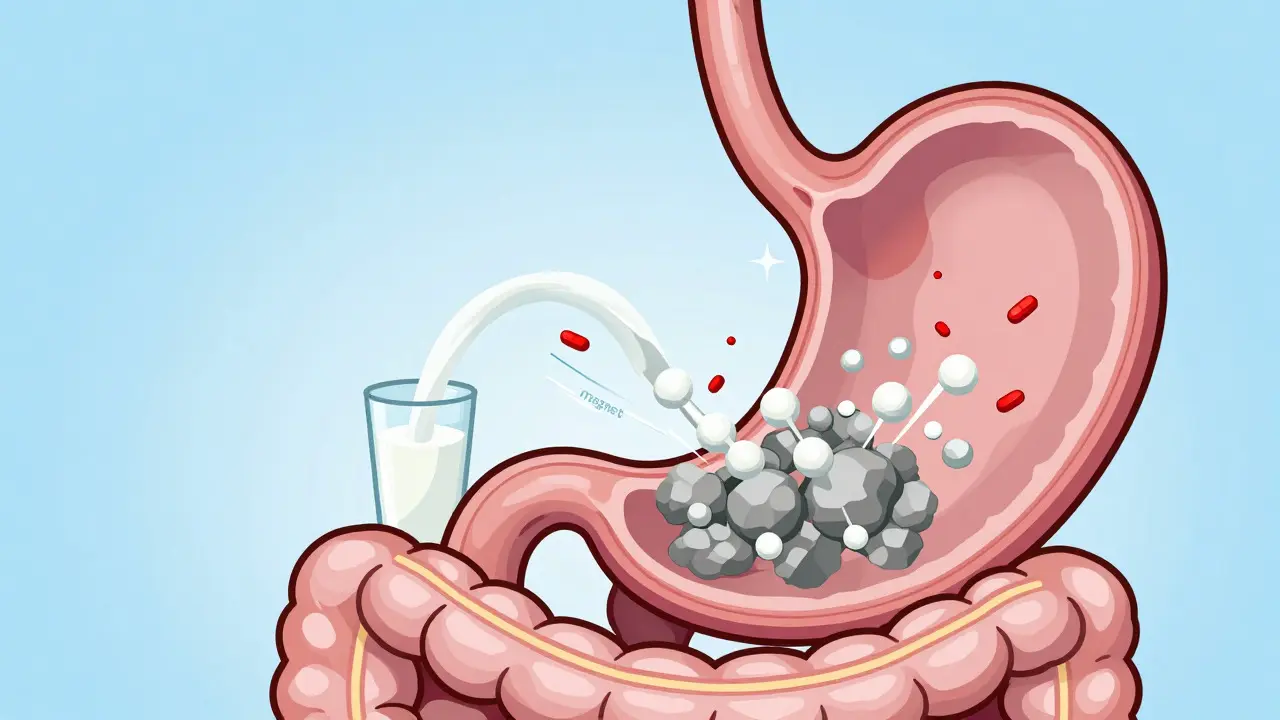
Ever wondered why your pharmacist warns you not to drink milk with certain antibiotics? It’s not just a random rule. For some common drugs, a glass of milk can actually stop the medicine from working. This happens because minerals in dairy bind to the antibiotic in your stomach, creating a chunky complex that your body can’t absorb. The result? You might take the pill, but your bloodstream gets far less than intended.
This isn't a minor detail. If the drug levels stay too low, the infection might not clear up. Worse, surviving bacteria can adapt and become resistant, making future treatments harder. Understanding this drug absorption issue is crucial for anyone prescribed specific classes of antibiotics. Let's break down which drugs are affected, how bad the impact really is, and exactly how to time your doses to get the full benefit.
The Core Problem: Chelation in Your Gut
To understand the risk, you need to know what’s happening chemically. The main culprit is a process called chelation. Calcium ions in dairy products grab onto specific parts of certain antibiotic molecules. Think of it like a magnet sticking to metal. Once they stick together, they form a large, insoluble complex. Your intestinal walls can’t pass these big clumps into the blood. So, instead of fighting the infection, the drug just sits there or passes through your system unused.
This mechanism was first documented in the 1950s when tetracycline antibiotics were introduced. Researchers quickly noticed that patients who drank milk had lower drug levels in their blood. Today, we know this affects two major groups of antibiotics most severely: tetracyclines and fluoroquinolones. Beta-lactams, like penicillins, have a more mixed bag, but generally, they are safer to take with food. Knowing which group your prescription belongs to is the first step in avoiding treatment failure.
Which Antibiotics Are Most at Risk?
Not all antibiotics play nice with dairy. Some are highly sensitive, while others barely care. Here is how the major classes stack up:
- Tetracyclines (Tetracycline, Doxycycline, Minocycline): These are the most vulnerable. Calcium binds tightly to their four-ring structure. Studies show bioavailability can drop by 20% to 75% if taken with milk. Yogurt is even worse due to its higher calcium density and acidity.
- Fluoroquinolones (Ciprofloxacin, Levofloxacin): These also suffer significant absorption loss. Ciprofloxacin plasma concentrations can drop by 70% with milk and up to 92% with yogurt. Even a small amount of dairy can drastically reduce the peak drug level in your blood.
- Beta-Lactams (Amoxicillin, Cephalosporins): This group is more variable. Amoxicillin is generally safe to take with dairy. However, some older cephalosporins like cefalexin can see absorption drops of over 40%. Always check the label for your specific drug.
If you are taking doxycycline or ciprofloxacin, treat dairy as a strict no-no during the critical window. If you are on amoxicillin, you likely don’t need to change your breakfast routine.
How Much Does Dairy Actually Reduce Absorption?
The numbers might sound alarming, but they are backed by clinical data. When researchers measured drug levels in the blood after co-administration with dairy, the results were stark. For tetracycline, drinking a standard cup of milk reduced the area under the concentration-time curve (AUC) significantly. In simple terms, your body received much less of the active ingredient over the entire dosing period.
Ciprofloxacin showed similar patterns. One study found that taking it with milk lowered peak plasma concentration by about 30-36%, while yogurt caused an even steeper drop. Why does yogurt hit harder? It has a lower pH and often contains more concentrated calcium per serving than liquid milk. This creates a more efficient environment for chelation to occur. Even hard cheeses, which seem dry, contain enough calcium to interfere if eaten close to the dose.
The threshold for trouble is surprisingly low. Double-blind trials suggest that around 200 mg of calcium-which is roughly equivalent to six ounces of milk-is enough to cause a clinically significant reduction in absorption for sensitive drugs. This means even a splash of milk in coffee or a slice of cheese could matter if timed incorrectly.
The Golden Rule: Timing Your Doses
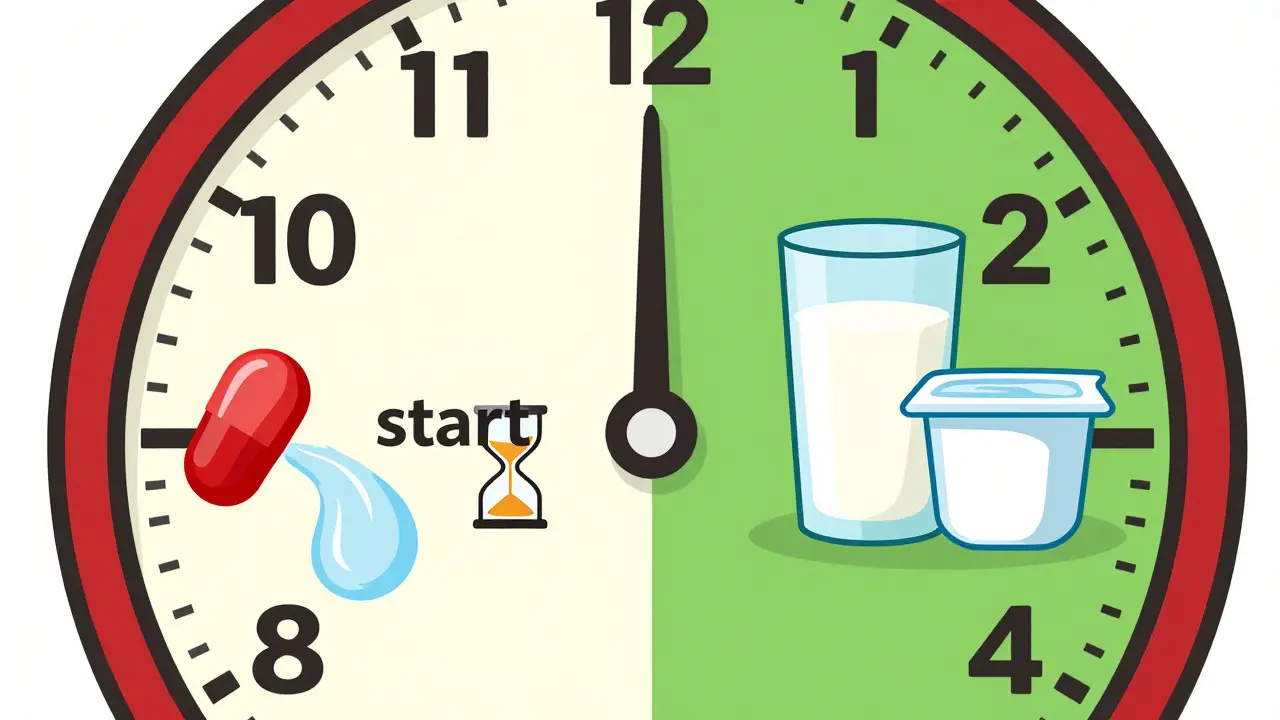
So, how do you manage this? The answer lies in separation. You don’t necessarily have to give up dairy for the whole course, but you must space out the consumption. The general guideline established by pharmacokinetic studies is to separate the antibiotic and dairy by at least two hours before or four hours after the dose.
- Take the antibiotic first: Swallow the pill with a full glass of water on an empty stomach (if required by the specific drug label).
- Wait two hours: This allows the drug to leave the stomach and start absorbing in the upper intestine before any calcium arrives.
- Or wait four hours after: If you’ve already had dairy, wait four hours before taking the antibiotic to ensure the calcium has cleared the upper GI tract.
For tetracyclines, the stricter end of this range is recommended. Many guidelines suggest waiting four hours after dairy or taking the drug two hours before any dairy-containing meal. Fluoroquinolones typically require a minimum two-hour gap. This buffer zone ensures the drug and the mineral aren’t meeting in the same spot at the same time.
Common Myths and Hidden Traps
One big misconception is that only obvious dairy products count. People often forget that "dairy-free" doesn’t always mean "calcium-free." Calcium-fortified orange juice, almond milk, and whey protein shakes contain high levels of calcium that can trigger the same chelation effect. If you are taking a sensitive antibiotic, treat fortified plant milks and supplements with the same caution as cow’s milk.
Another trap is nausea. Tetracyclines can upset the stomach. Many patients instinctively reach for milk or yogurt to soothe the discomfort. While this feels good, it can undermine the treatment. If nausea is severe, talk to your doctor. They might switch you to a different antibiotic or recommend a modified-release formulation like doxycycline monohydrate (Oracea), which is designed to be taken with food, including dairy, without losing efficacy.
Also, don’t ignore antacids. Many contain calcium carbonate. Taking an antacid for heartburn at the same time as your antibiotic can mimic the dairy interaction. Space these out too, ideally following the same 2-4 hour rule.
Practical Strategies for Daily Life
Living with these timing rules can feel restrictive, especially if you have a busy schedule. Here are some practical tips to make it easier:
- Use a visual timer: Set a reminder on your phone for when you can next have dairy. A simple "No Milk Until 11 AM" note can prevent accidental slips.
- Plan your meals: If you take your antibiotic at 8 AM, plan a dairy-free breakfast (like eggs and toast) and save your coffee with milk for 10 AM or later.
- Check your supplement list: Review any vitamins or minerals you take. If they contain calcium, iron, or zinc, they may also interact. Space them out similarly.
- Ask your pharmacist: Not all formulations are created equal. Ask specifically if your brand requires empty-stomach administration or if it’s safe with food.
For those with lactose intolerance, this might actually be a silver lining. Since you naturally consume less dairy, you’re less likely to accidentally breach the timing window. However, if you use lactase enzymes to tolerate dairy, remember that the calcium is still present and can still bind to the drug.
Why Getting It Wrong Matters More Than You Think
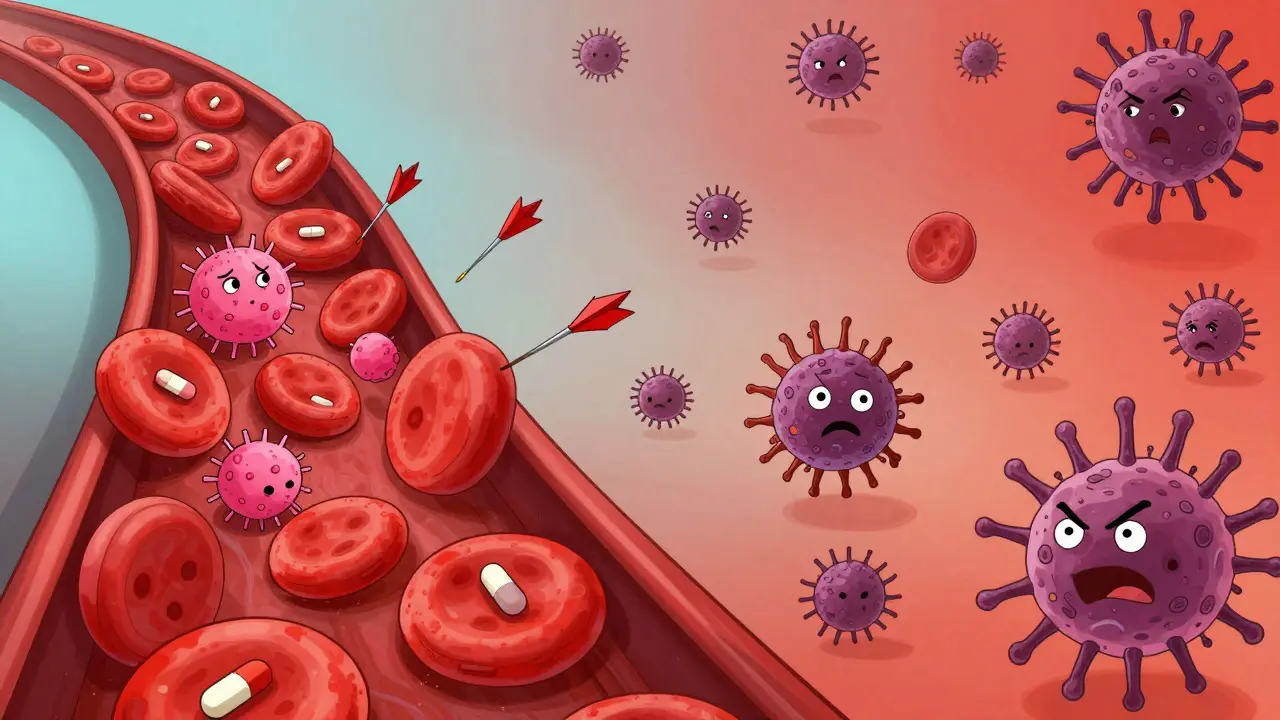
It’s easy to brush off a 20% drop in absorption as a minor inconvenience. But in the context of bacterial infections, subtherapeutic levels are dangerous. If the drug concentration stays below the minimum inhibitory concentration, bacteria aren’t killed; they’re just stressed. Stressed bacteria are prime candidates for developing resistance. Over time, this contributes to the global antimicrobial resistance crisis.
For serious infections, like Rocky Mountain spotted fever treated with doxycycline, inadequate absorption can lead to treatment failure and potentially fatal outcomes. Even for milder infections, incomplete treatment can lead to relapse, meaning you have to restart the course, extend the duration, or switch to a stronger, more expensive drug. Proper timing is one of the simplest ways to protect both your health and the effectiveness of modern medicine.
Can I take amoxicillin with milk?
Yes, generally speaking. Amoxicillin is a beta-lactam antibiotic and is not significantly affected by calcium in dairy products. You can usually take it with food or milk to help with stomach upset. However, always check the specific instructions on your prescription label, as individual patient factors can vary.
Does yogurt affect doxycycline absorption?
Yes, yogurt can significantly reduce doxycycline absorption. Because yogurt has a higher calcium density and lower pH than milk, it often causes greater inhibition. To ensure full efficacy, wait at least 2 hours before or 4 hours after consuming yogurt if you are taking standard doxycycline capsules or tablets.
What is the best time to take tetracycline antibiotics?
The best time is on an empty stomach, at least 1 hour before or 2 hours after eating. Specifically regarding dairy, take the antibiotic 2 hours before or 4 hours after any calcium-rich foods or drinks. This maximizes the window for proper absorption in the gastrointestinal tract.
Do calcium-fortified plant milks interact with antibiotics?
Yes. If the plant milk is fortified with calcium, it poses the same risk as cow's milk for sensitive antibiotics like tetracyclines and fluoroquinolones. The interaction is based on the calcium content, not the source of the milk. Check the nutrition label to confirm the calcium amount.
What should I do if I accidentally took my antibiotic with milk?
Don’t panic. One missed or reduced-absorption dose rarely ruins an entire course of treatment. Just continue with your regular schedule, ensuring the next dose is taken according to the timing rules. If this happens frequently, speak to your pharmacist about alternative formulations or scheduling adjustments.